Data, Reports & Resources

NRDC is a leader and trusted source in environmental policy and research. 

From reports to issue briefs, we ensure accountability through peer review led by our Science Office, which provides data and scientific analysis that help shape and guide NRDC’s policies and positions. We also offer a range of other resources, such as 101 guides and consumer-focused scorecards to increase access to knowledge about how everyone can be a catalyst for change. 

Featured Data, Reports & Resources

Viewing 101 - 120 of 401
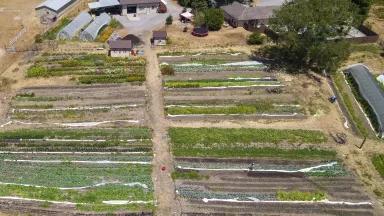
Agricultura regenerativa 101

GuideUnited StatesNRDC
El NRDC entrevistó a más de 100 agricultores y ganaderos que construyen suelos saludables y desarrollan comunidades resistentes al clima en todo el país. Esta guía incorpora mucho gran parte de lo que aprendimos.

Regenerative Agriculture 101

GuideUnited StatesNRDC
NRDC interviewed more than 100 farmers and ranchers who are building healthy soil and growing climate-resilient communities across the country. This guide incorporates much of what we learned.

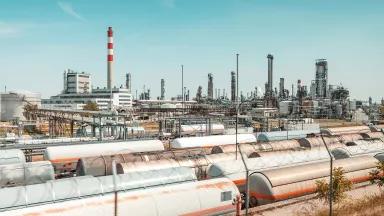
Natural Gas 101

GuideUnited StatesBrian Palmer

An overview of gas, pollution, and climate change.

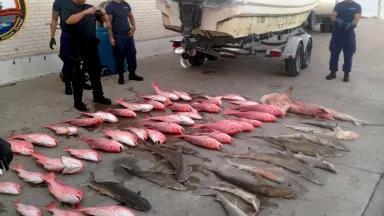
Unethical Seafood: How U.S. Leadership Can Curb Illegal Fishing

Fact SheetUnited States, InternationalDillon Hanson-Ahumada, Molly Masterton, Irene Gutierrez, Sandy Aylesworth
Illegal, unreported, and unregulated (IUU) fishing is a major driver of harmful overfishing. IUU fishing depletes fish populations, harms marine habitats, and endangers sensitive species, and is also linked to transnational crimes, including human trafficking, money laundering, murder at sea…

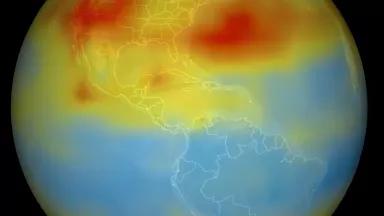
What Is Climate Change?

GuideUnited States, InternationalJeff Turrentine, Melissa Denchak

The lowdown on the earth’s central environmental threat.

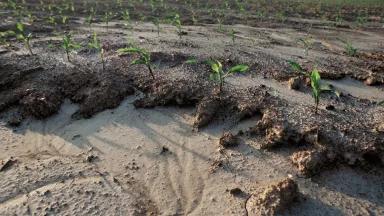
Soil Erosion 101

GuideKeith Mulvihill

The loss of topsoil to wind, rain, and other forces is a natural process, but when intensified by human activity, it can have negative environmental, societal, and economic impacts.

Why the World Must Commit to Protecting 30 Percent of the Planet (30x30)

Fact SheetUnited States, InternationalLauren Kubiak, Zak Smith, Lisa Speer, Brendan Guy, Jennifer Skene, Paul Todd
Nature is in crisis. A million species worldwide currently face extinction, many within decades, and human actions are causing ecosystems to crumble on land and on sea. We must take immediate actions to protect the natural world—and in doing so…

Transportation Solutions for the 21st Century

Fact SheetUnited StatesStephanie Gidigbi Jenkins
The transportation sector is the largest contributor of greenhouse gas emissions in the United States. NRDC has identified several transportation policy solutions that will improve our climate while also benefiting our communities in an equitable way.

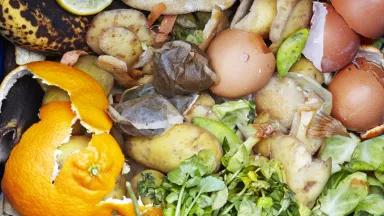
Composting 101

GuideUnited StatesShelia Hu
Recycling food and other organic waste into compost provides a range of environmental benefits, including improving soil health, reducing greenhouse gas emissions, recycling nutrients, and mitigating the impact of droughts.

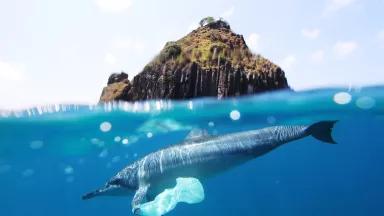
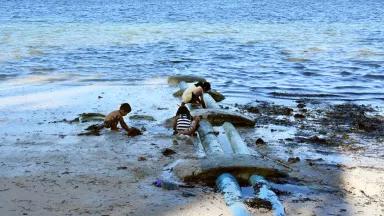
Beach Pollution 101

GuideUnited States, InternationalShelia Hu

Litter, sewage, plastic, and other pollutants do more than just ruin the beauty of the beach. They are closing down coastal areas, destroying marine life, and making people seriously sick.

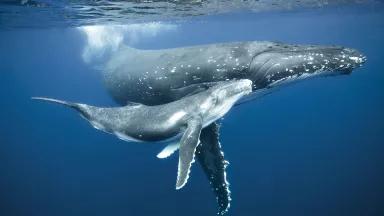
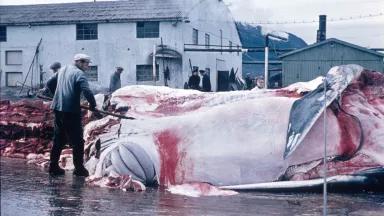
Commercial Whaling 101

GuideInternational, United StatesLauren Evans

Despite an international ban on commercial whaling since 1986, the animals are still being hunted and killed across the world’s oceans, with devastating impacts on global populations.

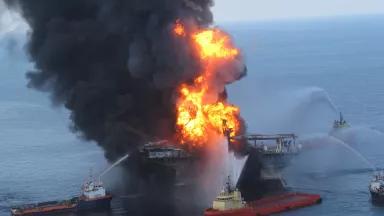
Offshore Drilling: Putting the Nation’s Coastline at Risk

Fact SheetUnited States, East, WestJacob Eisenberg, Alexandra Adams
We must protect our coasts and push for clean, renewable and efficient energy that will protect our lifegiving oceans, the communities that rely on them, and our climate by helping us transition off oil.

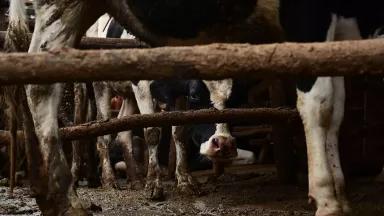
Industrial Agriculture 101

GuideUnited StatesNRDC

Giant farms—whether growing crops or animals—often rely heavily on chemicals and produce waste that pollutes the water and air. As a result, the system we’ve designed to feed the planet also takes a serious toll on its health.