

Tim Griffith
Buildings
What's at stake
Homes and residential buildings are a big piece of the puzzle for addressing climate change and carbon emissions. Buildings are responsible for nearly a third of U.S. greenhouse gas emissions. And within our homes, 70 percent of energy goes to heating and cooling, plus water heating—all basics we cannot do without, particularly as extreme weather becomes more intense and more frequent. It’s clear that the transition to efficient, electric homes must accelerate and that the investments must be worthwhile. After all, home heating systems have significant lifespans.
The case for more efficient housing is knitting together a broad coalition of stakeholders that are dedicated to addressing the national housing shortage and rising costs of living. There’s no silver bullet for fixing these intertwined challenges, but making cleaner, electrified homes an affordable, more accessible choice must be part of the solution.
How NRDC is making a difference
NRDC’s buildings team is working to ensure homes and buildings are integrated into the energy system to support renewable energy supply and flexible demands. To that end, we are guiding state leaders in shaping policies that channel public and utility spending for residential space and water heating infrastructure toward efficient electric systems instead of fossil fuel systems. And our clean buildings advocates are making the case that instead of extending or making costly repairs to household gas lines and related infrastructure, utilities and states should help consumers pay for efficiency upgrades and electric heat pumps. We seek to accelerate a market that’s already growing. As incentives propel heat pump installations, the resulting cost reductions will broaden participation and stand to benefit millions of residents across the country.
Latest expert blogs

The Future of Buildings in Illinois Is Electric

Building Codes, Buy Clean, and Beyond: An Embodied Carbon State Policy Playbook

More Housing or More Sustainable Housing? It’s a False Choice—Let’s Do Both!
Latest news & commentary
Decarbonization: Why We Must Electrify Everything Even Before the Grid Is Fully Green

Your Guide to the Latest Heat Pump Rebates and Incentives
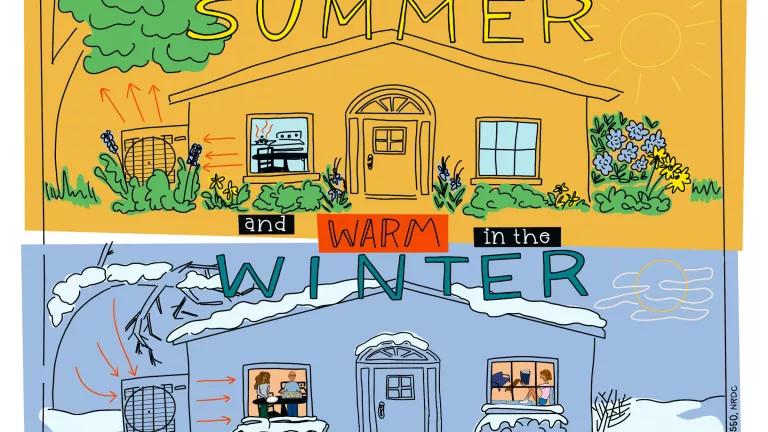
What Are Heat Pump Air Conditioners?
Latest data, reports & resources

California’s 2026 Legislative Priorities: End-of-Session Wrap-Up
A Pathway to Pollution-Free Buildings 2026 Report
How to Build an Affordable Energy Future
Latest Court Battles
