
Learn About the Climate Crisis
Climate change is a reality, and we’re experiencing its impacts now.
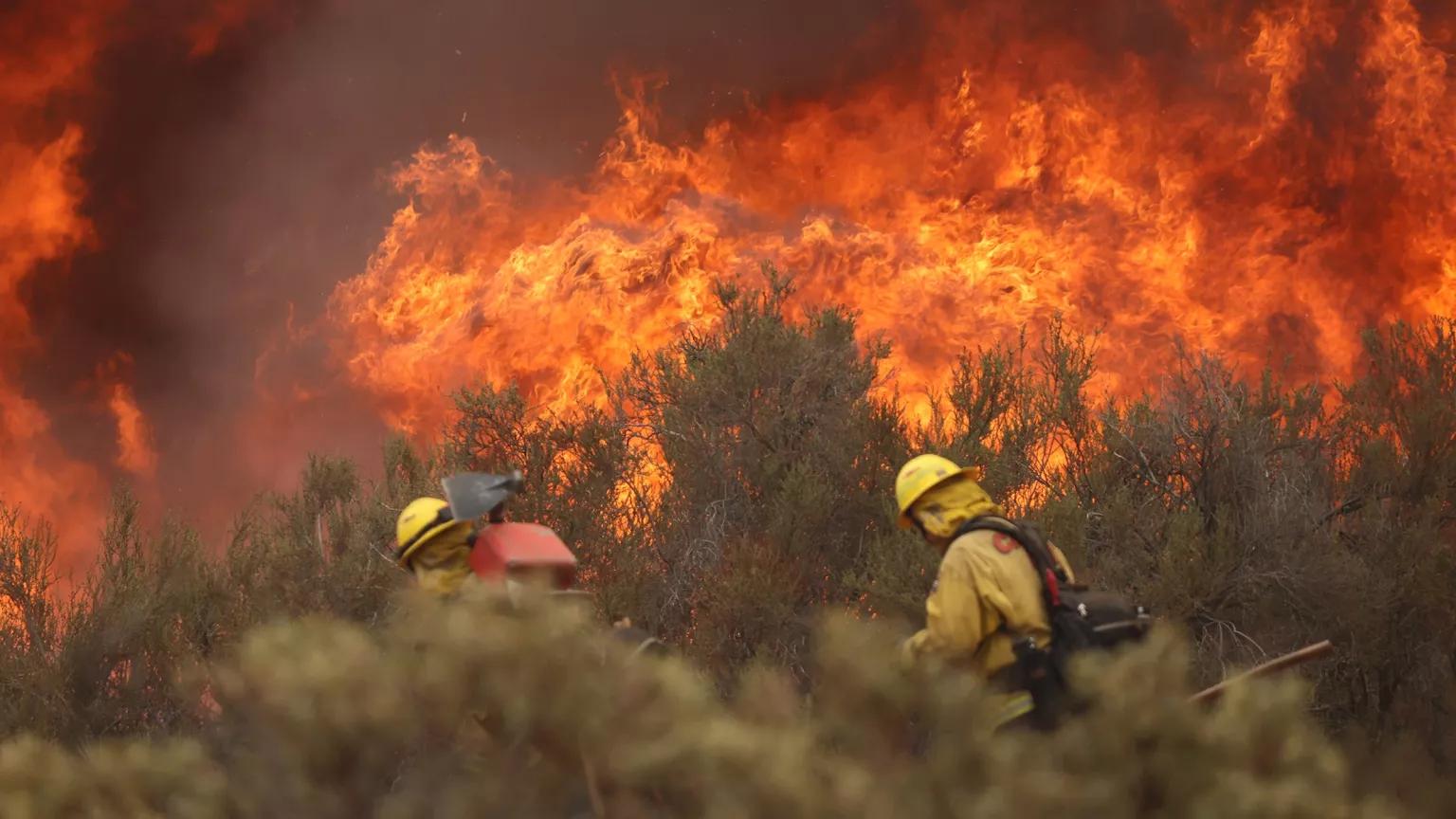
The Fairview Fire in California, September 2022
California Department of Forestry and Fire Protection (CAL FIRE)
The decade between 2010 and 2019 was hotter than any other decade in the previous 1,300 years. Increased temperatures bring more frequent and more intense weather-related disasters.
Humans are the lead drivers of climate change, but the power to reverse this worrying trend lies with us as well. To avoid the most dangerous impacts, we must act immediately to limit warming to 1.5 degrees Celsius by the end of the century. We already have the tools we need to meet this goal and improve people’s lives—through new clean energy jobs, better health, and long-overdue justice for communities of color that are already the hardest hit by climate change.
Latest News
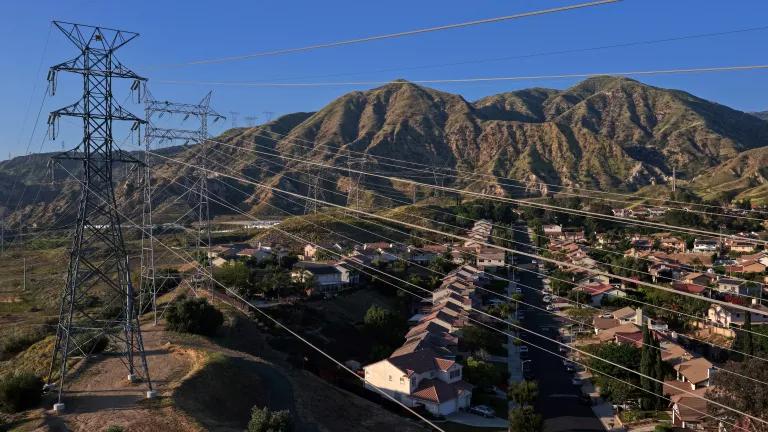
Market Boundaries Matter: Western Electricity Markets Can Better Share Affordable Power

Hard Questions About the Permitting Bill

The High Price of Diesel Pollution
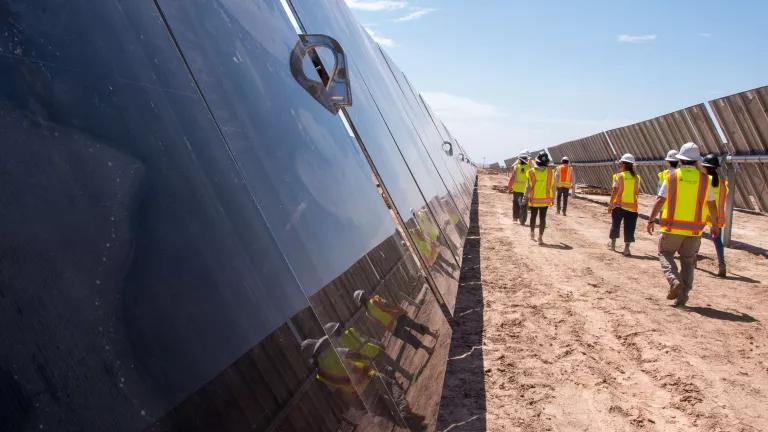
Renewable Energy on Federal Lands Brings New State and County Revenues

Getting Off the Gas Price Rollercoaster
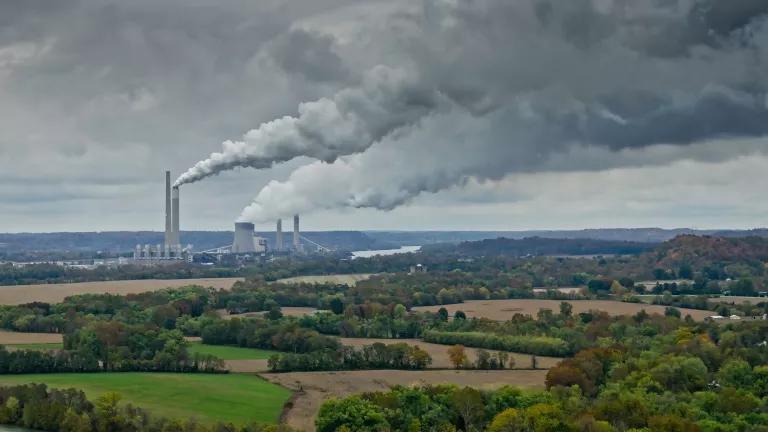
The EPA Cooks the Books in Trying to Cook the Planet
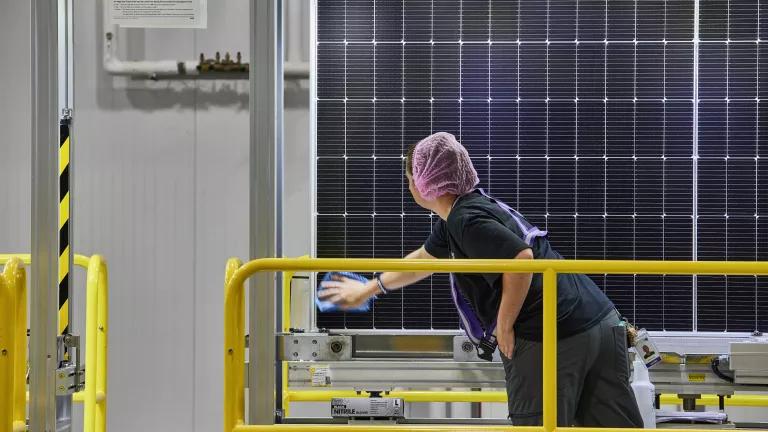
Uncovering the Secret Documents Behind the Trump Administration's Clean Manufacturing Cancellations

LNG in the Aquarium of the World: A Direct, Existential, and Unacceptable Risk

Food Waste Diversion Can Deliver Billions in Economic Benefits

Building Codes, Buy Clean, and Beyond: An Embodied Carbon State Policy Playbook
What Is Climate Change?
Climate change is generally defined as a significant variation of average weather conditions—say, conditions becoming warmer, wetter, or drier—over several decades or more. It’s the longer-term trend that differentiates climate change from natural weather variability.
Causes
The mechanics of the earth’s climate system are simple. When energy from the sun is reflected off the earth and back into space (mostly by clouds and ice), or when the earth’s atmosphere releases energy, the planet cools. When the earth absorbs the sun’s energy, or when atmospheric gases prevent heat released by the earth from radiating into space (the greenhouse effect), the planet warms. A variety of factors, both natural and human, can influence the earth’s climate system.
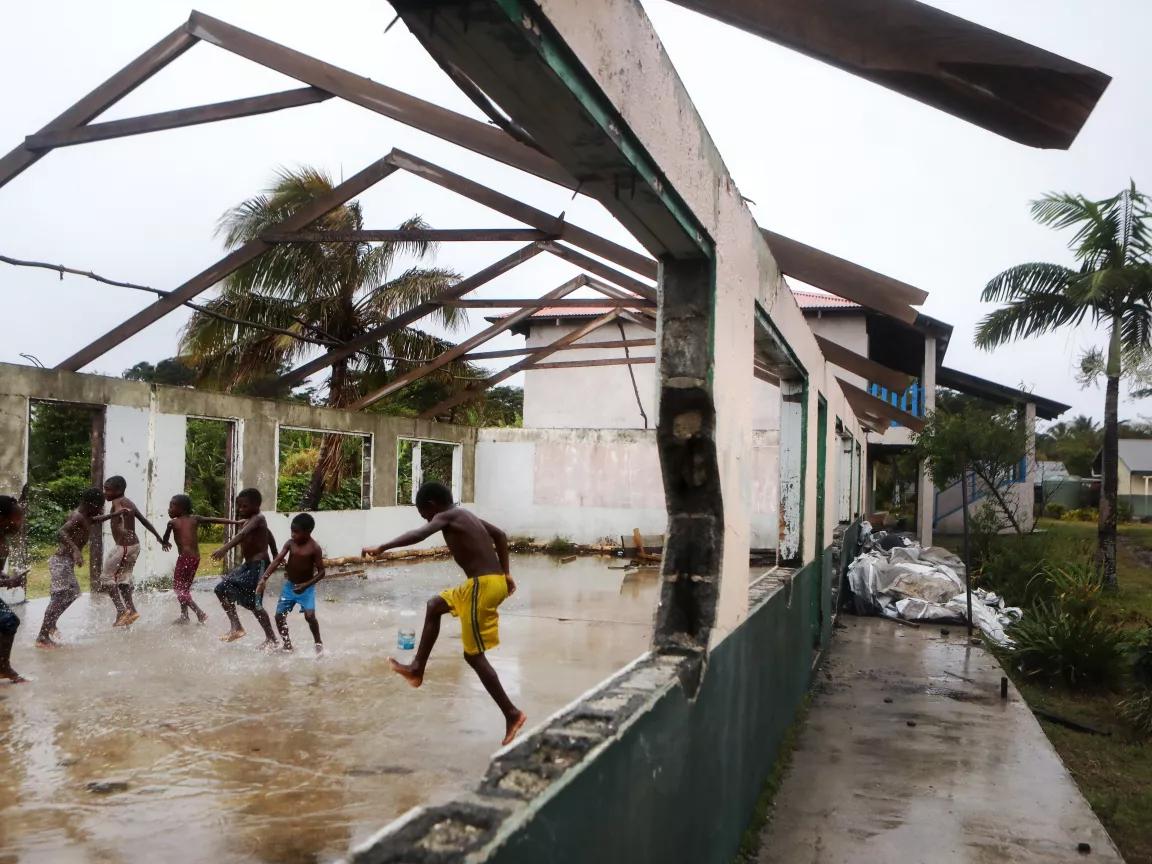
A school damaged by Cyclone Pam in Tanna, Vanuatu, December 2019
Mario Tama/Getty Images
Effects
Climate change affects everything, from the places we live to the water we drink to the air we breathe. And although it affects everyone in some way, its most negative impacts are disproportionately felt by women, children, people of color, Indigenous communities, and the economically marginalized. Climate change is a human rights issue.
Solutions
We now know exactly what it will take to win the fight against climate change, and we’re making measurable, meaningful progress. Game-changing developments in clean energy, electric vehicle technology, and energy efficiency are emerging every single day.
Take Action
Tackling our climate crisis depends on the efforts of everyone—nations, communities, companies, and individuals. Here are some ways that you can make a difference:
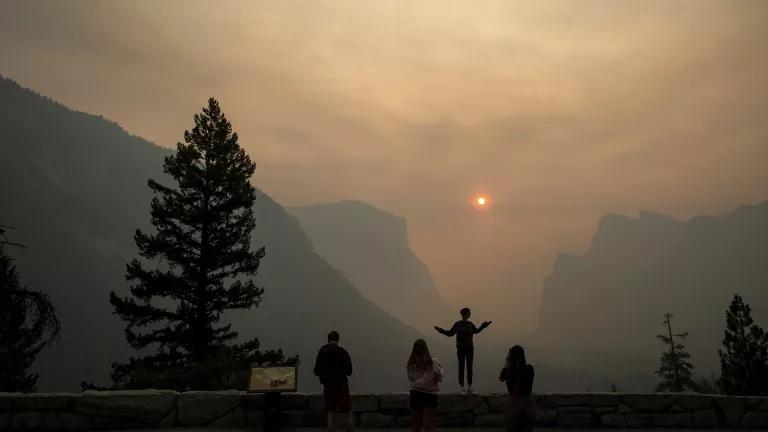
How to Stay Safe From Wildfire Smoke
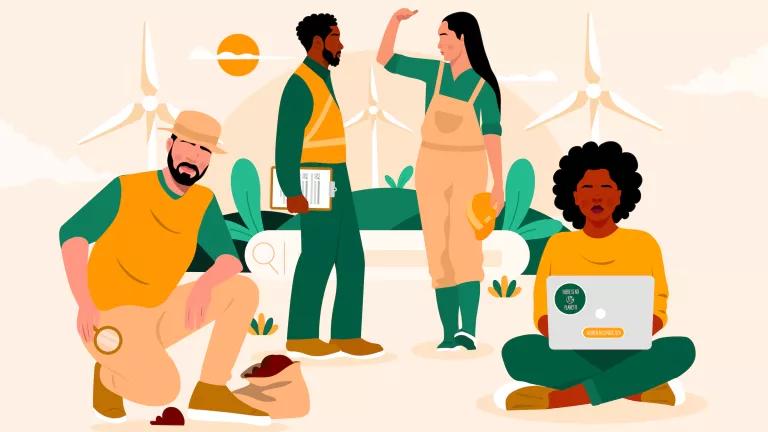
Where to Start If You Want a Career in the Climate Space

Your Guide to the Latest Heat Pump Rebates and Incentives

How to Ditch the Biggest Fossil Fuel Offenders in Your Life

How to Get More Out of Your Kitchen Stash and Minimize Your Trash

How to Make Your Community More Resilient to Climate Disasters

A Consumer Guide to the Inflation Reduction Act

How to Find Relief During Summer Heat Waves in the City
7 Ways to Flood-Proof Your House
