
IPCC Climate Change Reports: Why They Matter to Everyone on the Planet
The United Nations reports warn that dire impacts of the climate crisis will arrive sooner and hit harder than many expect. Here’s why we should follow their advice, and how the reduction of each ton of climate pollution makes a difference.
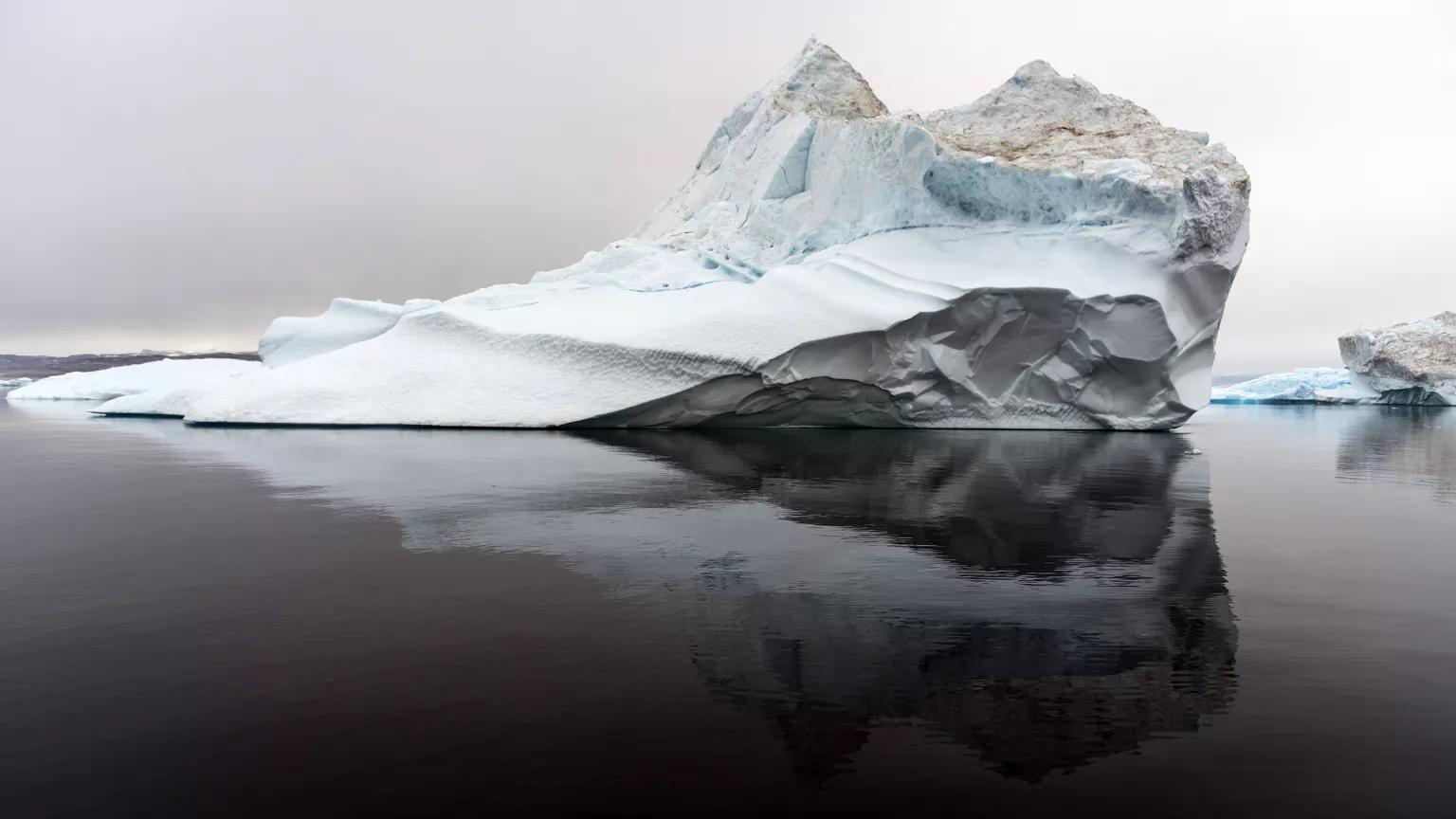
Ice melt in East Greenland

You’d be forgiven for losing track of all the reports on climate change. There are a lot—each one seemingly more dire than the last. But perhaps none are more important than those released by the United Nations’ Intergovernmental Panel on Climate Change (IPCC), a group made up of thousands of unpaid, volunteer scientists from around the world. In recent years, the IPCC’s reports have sounded the alarm with increasing clarity: We must cut emissions sharply and immediately to avoid the most catastrophic effects of a warming planet. And most important, they tell us how to cut emissions and bolster communities’ resilience to climate impacts.
Here’s a look at how the IPCC came to be the leading authority on climate, the panel’s latest findings—and why it’s so critical that all leaders and citizens pay attention.
What is the IPCC?
The IPCC stands for the Intergovernmental Panel on Climate Change, and it’s the leading scientific authority on all things related to climate change. Established in 1988 as part of the United Nations Environment Programme (UNEP) and World Meteorological Organization (WMO), the panel aims to inform policymakers around the world on the risks of fossil fuel–driven climate change so they can take appropriate action. Currently, 195 countries participate as members, determining the overall direction of the IPCC’s work.
At the time of the IPCC’s founding, many policymakers were just starting to grapple with a phenomenon known as the “greenhouse effect” (though the concept itself has been known to scientists for more than a century). Today, 35 years later, most school-age children are familiar with the basic ideas behind our climate crisis: Global warming occurs when greenhouse gases, most notably carbon dioxide (CO2), collect in the atmosphere. These pollutants, which can stick around and pile up for decades, prevent the sunlight and solar radiation that bounce off the earth’s surface from escaping back into space, instead trapping the heat and warming the planet.
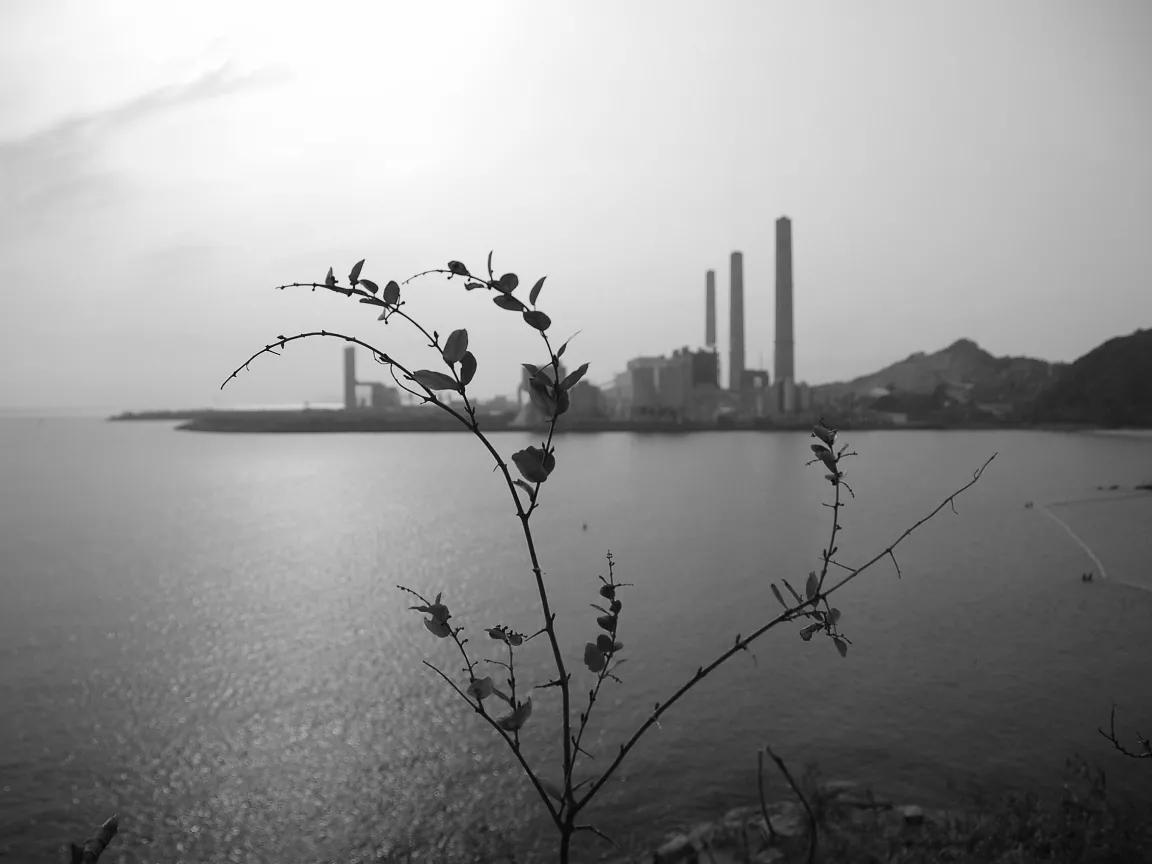
Lamma Island Power Station, Hong Kong
Today, the IPCC says that the earth has already warmed about 1.1 degrees Celsius (1.8 degrees Fahrenheit) above preindustrial levels. The climate crisis, once talked about in the future tense, has already arrived. With the climate policies currently in place, the world is on track to warm 2.7 degrees Celsius (5 degrees Fahrenheit) by the turn of the century. The IPCC is central to our efforts to avoid this outcome, providing accurate analysis that all policymakers can use to take swift, effective action to fend off the worst impacts.
What does the IPCC do?
The IPCC has a small staff to support its work, but the bulk of its authority comes from the thousands of highly credentialed volunteer scientists from around the world who participate as authors or reviewers. The panel does not conduct its own science. Instead, it reviews and synthesizes the latest climate change research (thousands of published, peer-reviewed studies) into its big-picture assessments, which come out roughly every six years, in addition to special reports that are published more frequently. While the reports steer clear of being overly policy-prescriptive, they are intentionally “policy-relevant,” meaning their conclusions can easily be translated into real-world policy outcomes.
The IPCC’s work is funded by voluntary contributions from U.N. member countries (with the United States traditionally paying the largest share), as well as from intergovernmental organizations like the UNEP, the WMO, and the U.N. Framework Convention on Climate Change (UNFCCC), which are also funded through voluntary contributions.
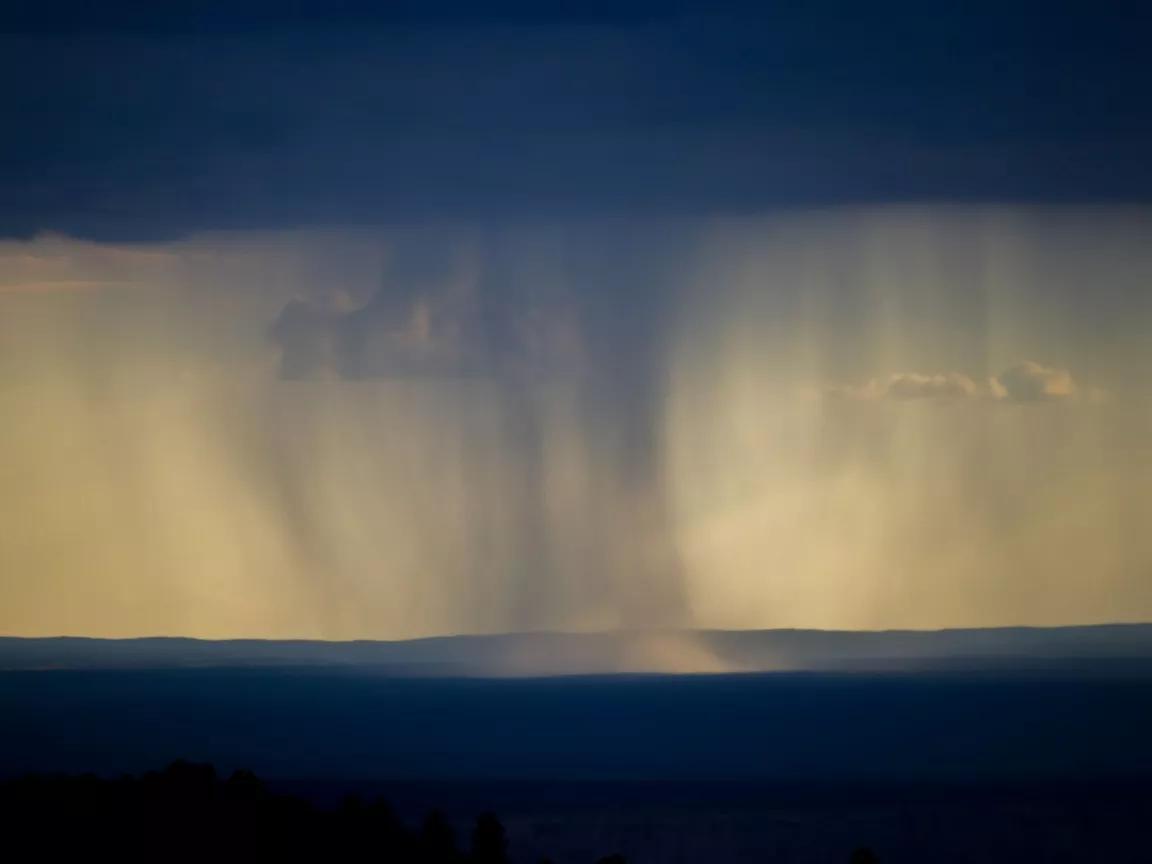
Storms approach the North Rim of Grand Canyon National Park, Arizona.
IPCC report history
The IPCC has been sounding the alarm on climate change for decades, putting out regular, comprehensive assessments that summarize the most current research on our warming planet. Periodically, it also issues special reports on topics like land use, the ocean and cryosphere (frozen portions of the earth), and the consequences of 1.5 degrees Celsius (2.7 degrees Fahrenheit) of warming.
The IPCC’s warnings began in 1990 with its First Assessment Report, which successfully predicted the pace of global warming, even without the highly complex computer models of today. The Second Assessment, published in 1995, expressed greater certainty that climate change was largely caused by human activities. In 2001, the Third Assessment warned that the temperature increases would become worse than previously feared if we didn’t reduce our carbon emissions. Meanwhile, the world ramped up fossil fuel production and consumption.
By the time of its Fourth Assessment, in 2007, the IPCC was using words like unequivocal to describe the consensus that humans were the main cause of warming. In 2014, the Fifth Assessment dealt the world a hard truth: Greenhouse gas emissions were higher than ever, causing an unprecedented acceleration of climate change’s impacts.
And in the Sixth Assessment—which was released in three main parts, beginning in 2021, and concluded with a final synthesis report in 2023—the panel warned that the world is reducing climate pollution far too slowly, risking severe damages, costs, and upheaval. Even if we sharply reduced emissions today, it concluded that decades’ more warming should be expected. Adaptation is essential, particularly for the world’s most vulnerable populations.
These report releases often coincide with and help shape critical moments of international climate collaboration. The First Assessment Report supported the creation of the UNFCCC, which has become a foundation for coordinated political action. The Second Assessment provided key input to the 1997 Kyoto Protocol, a historic agreement that put binding emissions targets on developed countries for the first time. The Fifth Assessment informed 2015’s Paris Agreement, the landmark global accord that has since been adopted by every nation to address climate change. And the urgent message—“the survival guide for humanity”—in the Sixth Assessment synthesis report should inform the decisions made by the world leaders and climate experts who will gather at the next Conference of the Parties to the UNFCCC, COP28, scheduled for December 2023 in Dubai.
Yet despite three decades of warnings by the IPCC—and sporadic displays of global coordination—leaders have done far too little, far too slowly to stop further warming. The concentration of carbon dioxide in the atmosphere is now the highest ever recorded when looking back two million years. As the IPCC’s latest report shows, the need for deep and immediate action is clearer than ever. Every ton of emissions reduction matters. Every investment in building resilience matters.
The latest IPCC report on climate change
When was the last IPCC report?
Most recently, in March 2023, the IPCC released an overarching synthesis report, integrating the findings from its Sixth Assessment Report cycle and serving as a “how-to guide to defuse the climate time bomb,” according to U.N. Secretary General António Guterres. Leading up to this final publication, the Sixth Assessment Report had included a three-part series—each written by a corresponding working group. In August 2021, the first part laid out the current, best-available physical science on climate change. The second part, released in February 2022, covered impacts, adaptation, and vulnerability to climate change, for both ecosystems and people. And the third part evaluated mitigating climate change and was released in April 2022.
How many scientists contributed to the latest IPCC report?
Across all three working groups who contributed to the Sixth Assessment Report, 782 scientists (and hundreds more contributing authors) analyzed more than 66,000 peer-reviewed studies. The Sixth Assessment Synthesis Report included 30 core authors and 9 editors.
What are the important findings of the current IPCC report?
Widespread, rapid, and intensifying—those are the words used by the IPCC to describe climate change in the Sixth Assessment Report, the most comprehensive look at present and future climate impacts to date. Its conclusions, based on the latest generation of climate models, are clear: “There is a rapidly closing window of opportunity to secure a livable and sustainable future for all,” the most recent synthesis report says. With very high confidence, the choices and actions taken in this decade will impact us “now and for thousands of years.”
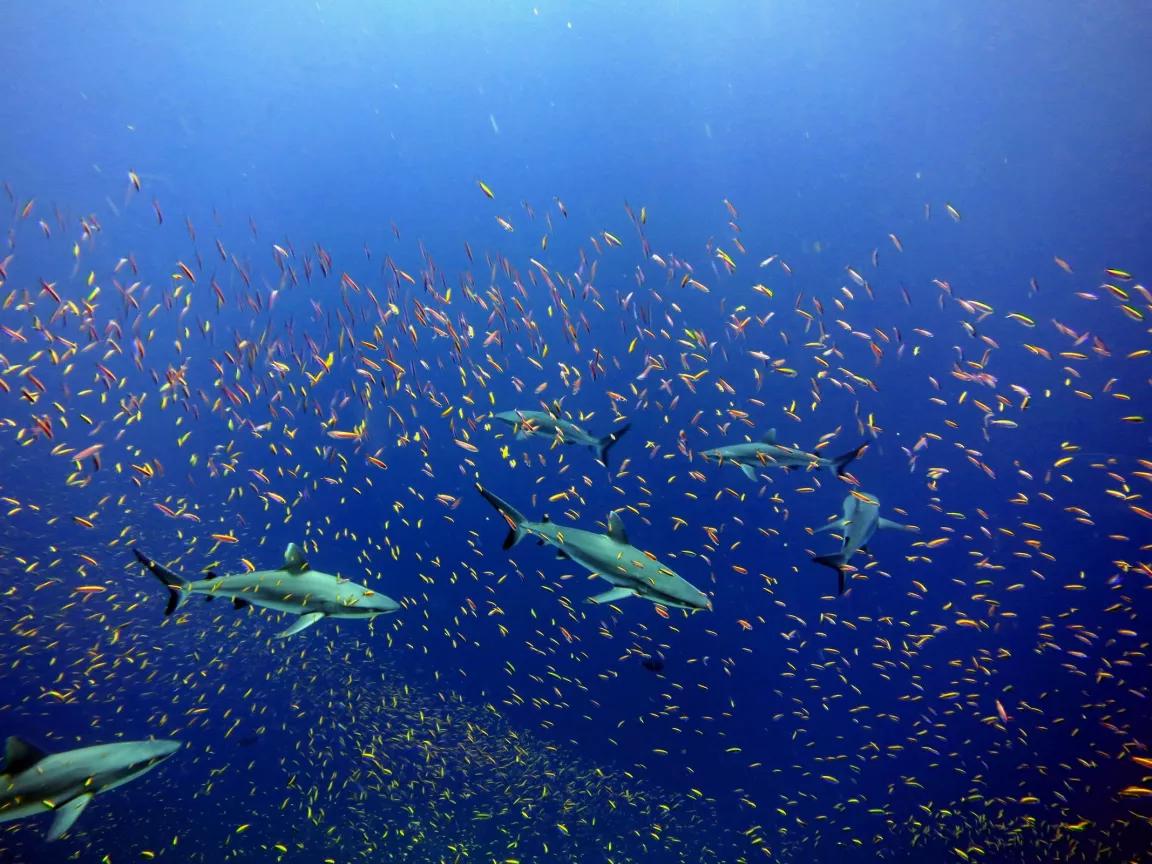
Sharks and anthias swim near the Jarvis Island National Wildlife Refuge.
NOAA/NMFS Pacific Islands Fisheries Science Center
The Sixth Assessment’s Working Group III report laid out five possible scenarios—–from better to worse to apocalyptic—–that correspond to different timelines of climate action and their predicted degrees of warming. Under even the most optimistic scenario, one in which the world bands together to slash emissions immediately, the world can avoid the most catastrophic version of the climate crisis, but it will continue to warm until at least mid-century, due to the impact of past emissions. “Some of the changes already set in motion—such as continued sea level rise—are irreversible over hundreds to thousands of years,” the report says. That means we can expect climate impacts, from storms to sweltering temperatures, to get worse before they get better, though these interactions are complex and can vary by region.
The panel also makes clear that the world is not doing enough to adapt to current and worsening climate impacts, particularly in vulnerable communities where the climate crisis can exacerbate existing social and economic inequities. Adaptation efforts have so far been “fragmented” and “incremental,” the panel says, when instead, governments should be urgently making “transformational” changes to secure food supplies, build more resilient electricity grids, and protect people’s health. The longer we wait to adapt, the panel warns, the less ability we will have to do so.
Why is the 1.5 degrees Celsius target important?
The stated aim of the 2015 Paris Agreement is to keep global temperature rise “well below” 2 degrees Celsius and to “pursue efforts” to limit it to 1.5 degrees Celsius (2.7 degrees Fahrenheit). But during the tense negotiations that led to the agreement, many countries, particularly island nations and others most vulnerable to rising seas, argued that anything above 1.5 degrees Celsius of warming—not 2 degrees—would be too dangerous. While some scientific findings already supported this idea, there wasn’t sufficient awareness at that point to accurately predict the ramifications of that seemingly small half degree. Therefore, the IPCC was tasked with finding out: What are the implications of aiming for 1.5 degrees Celsius instead? Would it even be possible? And if so, what would it take?
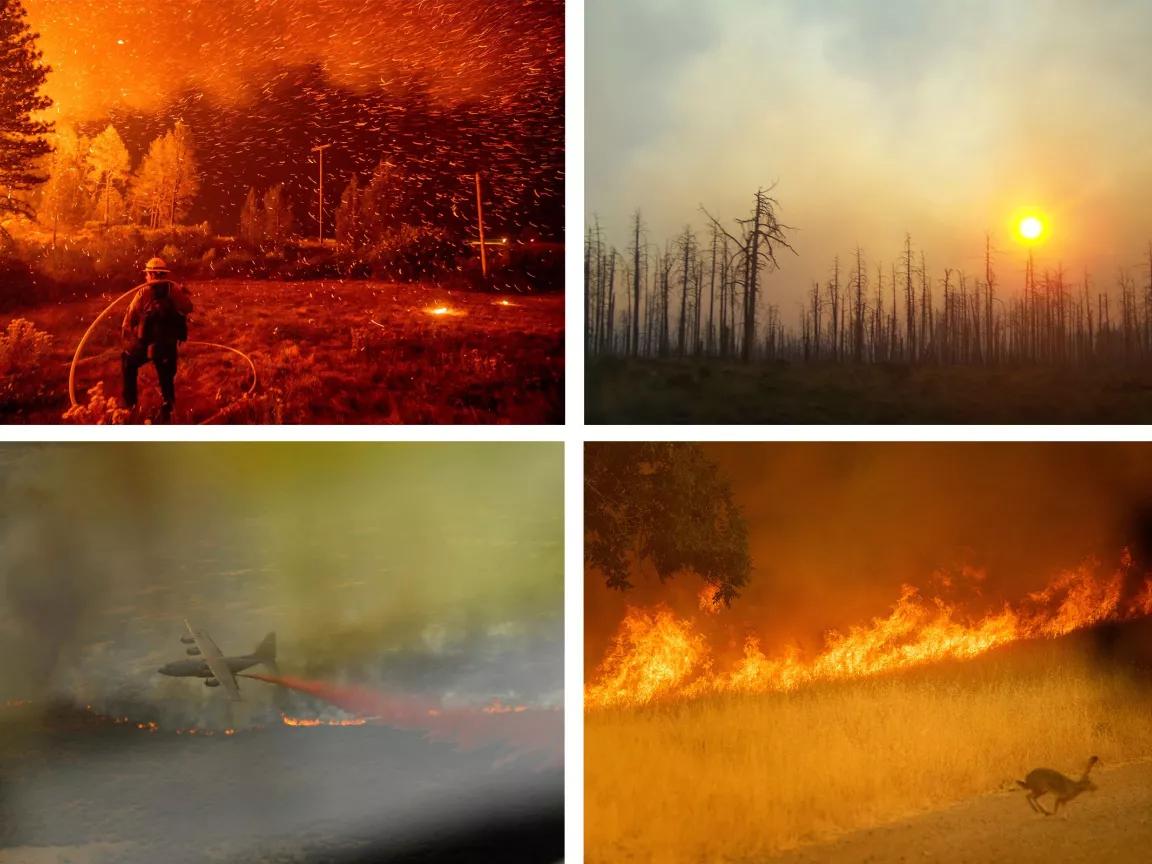
Forest fires from around the United States
Clockwise from the upper left: Noah Berger/AP, Brandon Bickel/US Forest Service, Eric Harris/CA Air National Guard, Noah Berger/AP
The conclusions of the IPCC’s Global Warming of 1.5°C special report were startling: A half degree more of warming would mean substantially more poverty, extreme heat, sea level rise, habitat and coral reef loss, and drought. And we cannot prevent this level of warming unless we act immediately to cut emissions deeply. The 2018 report confirmed what those vulnerable nations feared to be true: Every fraction of a degree of warming has grave consequences. The higher temperatures rise, the more likely it also is for climate impacts to interact, “creating compound and cascading risks that are more complex and difficult to manage,” the IPCC says.
Limiting global warming to 1.5 degrees Celsius, rather than 2 degrees Celsius, “could reduce the number of people exposed to climate-related risks and susceptible to poverty by up to several hundred million by 2050,” the special report states. At 1.5 degrees Celsius, the number of people across the globe at risk of inadequate water supplies could be 50 percent lower than at 2 degrees.
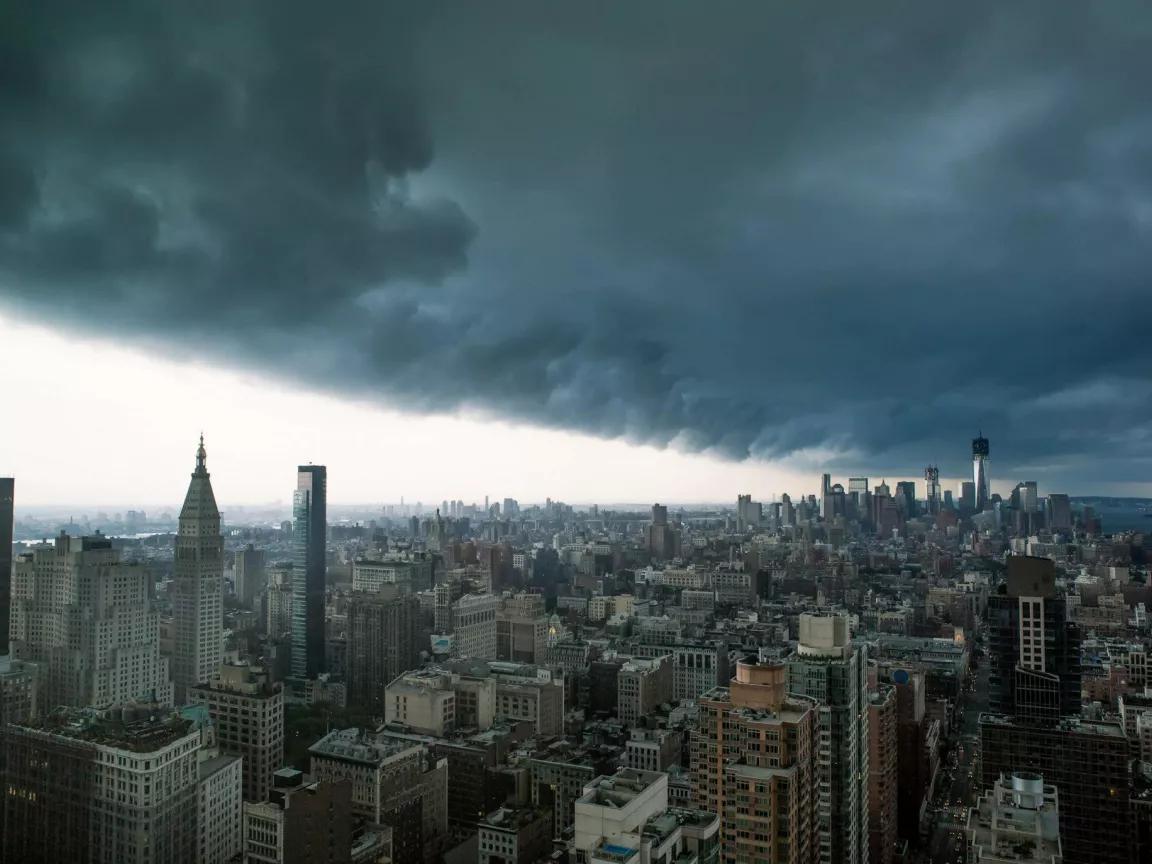
Storms over New York City
Other species are also worse off with a two-degree increase. At that level of warming, coral reefs could nearly all be dead. Just half a degree cooler and the survival rate for reefs could be as high as 30 percent. Twice as many plant species—and three times as many insects, which are critical to our food supply—could lose at least half of their habitat under a 2 degree Celsius versus a 1.5 degree rise. And the melting of Arctic ice—particularly concerning the positive feedback loop it would create by no longer reflecting the sun’s rays—would be far more drastic at 2 degrees. Summers warm enough to melt all of the Arctic’s ice would occur only once every 100 years at 1.5 degrees Celsius of warming. At 2 degrees Celsius, the ice would vanish every 10 summers.
In fact, without stronger climate actions, the world is on track to warm 2.7 degrees Celsius (5 degrees Fahrenheit) by 2100. And as we’re already seeing today, the impacts will be felt hardest by those who have historically contributed the least to climate change, including women and low-income communities, as well as Indigenous communities and other people of color around the world.
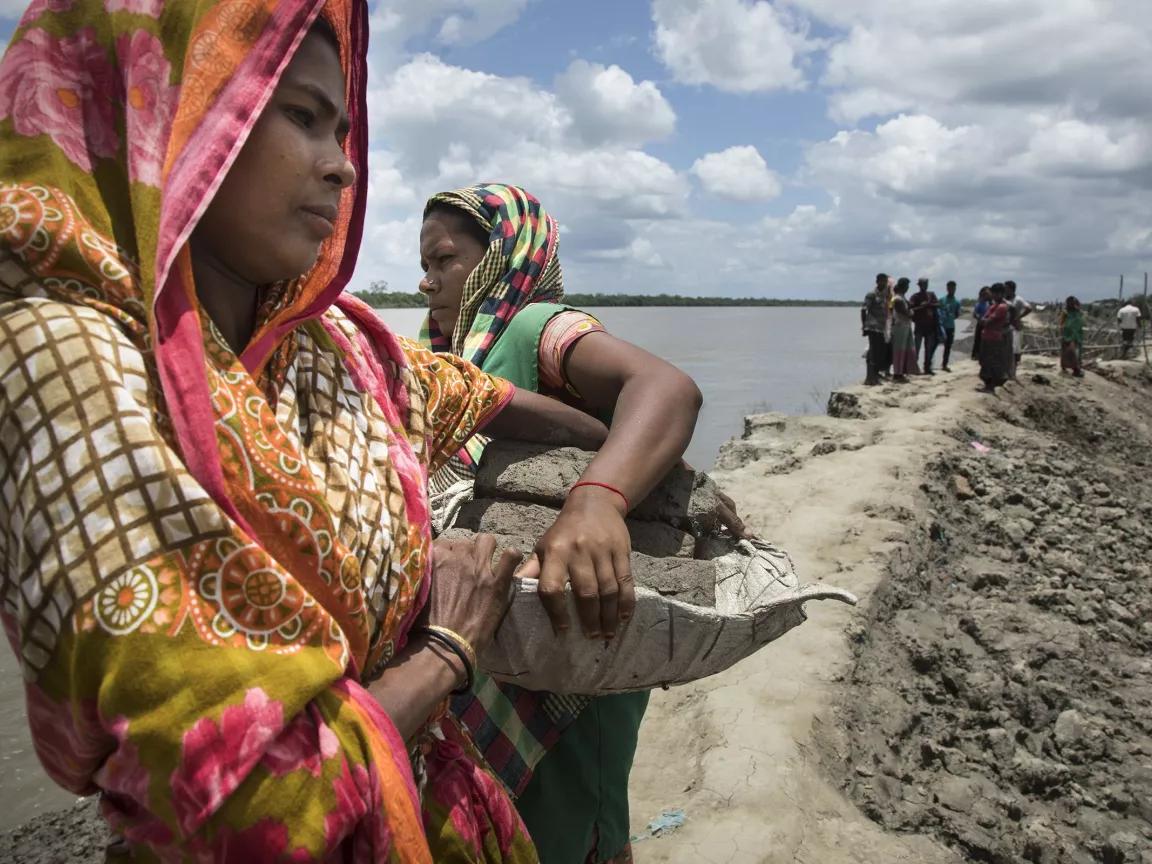
Women shoring up the embankment on Shakbaria River in Bangladesh
Marcin Szczepanski/Sinking Cities Project
The IPCC’s recommendations
The IPCC reports spell out how the world must take ambitious climate action now and through this decade in order to keep warming to 1.5 degrees Celsius. The crisis calls for “deep, rapid, and sustained reductions in greenhouse gas emissions,” the synthesis report says. That means decreasing global carbon pollution by 48 percent from 2019 levels by 2030, reaching net-zero carbon emissions by 2050, and thereafter achieving net-negative carbon emissions. (Net-zero refers to balancing the amount of emissions put into the atmosphere with the amount taken out.) Even then, we will likely overshoot the 1.5 degree target initially—hitting 1.6 degrees Celsius between 2041 and 2060, and then dropping back below 1.5 degrees by 2100. (In addition to slashing carbon, we’ll need to dramatically cut other greenhouse gas emissions, including methane, nitrous oxide, and fluorinated gases.)
It can be helpful to think of this ticking climate clock in terms of our remaining carbon budget. According to the Sixth Assessment Report, the world can emit just 500 gigatonnes more of carbon dioxide, measured from the start of 2020, if we want at least a 50 percent chance of staying below 1.5 degrees. But in 2021 alone, according to a March 2022 analysis by the International Energy Agency, the world emitted about 36.3 gigatonnes of carbon, the highest amount ever recorded. If we continue at that pace, we will blow our entire carbon budget for 1.5 degrees in a little over a decade.
To limit warming to 1.5 degrees Celsius by century’s end, we’ll need system-wide changes on a scale never before seen. It means shifting the way we produce and consume energy, from carbon-intensive fossil fuels to clean, renewable energy. It means changing how we manage our land, consume goods and services, store our waste, travel, and even how we eat.
True solutions will also be borne out of “inclusive development choices that prioritize risk reduction, equity, and justice,” the panel states, and forming partnerships with historically marginalized groups, who often experience climate impacts first and more acutely.
Any net-zero pledges, of which there are now hundreds from governments and corporations alike, must have real substance. That means enacting measures that curb pollution in the short term, rather than allowing emissions reductions to exist as a math trick on paper. Indeed, many of the scenarios considered by the IPCC rely on “negative-emission technologies,” which remove carbon pollution from the atmosphere and store it in order to spare our planet from further warming. Some of these methods are relatively straightforward—such as capturing more carbon in forests and soil—but others aren’t quite as simple. One controversial negative-emission technology is bioenergy coupled with carbon capture and storage (BECCS), which the IPCC includes in several possible scenarios in its Global Warming of 1.5°C special report. BECCS involves growing plants to naturally absorb carbon dioxide, burning them to generate power, and then capturing the resulting emissions and storing them deep underground. Unfortunately, studies indicate that massive use of BECCS could be untenable, costly for the climate, and exact too high an ecological cost. Thankfully, there are many other ways to reduce emissions, most notably by decreasing the extraction and use of fossil fuels and ramping up renewables.
Where do we go from here?
The best time to reduce greenhouse gases was in the mid-19th century, when scientists first began realizing the effect that burning fossil fuels could have on our climate. The second-best time is right now. Indeed, the most action-inducing part of the latest IPCC reports is the sheer speed at which the world needs to overhaul foundational elements of modern life, such as our energy, transportation, land use, and food systems.
We haven’t been going nearly fast enough: Even when considering updated 2030 emissions reduction targets and tangible net-zero–by–mid-century pledges from COP26 and COP27, the world is still on track to see about 2.7 degrees of warming by 2100. And those pledges will still require significant political will to fully enact. Even optimists would agree that we have a dizzyingly large task ahead. Despite notable progress being made in the passing of the historic Inflation Reduction Act, political polarization in the United States—and the continued support of fossil fuels by members of Congress on both sides of the aisle—continues to hamstring the ambitious climate action we desperately need.
But rather than being universally accepted as a harbinger of doom, the IPCC’s reports serve as a wake-up call to take action. “Feasible, effective, and low-cost” solutions are already available, the panel says—but they’re not being implemented at the speed or scale that’s needed. The biggest challenge is whether there is the political will to change, particularly in the United States, which is the second-biggest carbon polluter after China and still far and away the biggest polluter in history. (A commitment at COP26 for these two top emitters to work together provides a foundation for further progress.)
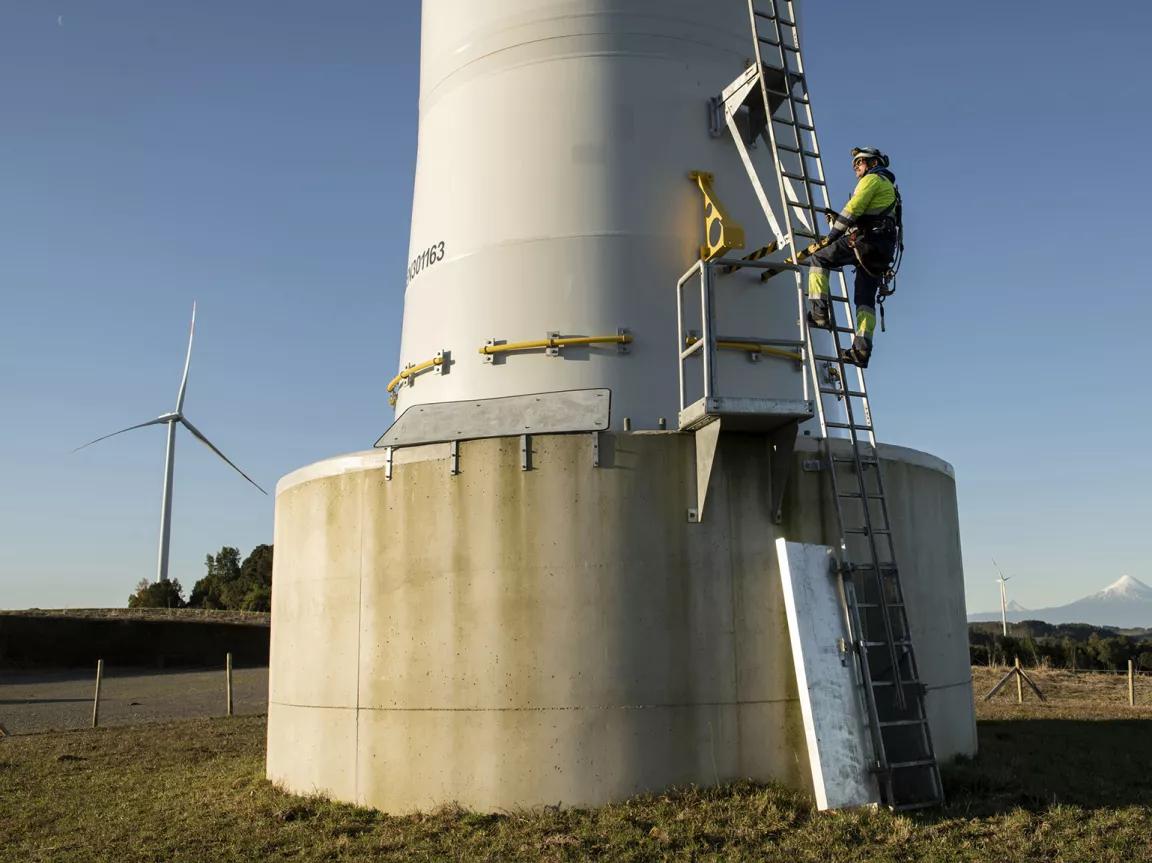
A technician checking a wind turbine at Aurora Wind Farm in Chile
Of course, successful climate action doesn’t look like just one thing—it looks like many things, happening all at once. It means ending our systemic addiction to fossil fuels. But it also means deploying electric cars and offshore wind power and reducing our food waste. It means rewriting building codes to be more energy efficient, protecting forests, and using less land to raise methane-producing livestock. It means demanding more inclusive governance and ramping up climate funding for the most vulnerable and low-income nations. And it’s not just mitigation—it’s equally about building resilience and adapting to the impacts of a changing climate.
For individuals, taking action may look like buying less plastic, installing LEDs, or using more public transportation. It also means making our voices heard to convince our leaders that urgent climate action is not only necessary but possible. Most important, it’s about knowing that every action we take to fight climate change matters.
This story was originally published on November 21, 2018, and has been updated with new information and links.
Stopping the Trump administration's agenda rests in part on how many of us come together.
Stand with NRDC to stop the Trump administration's assault on our planet.
This NRDC.org story is available for online republication by news media outlets or nonprofits under these conditions: The writer(s) must be credited with a byline; you must note prominently that the story was originally published by NRDC.org and link to the original; the story cannot be edited (beyond simple things such as grammar); you can’t resell the story in any form or grant republishing rights to other outlets; you can’t republish our material wholesale or automatically—you need to select stories individually; you can’t republish the photos or graphics on our site without specific permission; you should drop us a note to let us know when you’ve used one of our stories.
What Is Climate Change?
Venezuela’s Oil Resources Are Vast (and Should Stay Underground)
What Are the Causes of Climate Change?