Environmental Issues > Global Warming Main Page > All Global Warming Documents
Feeling the Heat in Florida
Global Warming on the Local Level
Contents page
Executive Summary
The accelerated warming of the global climate may seem like a remote concern to most Floridians. In fact, global warming presents the state with serious challenges -- challenges that threaten human health, economic prosperity, and treasured natural areas. Over several decades, changes in sea level, average temperature, and weather will affect coastal property and beaches, water resources, agriculture, and ecosystems. In short, global warming has the potential to affect everything that defines Florida today.
This report is a synthesis of current scientific knowledge about the anticipated effects of global warming on Florida. Prepared by leading research scientists at universities across the state, it draws on global, national, and local studies to better understand Florida's specific vulnerabilities. It is intended as a tool for Florida's leaders to make the best possible choices today to preserve Florida's threatened prosperity for tomorrow. The research indicates that global warming will dramatically change the state of Florida.
The Effects of Global Warming in Florida
Scientists have already observed changes in Florida that are consistent with the early effects of global warming. These changes include retreating and eroding shorelines, dying coral reefs, salt water intrusion into the freshwater aquifer, increasing numbers of forest fires, and warmer air and sea surface temperatures. In coming years, these effects may become more common, and increasingly severe.
Projected global warming will raise Florida's average temperature by between 4 and 10 degrees Fahrenheit over the next 100 years. The summer heat index increase of 8 to 15 degrees Fahrenheit will be the most dramatic in the nation. Sea levels could rise by 8 inches to over 2 feet by the year 2100. Rainfall is anticipated to become more intense but also more sporadic, causing worse droughts and storms.
Coastal Florida
Florida's valuable coastal property and key tourist resources will be damaged by the most obvious result of global warming: rising sea levels. In low-lying areas, anticipated sea level rise could force water to flow horizontally as much as 400 feet or more inland -- flooding shoreline homes and hotels and eroding Florida's famous beaches. Attempts to block rising seas through sea-wall projects and erosion control will be expensive and will almost certainly fail to protect undeveloped shoreline.
Freshwater supplies that feed cities, agriculture, and tourist centers may be endangered by salt-water intrusion. Sea level rise, rising temperatures, and alterations in rainfall will also combine to harm the very coastal ecosystems such as the Everglades and coral reefs that make Florida a unique and appealing destination. These changes will alter the $45 to $50 billion annual revenue from Florida's tourist economy.
Human Health
Global warming poses a threat to people throughout the state. Global warming can harm human health in several ways: by increasing heat-related illness, by exacerbating poor air quality, and possibly by increasing the incidence of infectious disease. Senior citizens tend to be most susceptible to these effects, a troubling finding for Floridawhere the elderly population is increasing and already constitutes the largest population group and the biggest economic base in the state.
Agriculture, Commercial Forests, and Natural Ecosystems
The impact of global warming on agriculture, commercial forests, and natural ecosystems is difficult to predict, because of relatively large uncertainties in future rainfall and the potential for farmers and land managers to adapt to some new conditions. But most scientists agree that a warmer climate means more intense weather systems -- heavier, more concentrated rains along with longer droughts.
It is possible that some commercial crops will benefit in the short run from climate changes, as well as the fertilizing effects of an atmosphere richer in carbon dioxide. These effects will be short-lived, however, and most scenarios indicate that important cash crops like sugarcane, tomatoes, and, in some regions, citrus will face declining yields over the long run.
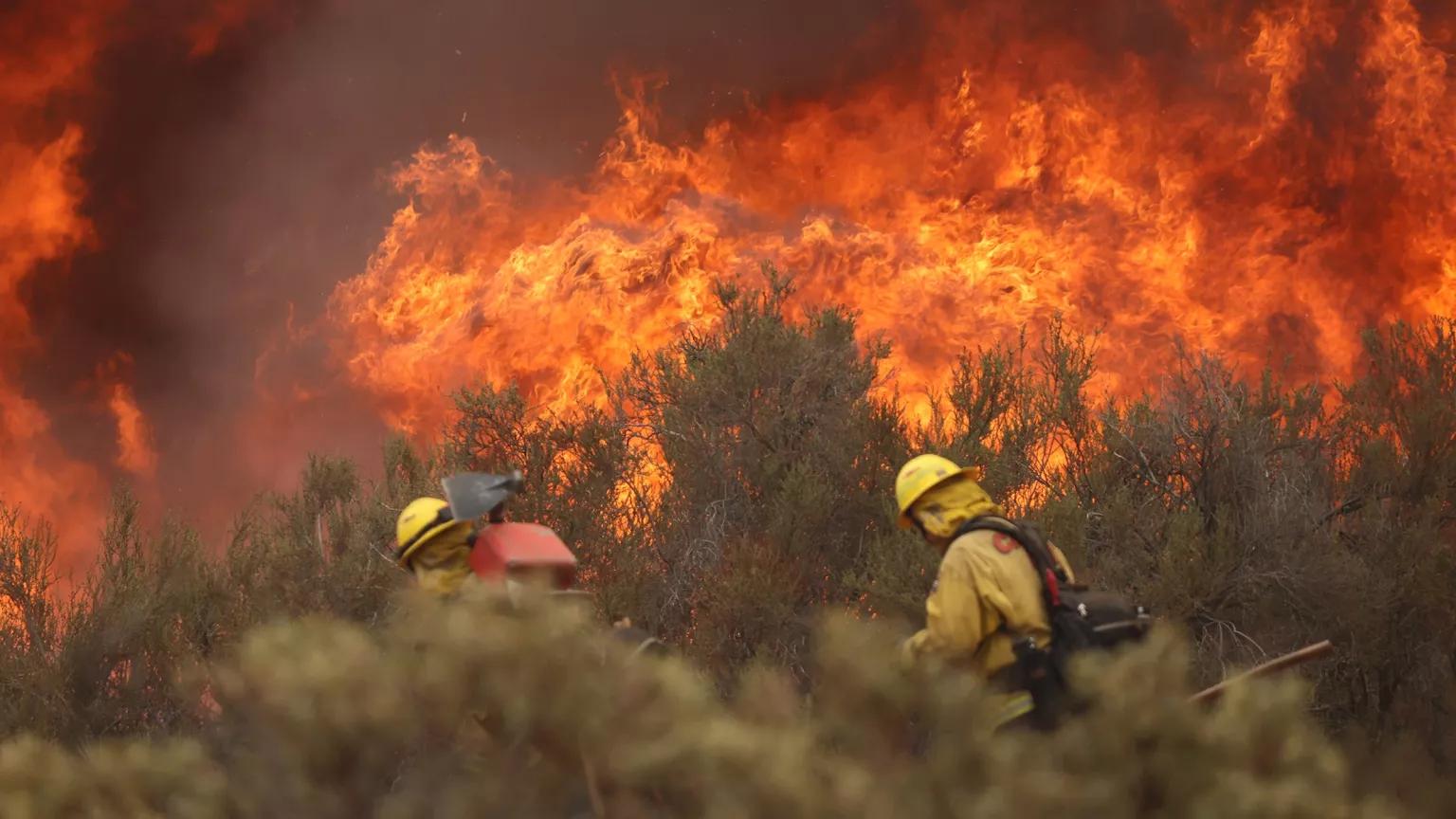
Commercial forestry will probably remain possible, although changes in water availability and temperature may alter the preferred tree species. Forests may be damaged by wildfires, which are very likely to increase with higher temperatures and more intense drought cycles. Global warming may also increase the threat of invasive species and pests. Natural ecosystems are likely to be damaged more than commercial forests and agriculture, because management to address global warming changes is less likely to be effective in protecting these areas.
Hurricanes
The Florida scientists' analysis also brings some good news. In the past, experts believed that global warming would bring more hurricanes to the state. The best current assessment is that a warmer climate will not increase the number of tropical hurricanes, and will have only a small impact on hurricane intensity by 2100 and no measurable change over the next 20 to 30 years. Global warming effects will be dwarfed by cyclical weather patterns unrelated to global warming, which are predicted to intensify hurricanes for the next 25 to 40 years.
Turning Back the Tide
While predictions for Florida's future seem grim, there are ways to avoid devastating harm if action is taken now. Florida needs to develop a plan to address its vulnerability to global warming, as 27 other states have already done. One task is to identify the greatest threats and, where possible, develop the capacity to adapt to them with minimal disruption and cost. A second task is to reduce emissions of global warming pollutants from power plants, cars, and other major sources. In many cases, common-sense solutions exist -- using energy more efficiently and cleaning up power plants -- that also save money or improve local air quality. Similar actions are also required at the national level because Florida cannot solve such abroad problem alone. The real danger is that delaying responsible action would make it too late or much more costly to stabilize the climate by the end of the century.
This report provides an overview of findings for coastal impacts, hurricanes, human health, agriculture, commercial forests, and natural ecosystems, and includes a review of global warming science and the climate change scenarios upon which the findings are based. An accompanying background document containing the complete findings will also be published.
Sign up for NRDC's online newsletter
This Is Global Warming

Watch the Video »
Our new video shows the effects of global warming in the world today.
NRDC Gets Top Ratings from the Charity Watchdogs

- Charity Navigator awards NRDC its 4-star top rating.
- Worth magazine named NRDC one of America's 100 best charities.
- NRDC meets the highest standards of the Wise Giving Alliance of the Better Business Bureau.
Switchboard Blogs
- Substituting trees for coal in power plants would take us backwards in the fight against climate change
- posted by Sasha Lyutse, 7/3/13
- Creating Resilient Cities to Tackle Climate Change
- posted by Radhika Khosla, 7/2/13
- President Obama's Giant Step to Give Our Kids a Healthier, Low-Carbon Future
- posted by Kim Knowlton, 7/1/13