West
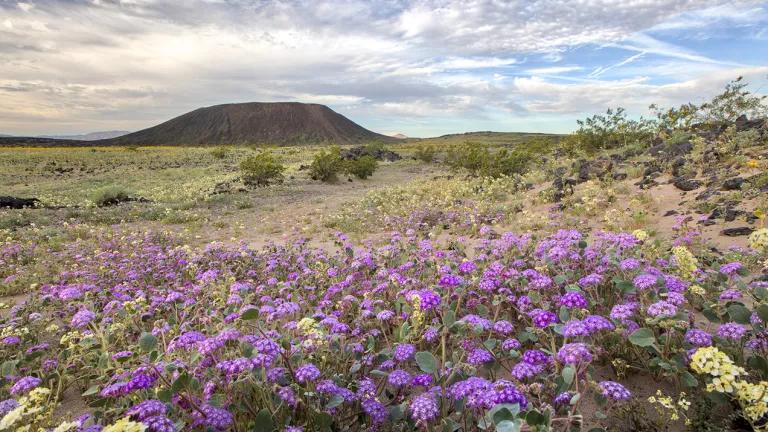
Amboy Crater in Mojave Trails National Monument, California
Bob Wick/U.S. Bureau of Land Management
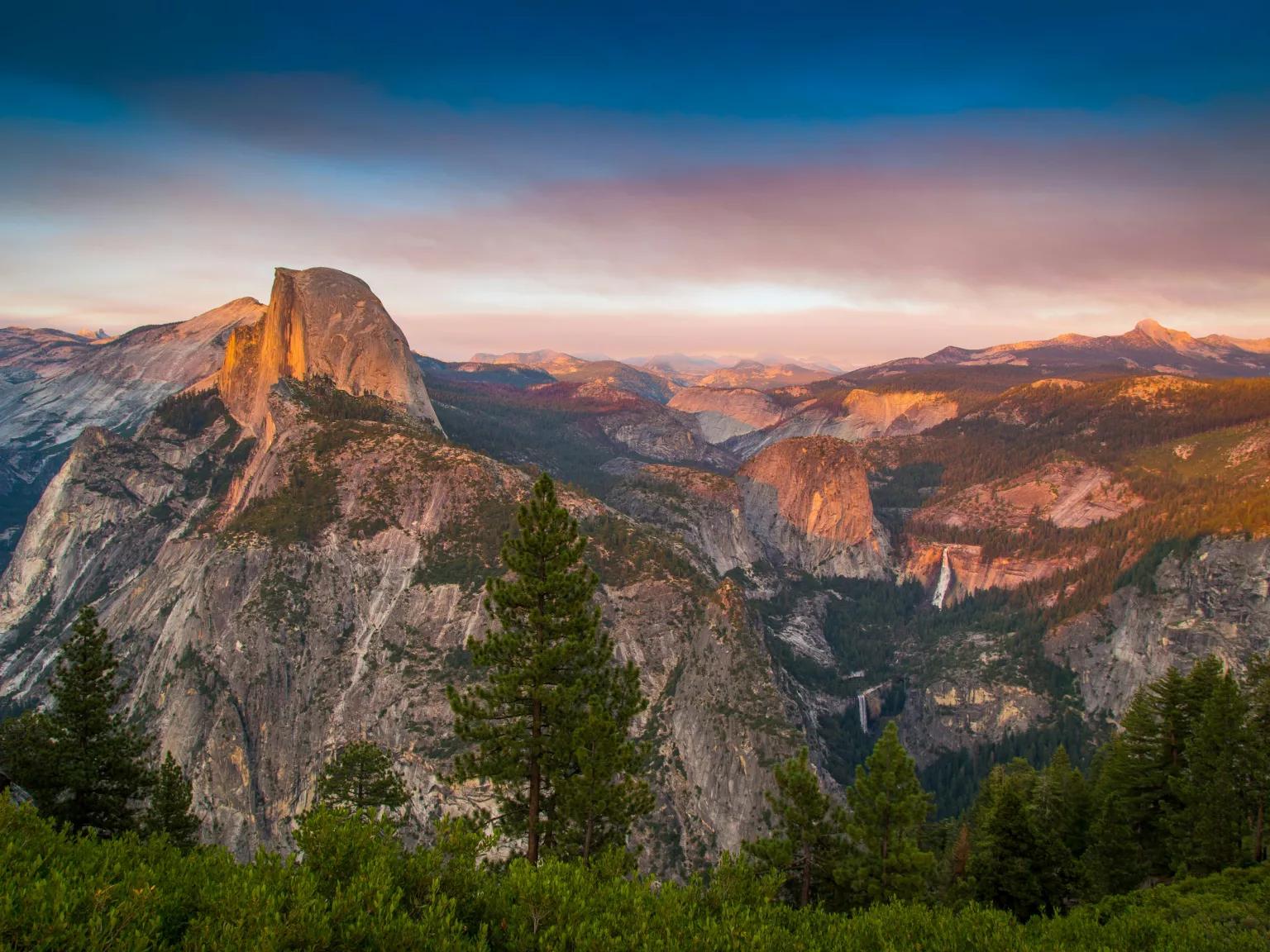
Areas across the American West—California, Nevada, Oregon, and Washington—and Hawai‘i are now experiencing life at the forefront of the climate crisis, facing destructive wildfires, severe droughts, rising sea levels, and more. NRDC is working with local leadership, businesses, and advocacy groups to push for 21st-century energy systems; advocate for legislation to curb climate-damaging pollution; and create programs that will protect vulnerable communities, lands, and waters.
The Southwest is a vast, geographically diverse region rich in natural resources that have long been exploited by the fossil fuel industry. NRDC is working to help Arizona, New Mexico, Oklahoma, and Texas transition to clean energy, advocating for policies that promote renewable power, energy efficiency, and clean transportation. We are also fighting to protect public lands from oil and gas development—all while helping vulnerable communities avoid the health impacts of dirty energy and the climate change it is fueling.
NRDC’s work in the Rockies focuses on preserving the region’s wild character while promoting sustainable development. In Colorado, Idaho, Montana, Utah, and Wyoming, NRDC marshals local support to create breakthroughs in wildlife protection and agricultural practices, as well as clean energy and transportation policies. Our attorneys regularly head to court to stop the reckless extraction of oil, coal, and natural gas from public lands and to protect the health of vulnerable communities.
- NRDC is working to reduce the use of harmful chemicals in food and consumer products. In California, we helped pass a law that protects families and firefighters by ending the sale of furniture containing flame-retardant chemicals. We’re also joining with food system advocates to develop an organic farm-to-school program, increasing access to pesticide-free foods that are good for students as well as farmworkers.
- Through partnerships with business and state leaders, NRDC is producing stronger climate and energy actions, like a commitment to 50 percent renewable electricity by 2030 in Nevada, economic development initiatives in Oregon, and low-carbon fuel programs in Washington. Through Bloomberg Philanthropies’ American Cities Climate Challenge, NRDC is supporting Honolulu, Los Angeles, Portland, San Diego, San Jose, and Seattle to accelerate and deepen their efforts to create the greatest climate impact.
- NRDC is working to protect our coasts and communities from the dangers of offshore drilling. In California, we helped pass legislation that made it illegal for the state to approve any new infrastructure that would enable new drilling in federal waters. Our experts are also combating dammed rivers, toxic chemicals, and disruptive activities in order to bring species like Washington’s endangered Southern Resident killer whales back from the brink of extinction.

Vermillion Cliffs National Monument, Arizona
Bob Wick/Bureau of Land Management
- NRDC has led the way to protecting our public lands, pushing for reform of fossil fuel leasing and highlighting the threat that drilling and mining pose to the environment and nearby communities, particularly to Indigenous People and other at-risk populations.
- Our clean energy experts have worked in Arizona and New Mexico to adopt and carry out renewable energy and energy efficiency programs—helping residents fight climate change, which has devastated the region by exacerbating droughts and wildfires.
- NRDC is fighting to protect ecosystems and wildlife in the region’s national monuments, including the Grand Canyon and Organ Mountains–Desert Peaks.
- NRDC has been working with local partners—the Martineztown Work Group and the Historic Neighborhoods Alliance—in Albuquerque to ensure that their comprehensive zoning plan complies with federal civil rights laws and promotes environmental justice.
- Through the American Cities Climate Challenge, NRDC supports the cities of Albuquerque and Austin and San Antonio, Texas to tackle their carbon reduction goals.
- NRDC has been partnering with TEJAS (Texas Environmental Justice Advocacy Services) and local environmental justice communities in Houston to highlight the disproportionate burden that low-income residents and people of color face from natural disasters and air pollution.
- In Denver, through the Food Matters project, NRDC advocates are working with city agencies and local partners to enact innovative solutions and strategies to prevent food from being wasted, to rescue surplus food for those in need, and to recycle food scraps.
- We successfully sued to halt the opening of the Powder River Basin in Montana and Wyoming to new coal leasing. We took the Bureau of Land Management to court to block new mining outside Utah’s Bryce Canyon National Park.
- With the American Cities Climate Challenge, NRDC is helping Denver to execute key elements of its Climate Action Plan: expanding vehicle electrification, improving and adding high-frequency transit lines, redesigning streets to prioritize safety for walking and biking, and increasing public transit ridership.
- NRDC experts are also working with business and government leaders across Colorado to support transportation policies that improve air quality. With a coalition of health and consumer groups, we promote expanding access to electric vehicles and public transit in the state through investments, policies, and tax credits.
- NRDC stood with Indigenous communities to defend Bears Ears and Grand Staircase–Escalante National Monuments in Utah and to push President Biden to restore the protections that had been eliminated by the Trump administration.
- As more and more people demand a clean energy economy, NRDC is advocating for policies that increase energy efficiency savings for residents and cut carbon across all sectors. We are also holding utilities accountable as partners in a just transition—ensuring communities like Colstrip, Montana, aren’t left behind when a local coal-fired power plant becomes uneconomical.
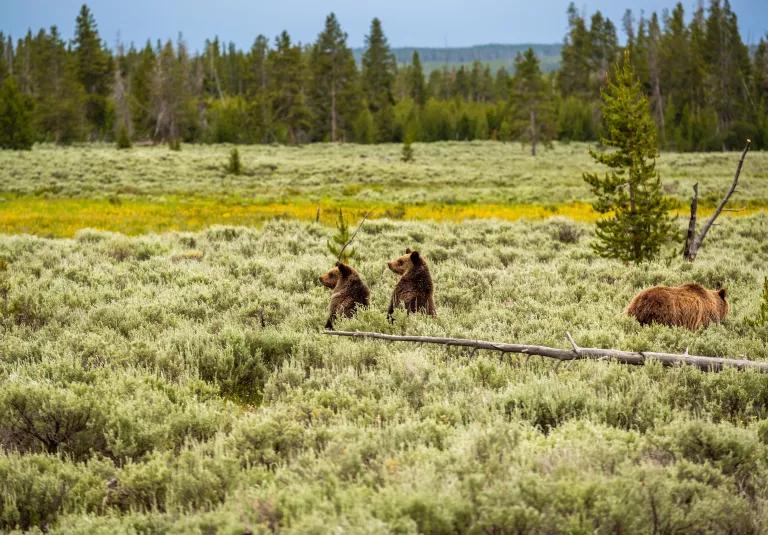
- NRDC collaborates with ranchers, government agencies, and conservationists to implement on-the-ground projects in Idaho, Montana, and surrounding states that preserve livestock and property, all while protecting apex species like wolves and bears.
Arctic
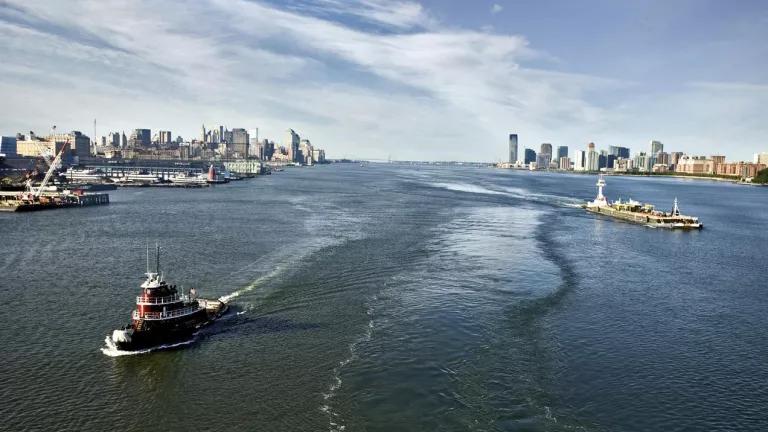
East
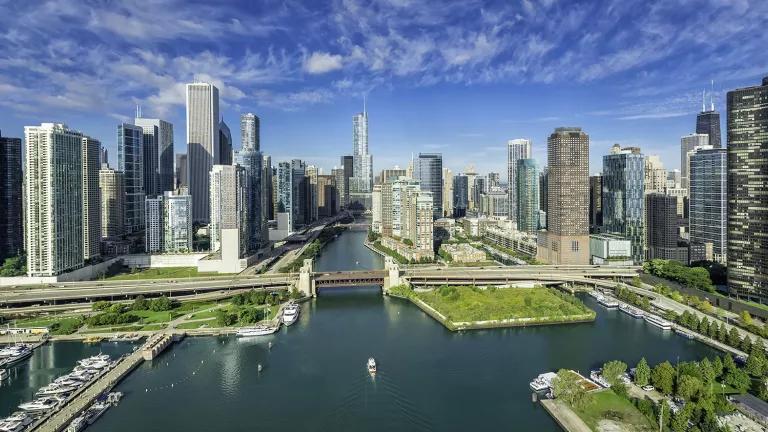
Midwest
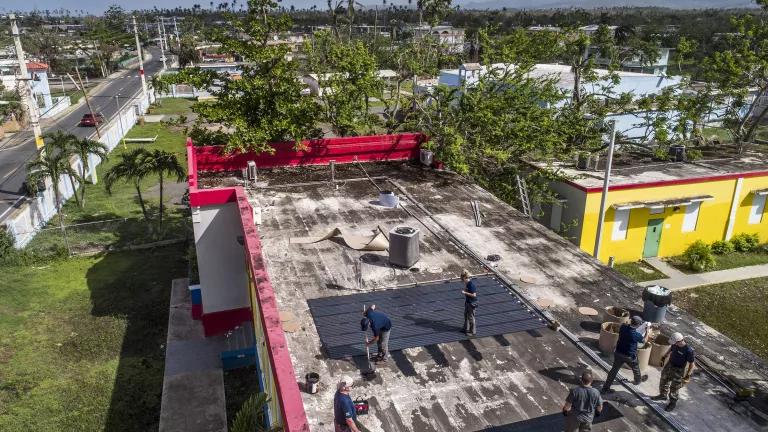
Puerto Rico
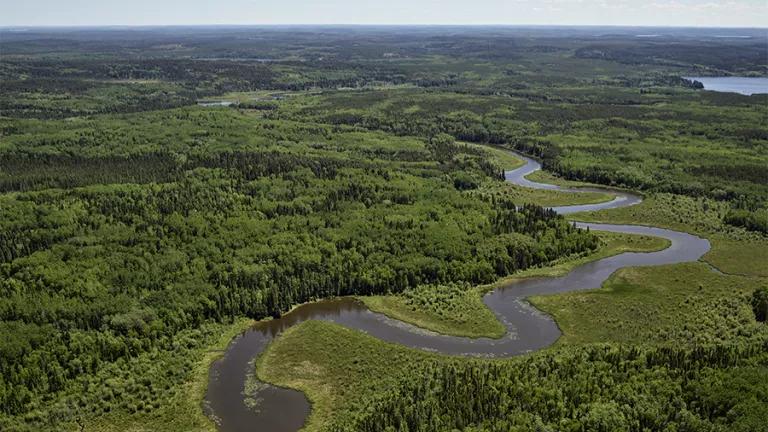
Canada

China Office
India
Latin America
Latest News & Commentary

California Is Done Paying for Pipelines That Residents Don’t Want

California Decides on Marine Protected Areas This Fall

Colorado: A National Leader in Transportation and Climate

California Crab Fishery Leads the Way in Pop-Up Fishing

Our Public Lands Are on the Chopping Block Again
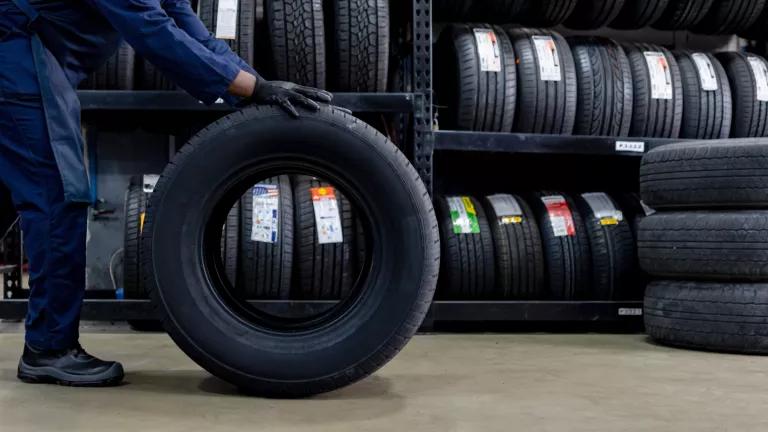
California’s Landmark Tire Efficiency Standards Are a Win for Consumers, Climate, and Public Health

Why Are the Feds Leasing Public Lands to Big Oil for So Cheap?
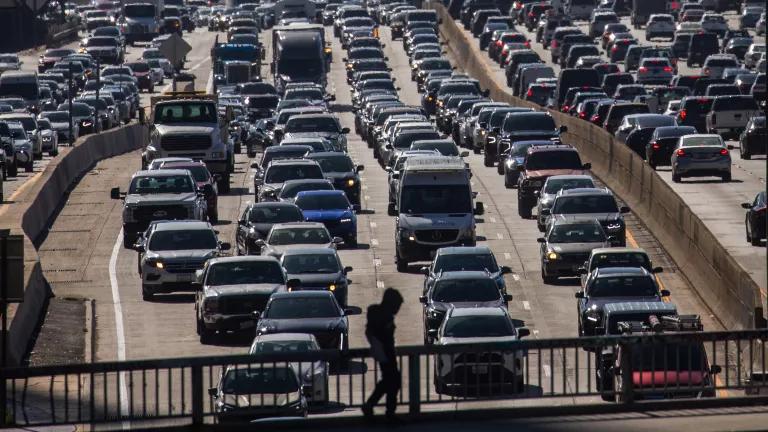
The EPA Continues Pushing a Gas Guzzler Mandate

Why Redistricting Could Lead to More Pollution, Sickness, and Death

California Legislature Passes Food Date Labeling Standardization
Latest Policy Resources

Economic Impacts of Food Waste Diversion in Colorado
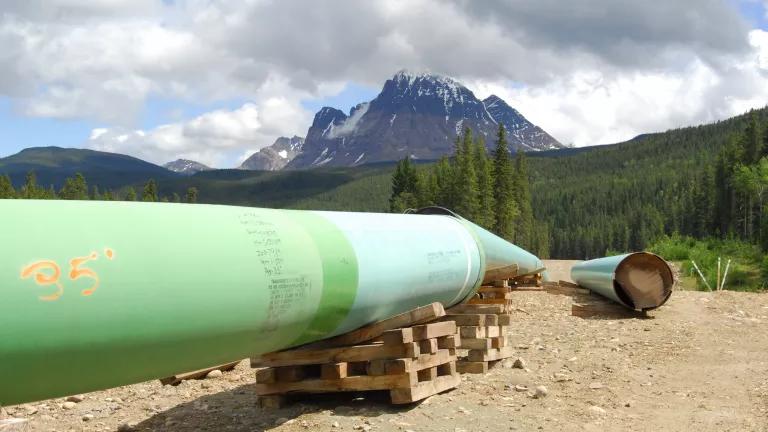
What Is the Keystone XL Pipeline?

More Than Just Flipping the Switch

Pump Up the Market
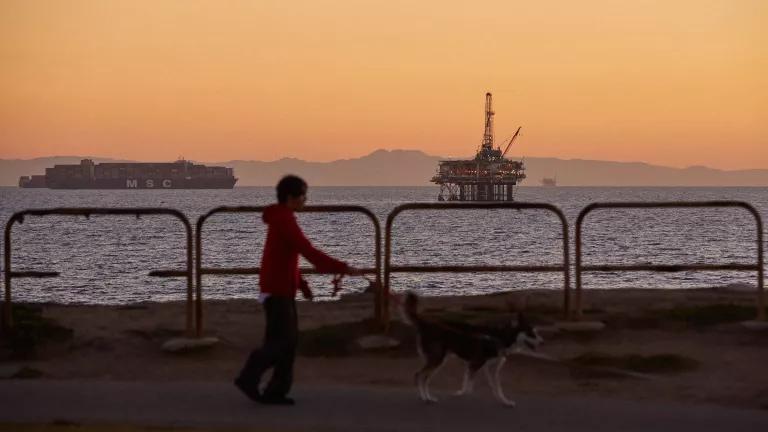
Offshore Drilling 101

Fireproof California’s Future

Winds of Change

Powering Change: Understanding California’s Electric Rate Challenges and Affordability Solutions

California Is Evaluating Petitions to Alter Its Marine Protected Area Network

Neonics: The Toxic Truth
Diesel trucks are a major contributor to the dangerous emissions in Colorado.
Tell the Colorado Air Quality Control Commission to protect residents from toxic air pollution caused by these trucks.
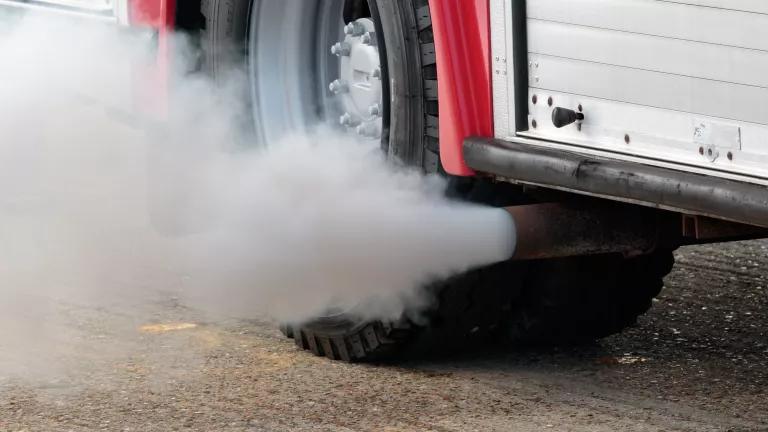
Protect Coloradans from toxic air pollution caused by diesel trucks!
Tell the Colorado Air Quality Control Commission to support the Advanced Clean Truck and Low NOx rules.