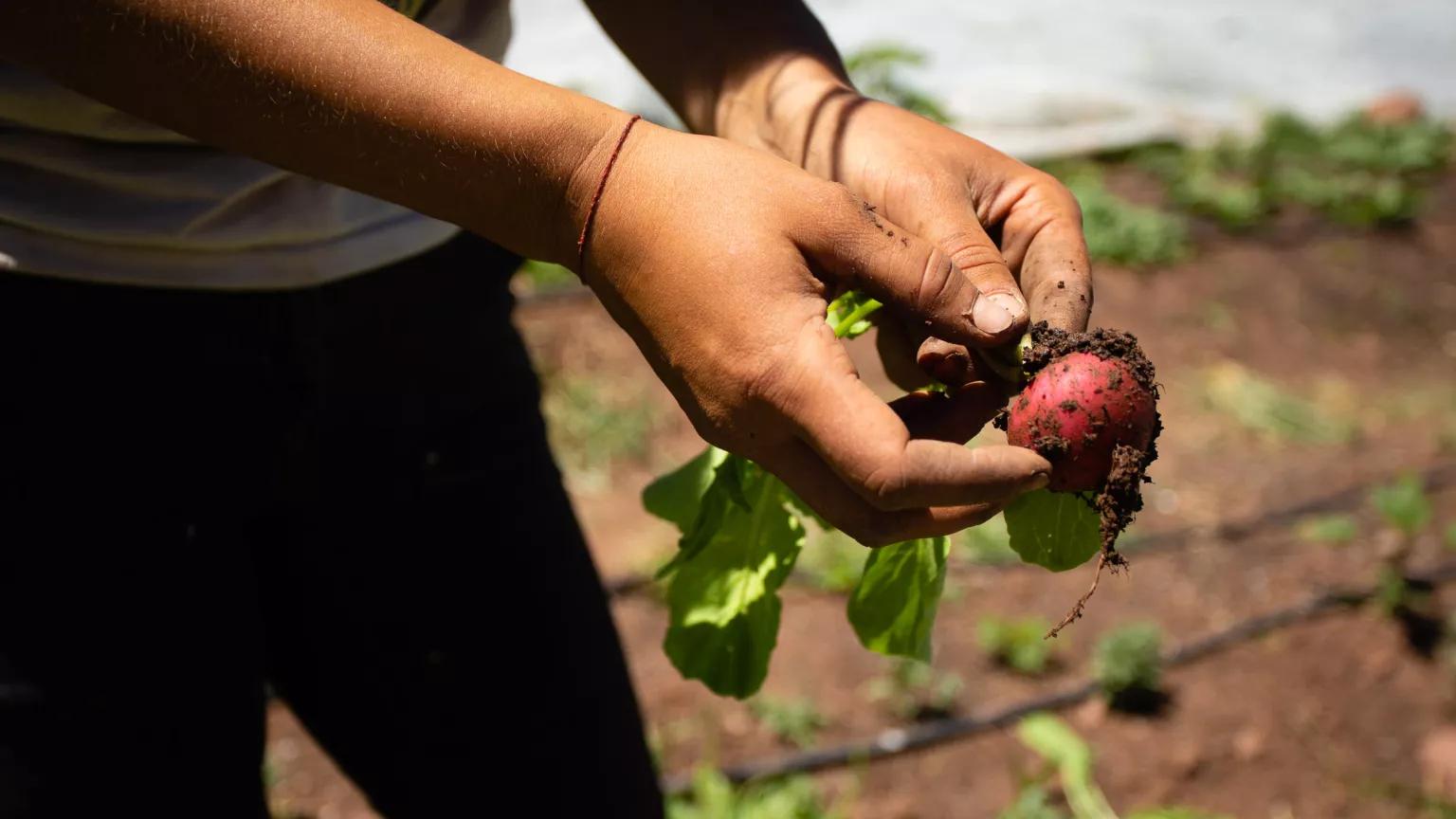
Jeremy Swanson for NRDC
Agriculture & Food
What's at stake
To tackle climate change and reduce health-harming toxics in our environment, it is critical to look at how we grow food. Agriculture is a major source of nitrous oxide, carbon dioxide, and methane emissions. Nitrous oxide, in particular, is a climate pollutant that is almost 300 times more powerful than carbon dioxide, and most of it comes from the overuse of nitrogen-based fertilizers. These and other farm chemicals, like pesticides, are also contaminating our food, soil, and water. And they’re devastating the populations of pollinators—like bees, birds, and butterflies—that are inextricably linked to the health of our crops and ecosystems.
How NRDC is making a difference
There is no silver bullet to fixing the food system, but NRDC works on some of the most powerful levers we have at our disposal. We’re calling for policies that rein in the overapplication of fertilizers, which drives harmful algal blooms and contributes to mass death events for birds, fish, and other wildlife, including in the Gulf of Mexico’s “dead zone,” an area the size of Connecticut. We’re also working at the state and federal levels to curb the widespread use of neonics—one of the most potent and widely used insecticides in U.S. history that is driving hundreds of threatened and endangered species toward extinction. And, harnessing our litigation tools and policy expertise, we’re challenging federal and state regulators in court to defend the public’s right to a healthy environment, in spite of corporate interests.
At the end of the food life cycle, we have been a driving force for food waste reduction since 2012. Working alongside partners across the country, we advance high-impact state and municipal policies that keep food out of landfills.
Latest expert blogs

Food Waste Diversion Can Deliver Billions in Economic Benefits

Minnesota’s Water Quality Wake-Up Call

California Legislature Passes Food Date Labeling Standardization
Latest news & commentary
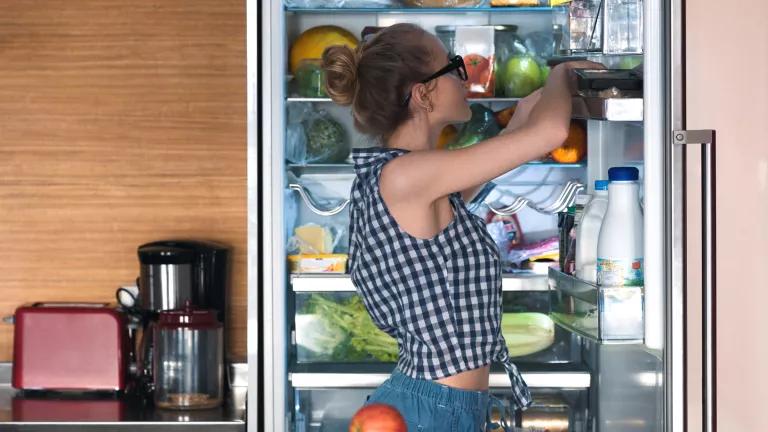
How to Get More Out of Your Kitchen Stash and Minimize Your Trash

Yes, Climate Wins Are Still Happening! Let’s Keep It Up in 2026.

A Weakened USDA Will Hurt Small Farmers (and Everyone Else)
Latest data, reports & resources
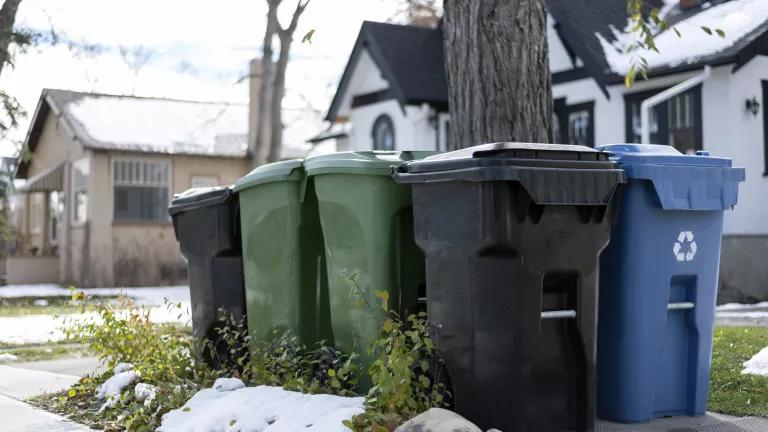
Comparative Cost Analysis for Residential Curbside Organics Collection Programs

Economic Impacts of Food Waste Diversion in Colorado

New York’s 2026 Legislative Session: Wins, Unfinished Fights, and Troubling Rollbacks
Latest court battles

Unreasonably Delayed Agency Action by the EPA: Neonics

NRDC v. Minnesota Department of Agriculture
