
India
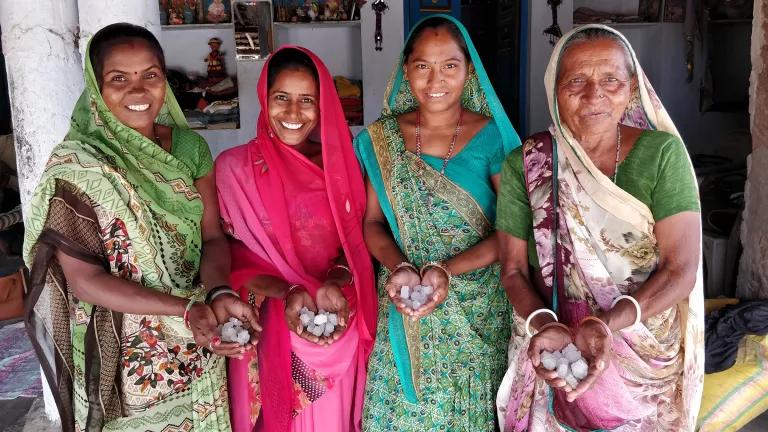
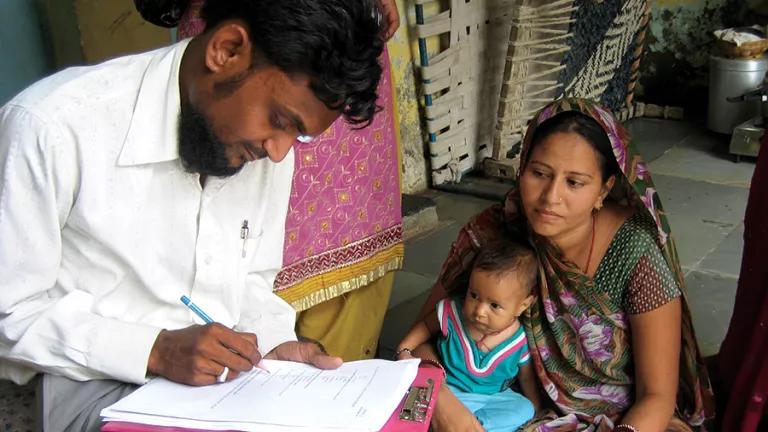
NRDC works closely with the Self Employed Women’s Association, which promotes female leadership in rural villages in India through financial literacy, capacity building, financing, and entrepreneurial skill development.
Madhura Joshi/NRDC
India is emerging as a global leader and an economic powerhouse. As the world's most populous country and one of the fastest-growing major economies, India has a unique opportunity to help shape a more sustainable future. Rapid advances in renewable energy, transportation, and industrial innovation are positioning the country as a leader in the global clean energy transition. Yet the nation of nearly 1.5 billion people is facing multiple unprecedented challenges, including extreme weather events, health burdens from pollution and extreme heat, and poverty. As the world’s third-largest emitter of carbon dioxide—yet whose emissions per capita (or per person) are among the lowest compared to many other nations—India is extremely vulnerable to the impacts of climate change, including from more deadly heat waves.
The fight to avoid substantial overshoot of the 1.5 degrees Celsius threshold cannot be won without India’s support. As energy demand continues to grow, the country's choices will help shape the future of global emissions. Continued progress in India can help drive global momentum toward a more sustainable future.
Critical opportunities for action
India's continued growth presents a tremendous opportunity to improve public health, expand access to affordable energy, and build a more sustainable future.
At the same time, the country faces interconnected challenges, including rising temperatures and extreme heat, growing energy demand, flooding, drought, and additional climate risks. These hazards threaten community well-being, strain infrastructure, disrupt livelihoods, and place additional pressure on water, food, and energy systems. Rapid urbanization and industrial growth also create an urgent need for cleaner transportation and technologies, investments in renewable energy, more efficient buildings, and sustainable development strategies that support both economic prosperity, public health, and environmental protection.
These challenges, therefore, present significant opportunities. How India addresses these challenges will have important implications not only for its communities and economy but for global climate and development goals as well. By pursuing solutions that address development and climate goals together, India has an opportunity to demonstrate how sustainable growth can benefit people, the environment, and the economy.
NRDC’s priorities in India
For more than a decade, NRDC and its partners have worked with government agencies, academic institutions, civil society organizations, and local communities to advance practical, scalable solutions that improve public health, strengthen climate resilience, and support sustainable economic development. By helping design, test, and expand innovative approaches, NRDC and its partners demonstrate how local action can drive broader environmental, economic, and social benefits. Lessons from these efforts help inform policy, support public investment, and accelerate the adoption of solutions that create healthier communities, strengthen resilience, and expand access to clean energy.
NRDC’s interconnected areas of work in India include:
- Industrial decarbonization and renewable energy growth and access: India’s industrial decarbonisation is constrained by gaps in standards, technology deployment, and clean energy alignment. NRDC works with partners to advance renewable energy policies, develop innovative financing solutions, and increase access to affordable clean energy, both to support particularly underserved communities and to unlock a competitive, low-carbon, and energy-secure transition.
- Cooling and energy efficiency: As temperatures rise and cities grow, the need for cooling is increasing across India. NRDC supports sustainable cooling solutions which includes energy-efficient appliances, sustainable refrigerant transitions, and heat-resilient and low-carbon built environments that help protect public health, reduce energy costs, and ease pressure on the power grid.
- Climate resilience and environmental health: Extreme heat, air pollution, water quality, and other climate-related risks pose growing threats to communities across India. NRDC works with local partners to strengthen climate resilience through practical solutions and city-led initiatives that protect public health and help communities prepare for a changing climate. NRDC’s work on environmental health in India also focuses on strengthening the economic arguments for policy action while addressing key scientific and policy gaps.
Living in extreme heat is more than just a physical discomfort—it can impact your livelihood and overall health and well-being. NRDC’s director of cooling and climate resilience, Prima Madan, talks about how India is adapting to rising temperatures and what the rest of the world can learn from them.
- Clean transportation: Transportation is a major contributor to air pollution and growing energy demand. NRDC supports policies and programs that advance electric mobility and cleaner transportation options, helping to improve air quality, reduce dependence on imported fuels, and accelerate the transition to a low-carbon economy.
- Climate goals and global engagement: India plays a critical role in shaping global climate outcomes. NRDC works with partners to support ambitious climate action, strengthen policy development, and advance solutions that contribute to India’s climate goals while demonstrating leadership on the global stage.
Recognizing the importance of our India program to achieving NRDC's goals, NRDC’s local affiliate NRDC India Private Limited, located in New Delhi, opened its doors on January 18, 2023.


NRDC EXPERTS ON INDIA


Latest expert blogs
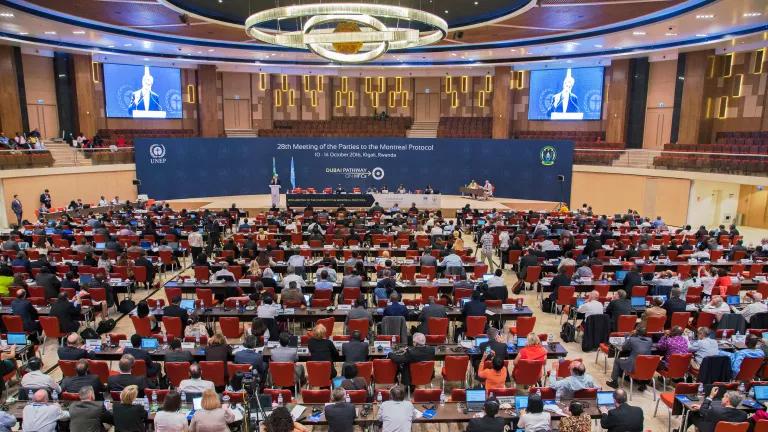
10 Years After Kigali: What Comes Next for the Global HFC Phasedown?
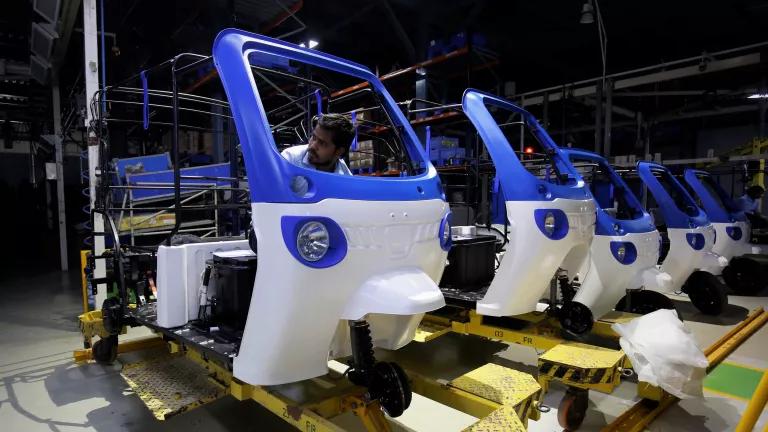
Lessons from India’s Transition to Electric Vehicles
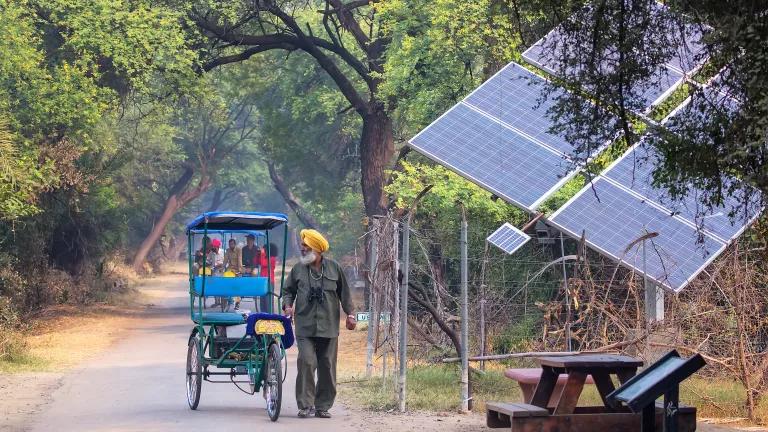
Finance Beyond the COP: How India Is Rebuilding the Case for Global Climate Finance

Bridging the Heat Divide: Global Forum Advances South-South Dialogue to Spark Action
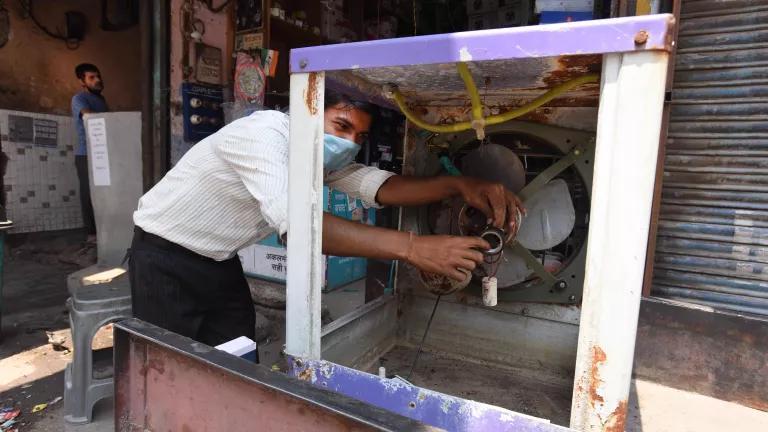
The People Behind Climate-Friendly Cooling
Latest news & commentary

In Rural India, Women Take Charge of Renewable Power

A Climate Strategy for India Scales Up

When Extreme Heat Hits India’s Slums, These Women Cool Things Down—and Save Lives

Public Health Scientist and Advocate

As Temperatures Soar in India, One City’s Efforts Are Saving Lives
Latest Data, Reports & Resources

The Road from Paris: India's Progress Towards Its Climate Pledge

Identifying the Health Benefits of Addressing Climate Change in Ahmedabad, India
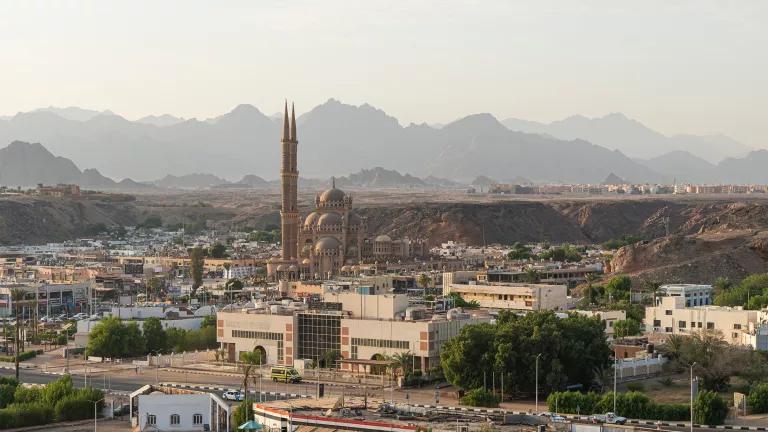
NRDC Experts and Events at COP27
Rising Temperatures, Deadly Threat: Preparing Communities in India for Extreme Heat Events
Energy Saving Benefits of Implementing Building Energy Code in Gujarat
LEARN MORE ABOUT NRDC'S INTERNATIONAL WORK
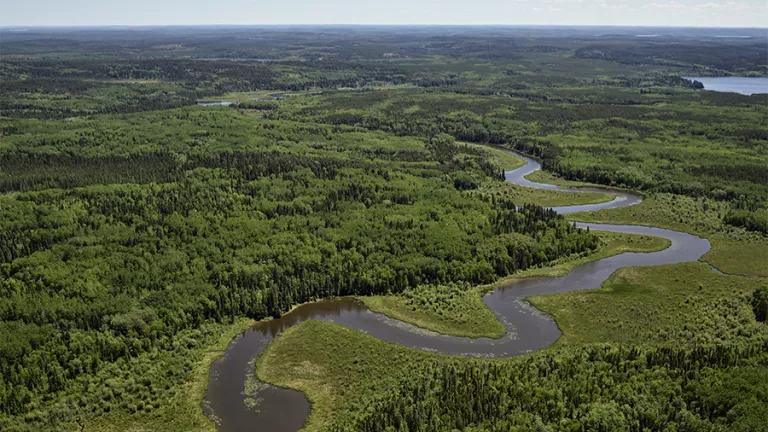
Canada
China