
What’s at stake
The importance of the world’s forests is hard to overstate. Forests cover roughly a third of all the land on earth and are home to 80 percent of the world’s terrestrial species. Healthy forests purify our air, clean our water, and store enormous amounts of carbon, blunting the effects of climate change. They can also mitigate flood risks and wildfire severity and are home for many Indigenous communities. Yet healthy forests are being logged for everything from lumber to wood pellets for biomass energy. Meanwhile, the fossil fuel and mining industries are increasingly targeting public lands for resource extraction—drilling into and cutting roads through precious tracts of wilderness, wildlife corridors, and cultural heritage sites. When these areas are degraded or destroyed, we lose so much: clean air and water, flood control, food security, disease regulation, recreational spaces, and some of our best natural defenses against the climate and biodiversity crises. With all that at stake, we must do everything in our power to hold the fossil fuel and mining industries accountable for the destruction of our forests and stand up for the rights of those who rely directly on intact forests and lands for their livelihoods and cultural identity.
How NRDC is making a difference
NRDC is confronting forest destruction head-on by litigating to protect public lands in the United States. We work to stop the companies and government incentives that often support deforestation, ensuring that policies—at all levels of government—protect forests from commercial logging and other extractive industries, as well as rejecting fake renewables, like biomass, that harm forests. NRDC also works in coalition to advance Indigenous Peoples’ self-determination on their lands.
Our nature advocates have drawn much-needed attention to the importance of protecting forests and tundra in the Global North—from Alaska’s Tongass rainforest and its vast coastal plain to Canada’s boreal—as some of the most climate-critical and threatened landscapes in the world. We’re using litigation, policy advocacy, and the power of the public to prevent oil, gas, mining, and timber industries from turning unparallelled wilderness expanses into sacrifice zones.
We are also advancing global marketplace commitments and state and federal policies to protect irreplaceable primary forests, from stopping the tree-to-toilet pipeline—in which major tissue brands exploit old-growth trees to make throwaway products—to exposing the forest biomass industry as the climate villain it is rather than the carbon-neutral energy source the industry pretends it to be. And we continue to support the urgent call (endorsed by the Intergovernmental Panel on Climate Change) to protect and restore at least 30 percent of the world’s natural areas by 2030 and to secure the healthy foundations of human society.
Latest expert blogs
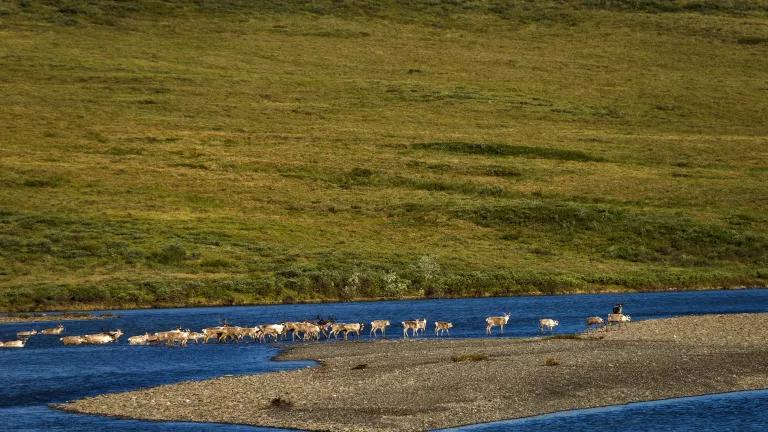
Department of the Interior Doubles Down on Public Land Sales

The World Has a Biodiversity Plan. Now We Need to Deliver It.

Trump Administration Readies the Axe for Nearly 45 Million Acres of Public Forests
Latest news & commentary

A Small Town in Mississippi Battles the International Biomass Industry

Is Bamboo Always Sustainable?
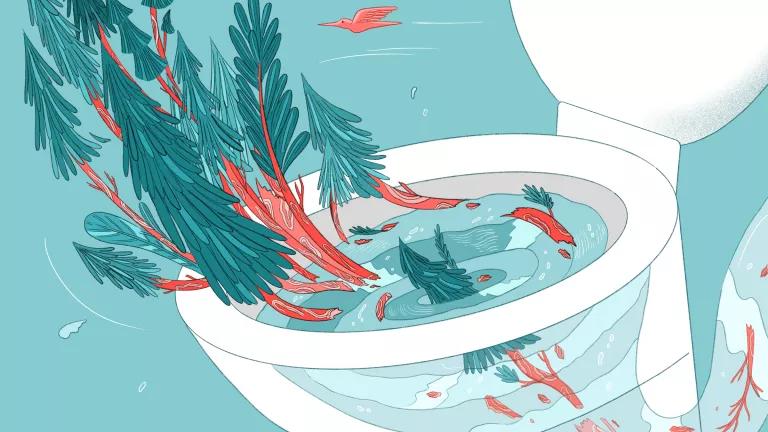
The Best and Worst Toilet Paper, Paper Towel, and Facial Tissue Brands
Latest data, reports & resources
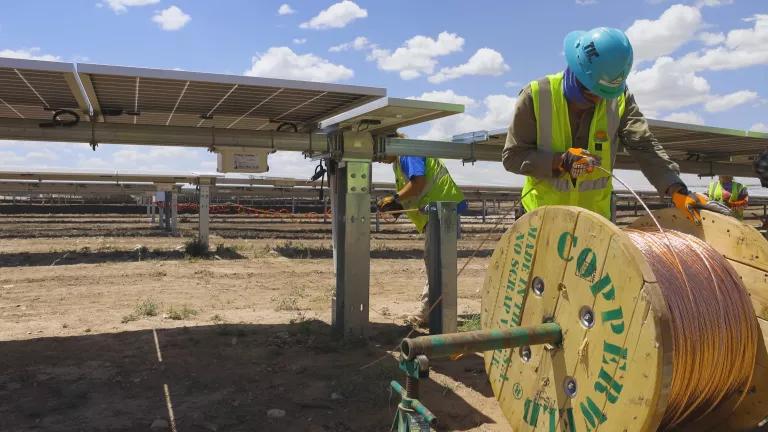
NRDC Assessment of BAAJA, the 2026 Permitting and Transmission Bill

Drax's Planned Data Center Would Burn Nearly 5 Million Metric Tons of Wood a Year

The Issue with Tissue
Latest court battles
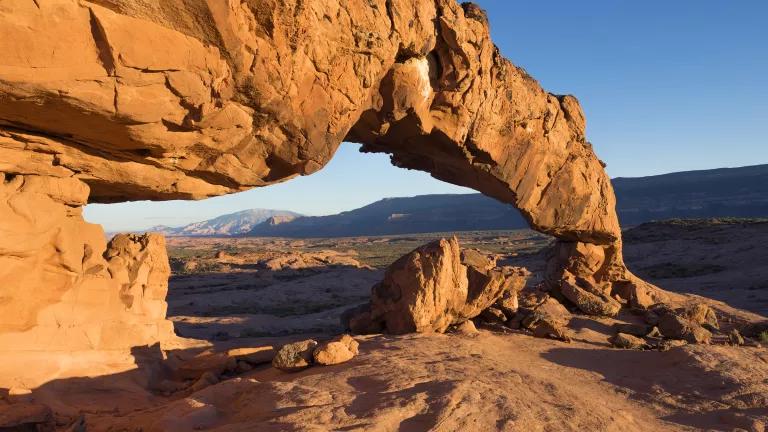
The Wilderness Society et al. v. Trump et al. (Grand Staircase-Escalante National Monument)
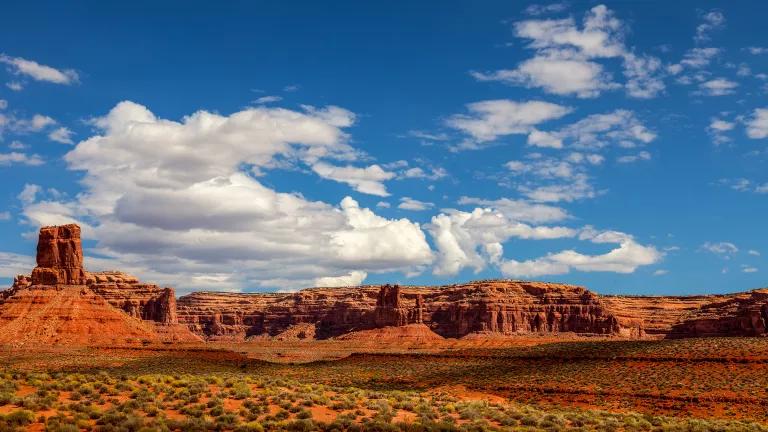
NRDC et al. v. Trump et al. (Bears Ears National Monument)

NRDC et al. v. Doug Burgum et al.
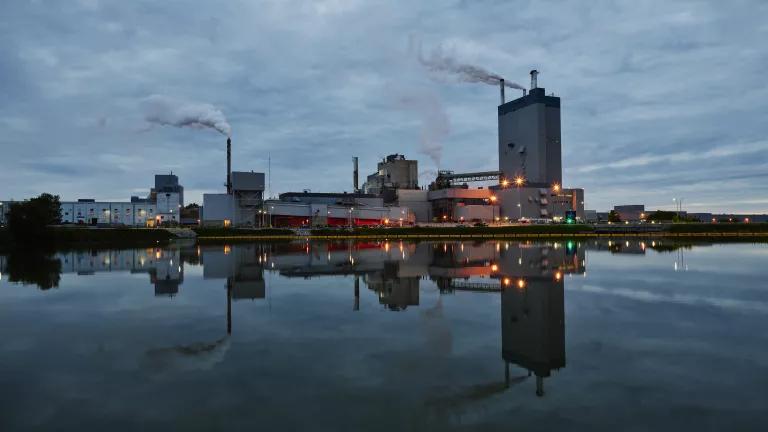
Tell Costco and Walmart to come clean on toilet paper
Two of Costco's and Walmart's paper products earned an F on NRDC's sustainability scorecard. But on top of that, the retailers refuse to say whether they profit from using a Canadian pulp mill that relies on the clearcutting of wildlife-rich, climate-critical forests, and that is actively worsening a mercury poisoning crisis.