
Arctic
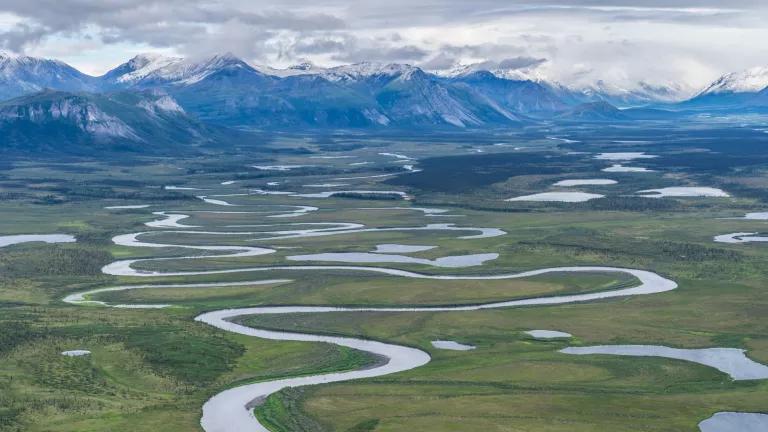
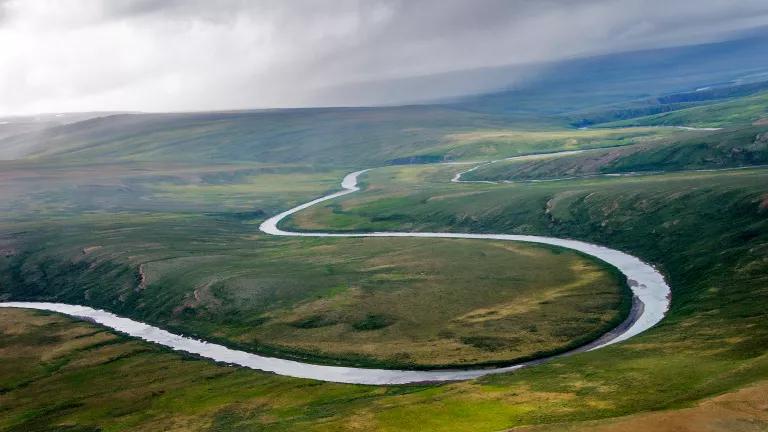
The Sheenjek River, Arctic National Wildlife Refuge
Alexis Bonogofsky for USFWS
NRDC joins forces with Indigenous peoples, scientists, and environmental groups to protect the extraordinary landscapes, majestic seas, and iconic wildlife of Alaska and the Arctic.
Special places, like the Arctic National Wildlife Refuge, are under constant threat from dirty extractive industries. With our partners, we’re fighting to permanently protect federal lands and waters from oil and gas development and other atrocious exploitation.
NRDC elevates the voices of Indigenous people whose way of life depends on the natural world, supporting them in advocacy and communications. Following the lead of Arctic residents who are already experiencing the harms of climate change and industrialization, we also support a just transition for the region toward clean energy and away from dependence on fossil fuels.
- NRDC provided the visionary leadership to secure permanent protections for 98 percent of the entire U.S. Arctic Ocean from offshore leasing for oil and gas. When President Trump unlawfully attacked that ban, NRDC and Earthjustice took the administration to court and won.
- Coordinating with scientists, partner groups, and congressional allies, NRDC has successfully worked to stave off potentially disastrous seismic surveys of the biological heart of the Arctic National Wildlife Refuge, America’s largest pristine wildland. Not only have we set the stage for successful litigation over any fossil fuel exploration or leasing in that sensitive area, but we have also helped shape legislation in Congress to bar all oil- and gas-related activity there.
- We are aggressively pursuing strategies to stop fossil fuel development in America’s largest public reserve in the western Arctic and litigating against lease sales and dirty energy exploration authorized by the Trump administration.
- Alaska’s pristine Bristol Bay watershed provides half the world’s wild sockeye salmon, supports 14,000 jobs, and generates $1.5 billion in economic activity every year. The proposed open-pit gold and copper Pebble Mine project threatens to poison the bay’s headwaters with up to 10 billion tons of mining waste. NRDC is teaming up with businesses, fishing communities, and Indigenous groups to urge investors and the Trump administration to stop this risky project.
See Our Work in Other Regions
East
Midwest
West
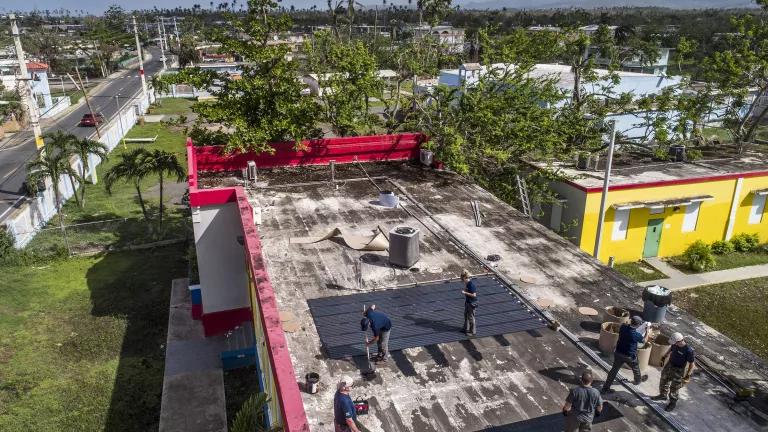
Puerto Rico
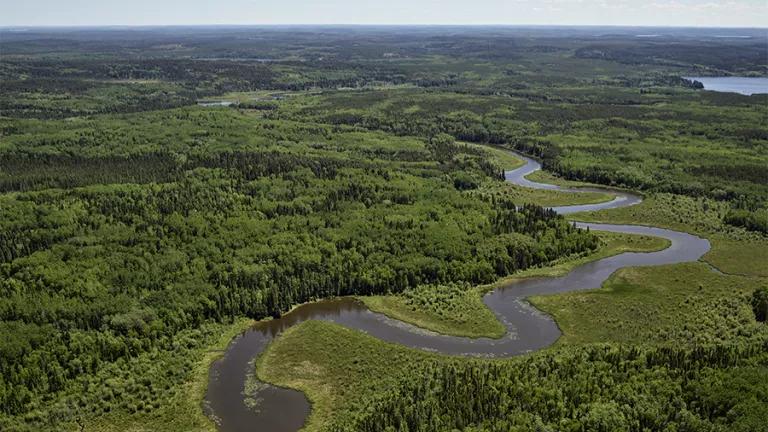
Canada

China Office

India
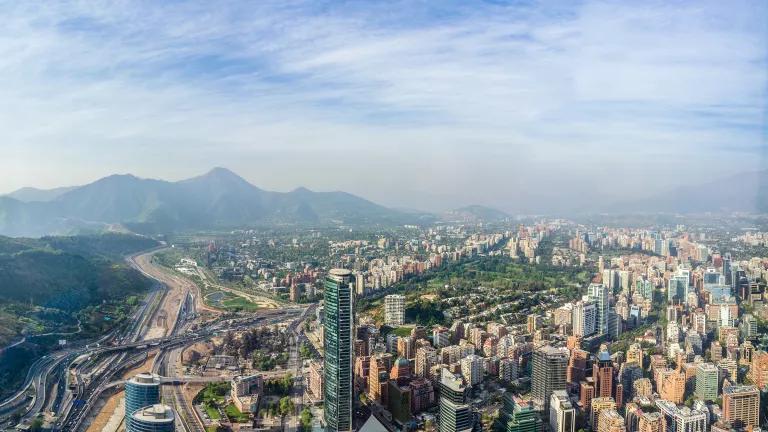
Latin America
Latest News & Commentary

Our Public Lands Are on the Chopping Block Again
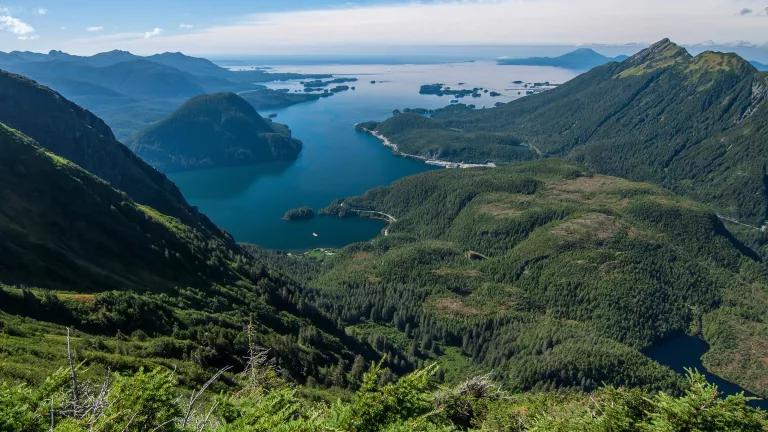
Alaska’s Tongass National Forest at Risk Once Again

Another Alarm Call from the Arctic: Its Rivers Are Turning Orange

The Arctic in Peril: The Story Behind One of TIME’s Top 100 Photos of 2025
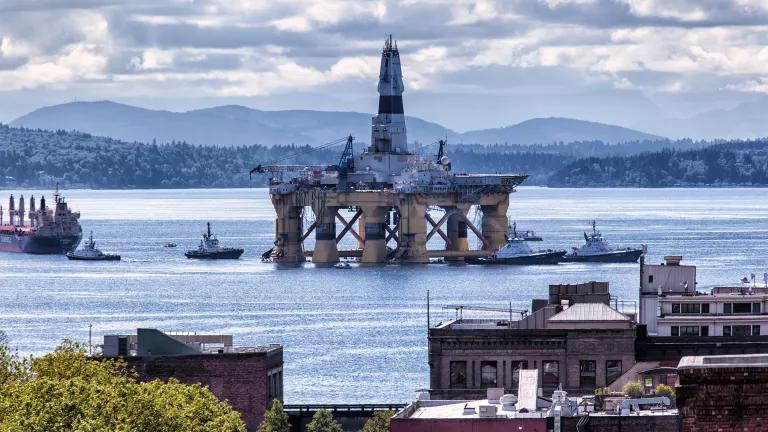
The Fight to Keep Oil and Gas Rigs Out of Our Waters. For Good.
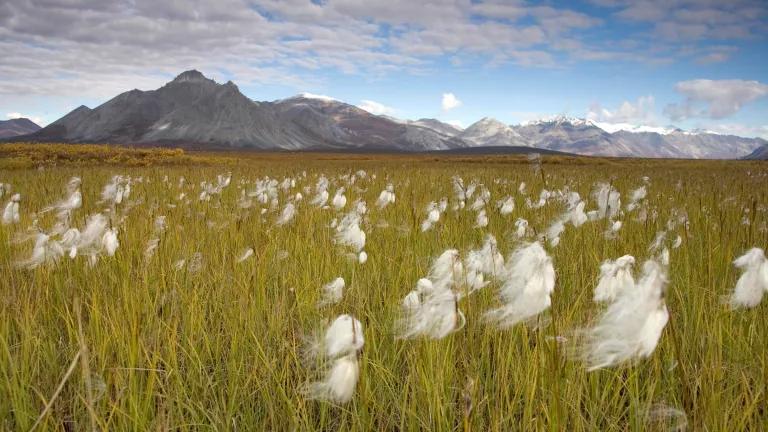
The Long, Long Battle for the Arctic National Wildlife Refuge
The Trump Administration Seeks to Undo Protections for Millions of Acres of Arctic Alaska

Victory: 28 Million Acres of Public Land in Alaska Protected

Suits Target Veto, but Pebble Mine Opposition Will Never End
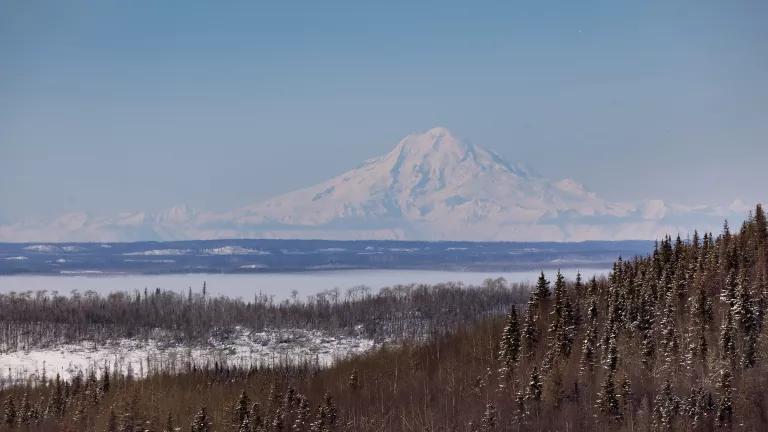
The Biden Administration Cancels Its Offshore Drilling Plan for Alaska’s Cook Inlet—Let’s Keep It Off the Books
Latest Policy Resources
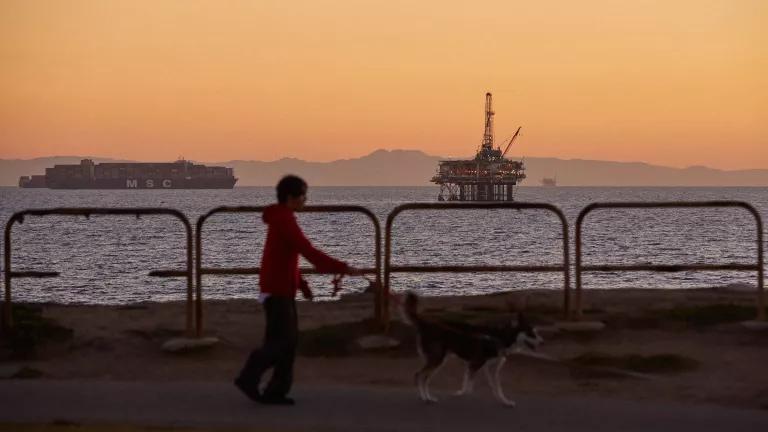
Offshore Drilling 101
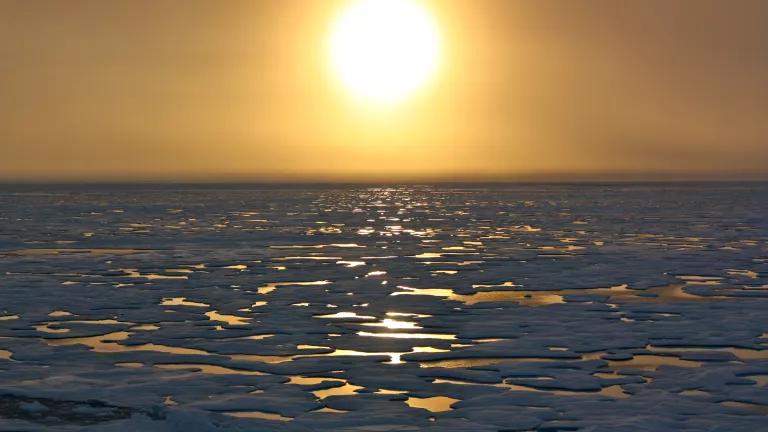
Permafrost: Everything You Need to Know
