9 Tricks That Save Tons of Water
So you’ve stopped doing half loads of laundry and running the faucet when you brush your teeth. Great! Did you know about all these other ways you can avoid wasting hundreds of gallons of water a day?
Alex Dimitrov/Getty Images
As climate change brings more intense droughts, all of us—Californian or not—should take a good look at our water habits. Consider yourself pretty frugal? You might still be wasting more than you think.
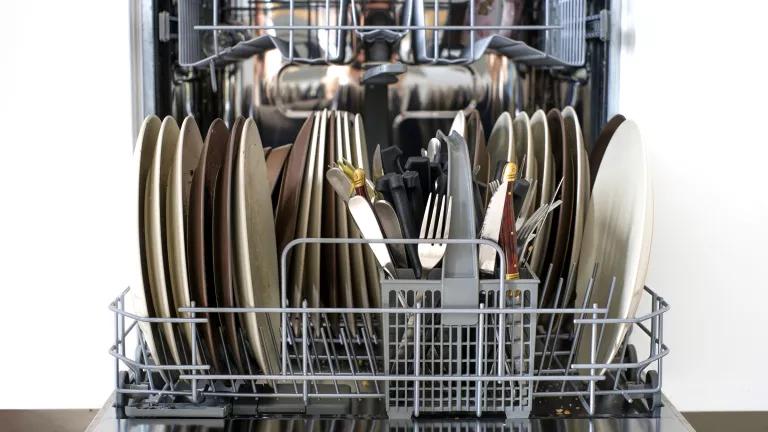
1. If you have a dishwasher, put down the sponge.
It may feel more virtuous to wash by hand, but it’s actually more wasteful: You use up to 27 gallons of water per load by hand versus as little as 3 gallons with an ENERGY STAR-rated dishwasher. And just scrape off the food scraps instead of rinsing each dish before you load it.
2. Let the professionals wash your car.
Once again, your DIY instinct is admirable...but profligate. Letting the local car wash do the dirty work could save up to 100 gallons.
3. Shower with a bucket.
Granted, it’s a little weird. But while you’re in there, you could capture a gallon or more that could be put to good use watering your plants.
4. Test your toilet.
Undetected internal leaks from tank to bowl could waste up to 100 gallons a day. Drop a dye tablet or food coloring in the tank yearly to see if the color of the water in the bowl changes color. If it does, your toilet needs a replacement rubber flapper or fill mechanism. (Your local utility might offer free tablets.)
5. Conduct regular leak hunts.
A 1/16-inch opening in your faucet could waste 100 gallons a day. Tour your home monthly, inside and out, in search of dripping faucets, showerheads, hoses, and sprinklers. Most faucet drips can be fixed simply by replacing a worn-out washer. For other tips and fixes, see the EPA’s WaterSense site.
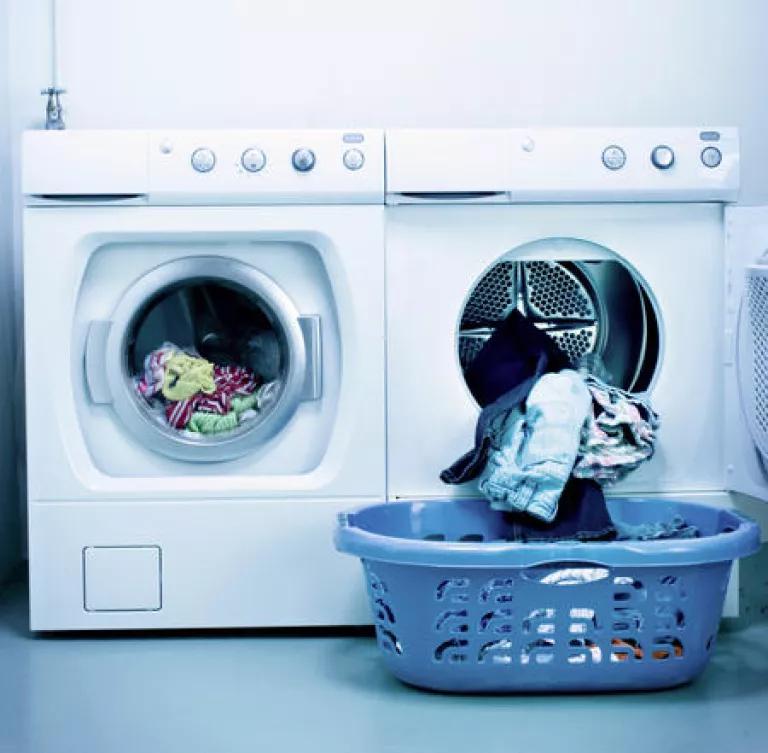
6. Invest in that new high-efficiency appliance or fixture.
Your utility company might offer rebates or other incentives when you buy new water-saving showerheads, faucets, clothes washers, or toilets. And even if it doesn’t, you’ll still wind up saving tons of money in the long run. Look for the EPA’s WaterSense label or ENERGY STAR certification.
7. Cover your pool.
And not just in the cooler months. A typical backyard pool in Los Angeles can lose some 20,000 gallons yearly just due to evaporation. For larger pools, consider a portable, roller-type device that can mechanically retract and store the cover while you’re swimming.
8. Plant a native garden.
One-third of residential water use goes toward watering the lawn and garden. But flowers, grasses, and bushes native to the area have adapted to regional rainfall rates—so require no water—and have better defenses against predators. Another bonus: Native plants foster healthy soil and insect life, which attract birds and enhance overall biodiversity. To find plants from your area, check out the Native Plant Database at the Lady Bird Johnson Wildflower Center.
9. Trick out your garden hose.
So you waste less water when you do need to use it, add an automatic shut-off nozzle to the end of your hose. You could save five gallons of water per minute.
This NRDC.org story is available for online republication by news media outlets or nonprofits under these conditions: The writer(s) must be credited with a byline; you must note prominently that the story was originally published by NRDC.org and link to the original; the story cannot be edited (beyond simple things such as grammar); you can’t resell the story in any form or grant republishing rights to other outlets; you can’t republish our material wholesale or automatically—you need to select stories individually; you can’t republish the photos or graphics on our site without specific permission; you should drop us a note to let us know when you’ve used one of our stories.
Single-Use Plastics 101
From Dams to DAPL, the Army Corps’ Culture of Disdain for Indigenous Communities Must End
Water Pollution: Everything You Need to Know