John Coletti/Getty Images
Transportation
Overview
Transportation accounts for the largest share of climate pollution in the United States and is also a major source of harmful pollutants that significantly impact public health. Globally, the transportation sector is one of the fastest-growing emissions sources and contributes 14 percent of all greenhouse gas pollution. We must transition all vehicles to zero emissions while giving people more ways to get around without a car—starting in communities that have been most impacted by transportation pollution. These efforts won’t just curb climate-warming pollution. They will also help create healthier and more resilient communities, improve affordability, and generate high-quality careers.
Solutions
We promote policies that build equity and accelerate the transition to zero-emission transportation. Here are our current priorities:
Broaden access to zero-emission electric vehicles (EVs)
We’re advocating for standards that will push automakers to give consumers more choices of zero-emission vehicles. We’re also creating more access to clean vehicles via U.S. federal tax rebates, state incentives, and other initiatives that can increase the accessibility of zero-emission vehicles. These efforts are especially critical for low-income people living in communities with poor air quality.
Strengthen U.S. federal standards to clean up the whole freight sector
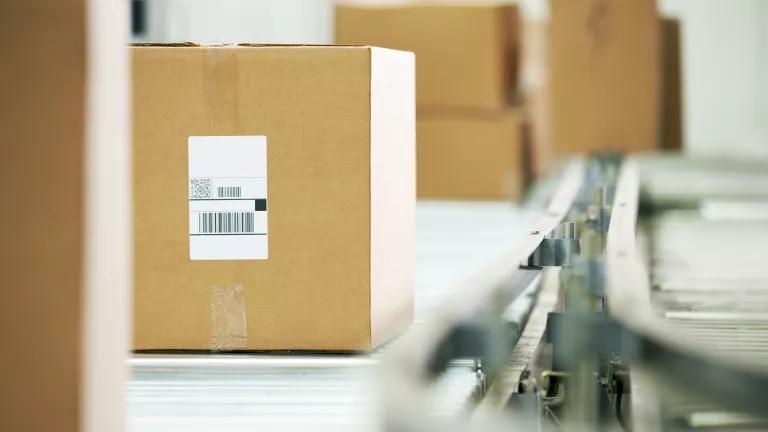
We’re working in solidarity with the Moving Forward Network to center the leadership and priorities of frontline communities most impacted by freight pollution, and accelerate the transition to zero-emission trucks, trains, ships, and cargo-handling equipment. This includes advocating for the U.S. Environmental Protection Agency to enact strong regulations for trucks and develop additional regulations to ensure a speedy transition to zero-emission vehicles in all portions of the goods movement sector.
Did You Know?
The Ports of Los Angeles and Long Beach are the largest ports in the country—and the single-largest source of pollution in the smoggy Los Angeles area. Diesel-powered trucks, ships, trains, and cargo-handling equipment spew exhaust that leads to smog and soot and contains more than 40 known carcinogens, contributing to high rates of asthma, cancer, and premature death in the communities living near the region's freight hubs and major transportation corridors.
Clean up freight and goods movement with community-led policies and litigation
We work in alignment with community-based partners to fight bad projects in U.S. courts and advance U.S. policies that address the many harms inflicted on communities—and disproportionately communities of color—who reside near ports and freight corridors, rail yards, and warehouses that are part of the supply chain. These policies include the aggressive electrification of these operations to improve air quality; land-use restrictions to prevent the proliferation of harmful projects; and investments in community benefits, such as park and coastal access, strong workforce standards, local hiring, and anti-displacement protections. We are also working with our environmental justice partners at the local, regional, state, and federal levels to advance strong regulations that mandate pollution reduction and provide benefits for environmental justice communities. Meanwhile, our related litigation efforts—which remain an opportunity to center our community-based partners and support their community organizing and power-building—have yielded some major wins in court.
Build out EV charging infrastructure
We’re partnering with associations representing automakers, utilities, labor unions, investors, and public interest groups to spur the construction of a U.S. electric vehicle charging network. In China and India, we are developing policy resources and technical recommendations to advance electric mobility and charging infrastructure so that two of the world’s largest countries can march ahead to meet their climate goals.
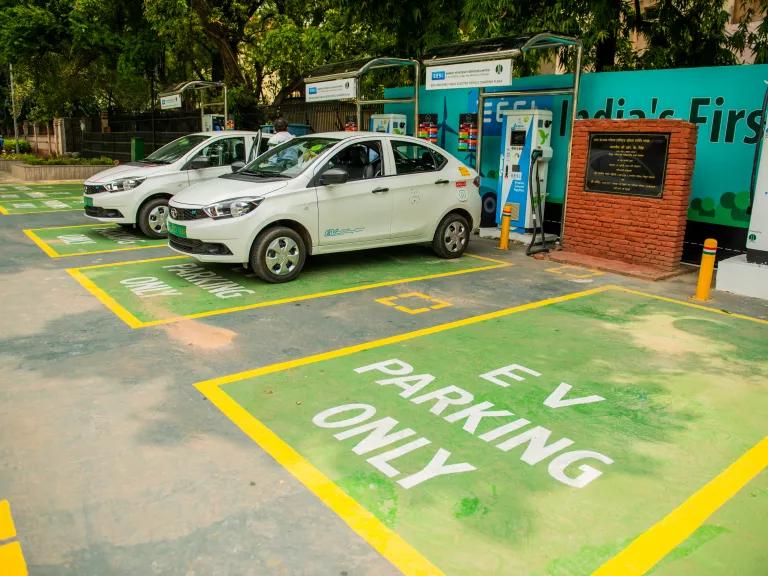

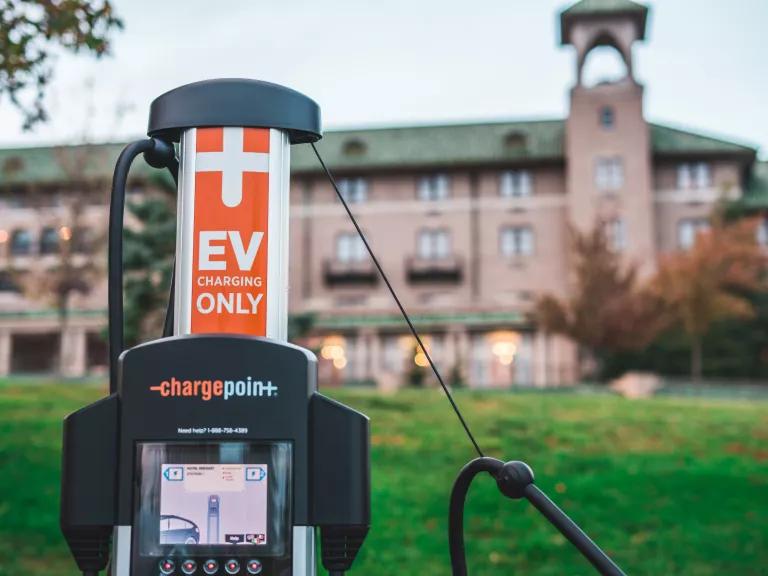
Clockwise from top left: In 2022, NRDC coordinated closely with China’s EV100 program to publish a comprehensive guidebook for integrating that country’s electric vehicle fleet—already the largest in the world and growing at a staggeringly high rate—into its grid; transportation accounts for nearly a quarter of Pennsylvania's greenhouse gas emissions, so transitioning to EVs is critical to reducing the state's health-harming and climate pollution; India plans to reach 30 percent EV sales by 2030.
Shutterstock
; 2)Alamy
; 3)Blueprint Interactive for NRDC
Boost mass transit ridership in the United States
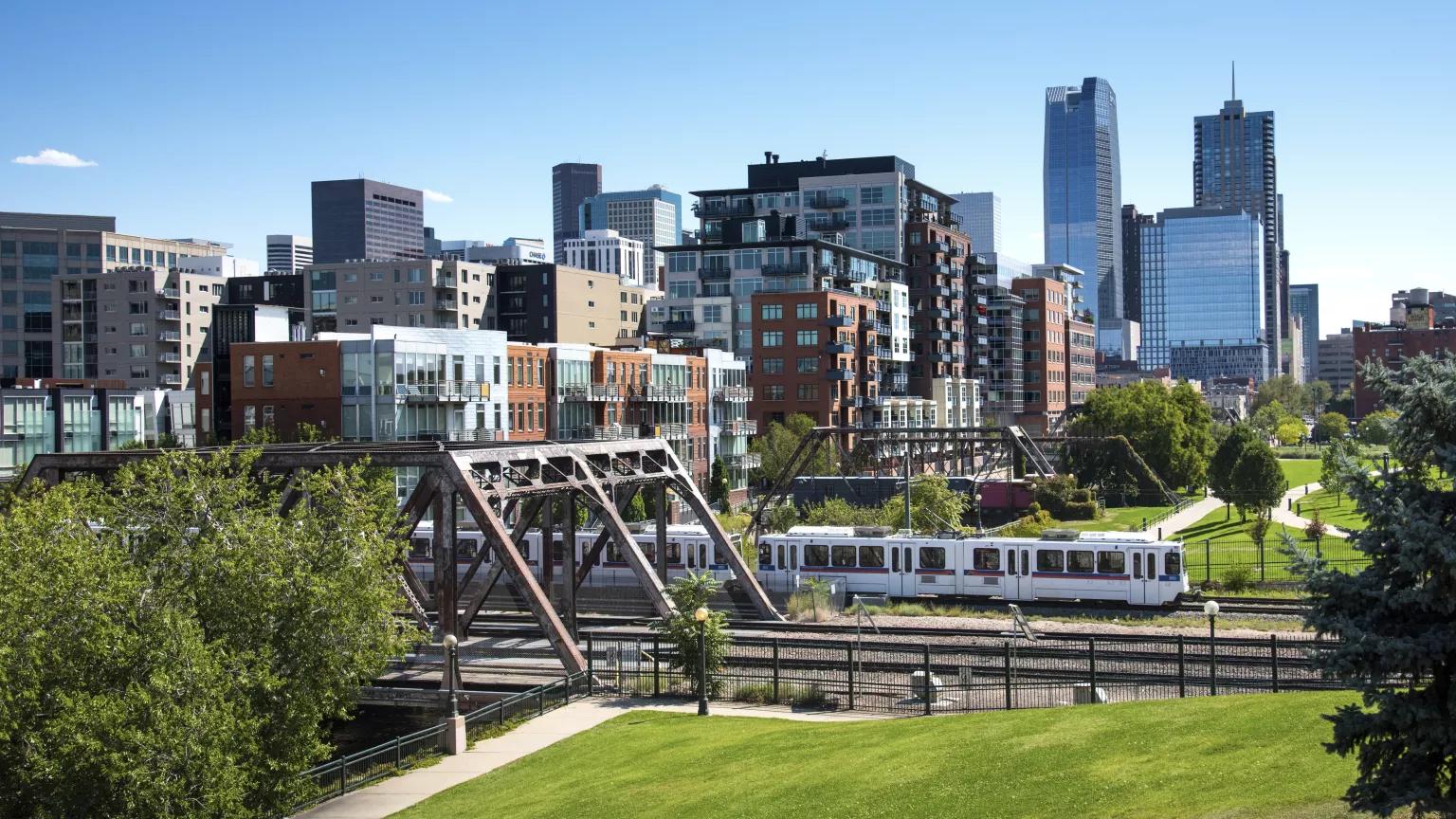
We’re supporting increased investment in public transportation at the federal, state, and local levels, including more rail lines, electric buses, dedicated bus lanes, and reliable all-day service. We advocate for equity-centered programs that encourage people to use sustainable transportation options, such as congestion pricing programs, which help generate sorely needed funding for the transit systems that many people rely on for their daily commutes.
Expand biking and pedestrian infrastructure
We’re helping U.S. communities reclaim street space through expanded bike lanes and “slow streets,” which have transformed neighborhoods into safer places to walk and bike. We are also working to make sure federal and state investments in transportation infrastructure support biking and walking to match our climate ambitions.
“This issue is about the right to breathe clean air. It’s a crisis in a lot of communities. But we now have a pivotal opportunity to eliminate diesel pollution from trucks—something environmental justice communities have been calling for for decades.”
Patricio Portillo, senior advocate, Climate & Clean Energy Program
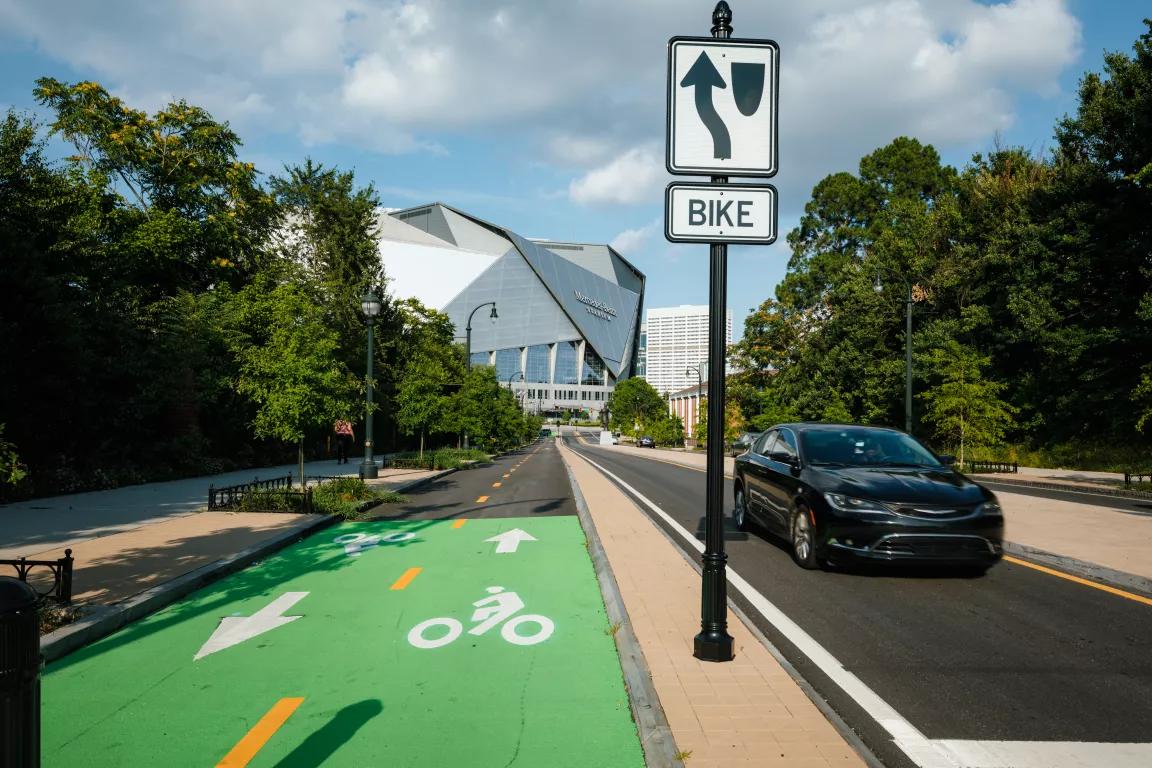
In the past few years, the city of Atlanta has been adding more protected bike lanes to better serve residents riding bikes or scooters.
Dustin Chambers for NRDC
Progress
- Eighteen states and Washington, D.C., have now adopted climate-friendly clean cars programs—collectively representing more than 40 percent of the U.S. market.
- Through the Bipartisan Infrastructure Law, the U.S. federal government is investing a record amount in public transit, nearly $100 billion, and making a major down payment of $7.5 billion into EV charging points along highways and in disadvantaged communities.
- NRDC and local partners are working to develop solutions to scale up electric mobility and charging stations across India. Our how-to manual for siting EV charging stations details a stepwise approach to ensuring the efficient and timely implementation of charging infrastructure. As a pilot project, NRDC and partners applied this framework for siting charging stations in Hyderabad, Telangana.
- Federal clean car and fuel economy standards in the United States have saved more than two trillion gallons of gasoline since 1975, enough to run every car and light truck in the United States for more than 15 years.
- The U.S. Postal Service is planning to replace the majority of its trucks—the largest fleet of government vehicles—over the coming decade. Thanks to continued pressure from NRDC and our partners, the United Auto Workers, the agency plans to increase the purchase of electric delivery trucks and go 75 percent electric for purpose-built vehicles.
- By boosting transit investment, we build a more economically and racially equitable world: More than half of U.S. riders use transit because they need to or because they want to save money, and 60 percent of riders are Black, Indigenous, or people of color.
Latest News & Resources

The High Price of Diesel Pollution

Getting Off the Gas Price Rollercoaster
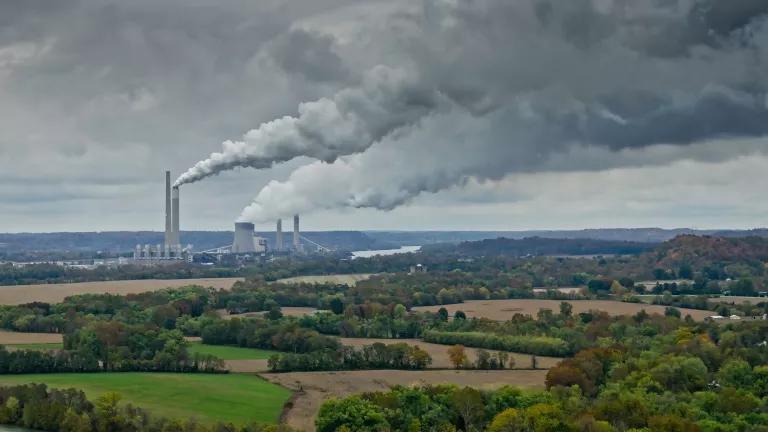
The EPA Cooks the Books in Trying to Cook the Planet

NRDC at Climate Week NYC 2026: Meeting the Moment

How EPA Rollbacks Will Cost Us—in Dollars and Lives
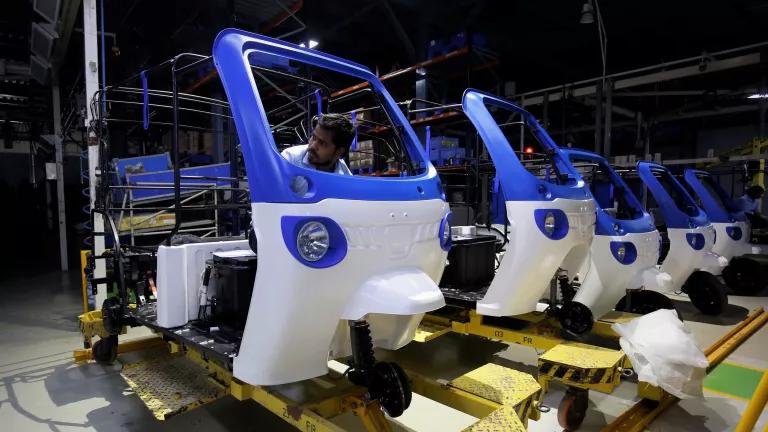
Lessons from India’s Transition to Electric Vehicles

Colorado: A National Leader in Transportation and Climate
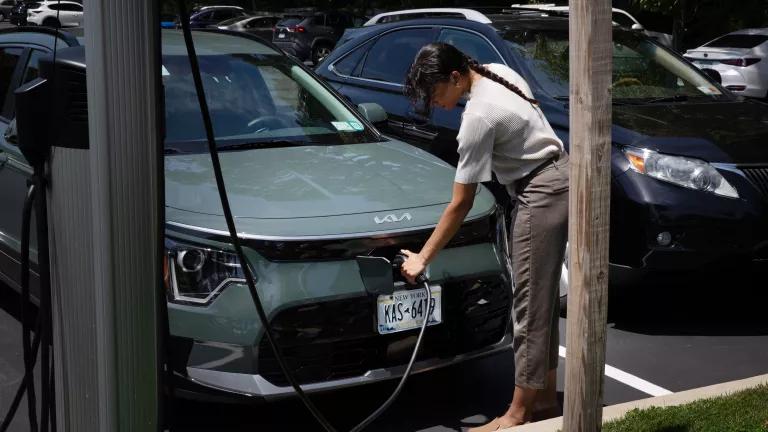
Research Suggests Auto Loans Should Account for Vehicle Efficiency
California’s Landmark Tire Efficiency Standards Are a Win for Consumers, Climate, and Public Health
The EPA Continues Pushing a Gas Guzzler Mandate
More Ways to Make an Impact

How to Ditch the Biggest Fossil Fuel Offenders in Your Life

A Consumer Guide to the Inflation Reduction Act
How You Can Stop Global Warming
Green Your School