|
The pet population is on the rise and, with it, a certain problem: how to get rid of all that poop.
I began thinking about this the other day when I found myself without a single plastic bag at dog-walking time — a crisis I had never faced before. Usually, I have shopping bags aplenty, which I justify using for my groceries on the grounds that they get a second life as poop picker-uppers. Self-serving? Perhaps. Yet what other options are there? On the hunch that you may have wondered, too, I investigated.
First, let's go over what not to do and why:
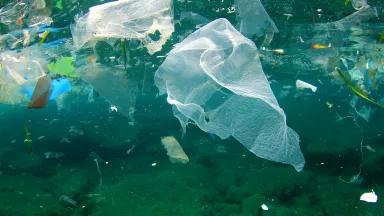
Don't leave a dog's deposits near the curb. It will get washed, via the storm sewer, into local waterways, spreading pathogens that can make the water unfit for drinking and swimming. When it decomposes, it will use up oxygen needed by fish and other aquatic life. Also, the nutrients it releases, combined with fertilizer run-off, may cause algae blooms that could make the water uninhabitable. Even if your town has a "combined sewer system" that sanitizes storm water before dumping it, heavy rains and snows can overwhelm the system, causing untreated discharges.
Oh yeah, leaving poop on the pavement is also unneighborly and, in many towns, illegal.
Don't leave it on your lawn. It may wash into the storm sewer in a rainstorm, with the consequences described above. Besides, the pathogens in the poop are dangerous to kids playing in the yard — and anyone else who comes in contact with the ground. They can also contaminate edibles growing in your vegetable garden.
Don't add it to your compost pile. The pile won't get hot enough to kill the pathogens.
Now, here are the acceptable methods of disposal:
Throw it in the trash, provided your municipality allows it. (Some towns have special disposal requirements.) A plastic bag, or two, turns out to be the best thing to wrap it in (not, thank goodness, newspaper, which can be such a trial to use with messy poops). The goal is to contain the waste in the event of a trash spill or landfill leak.
But rather than use plastic shopping bags, as I've been doing, it may be better to buy plastic doggie bags, which are smaller, and switch to reusable fabric bags for groceries.
You can even buy corn-based, biodegradable doggie bags. They won't disintegrate anytime soon in the oxygen-less conditions of a landfill (which is a good thing because of the aforementioned danger of landfill leaks), but the fact that they're made from a plant instead of oil presumably confers some environmental advantage. I say "presumably" because the corn is probably grown with chemical pesticides and fertilizers, and I don't know if the tradeoff is worth it.
Use a poop collection service to pick it up from your lawn. This is equivalent to throwing it in the trash, but someone else does it for you. How convenient!
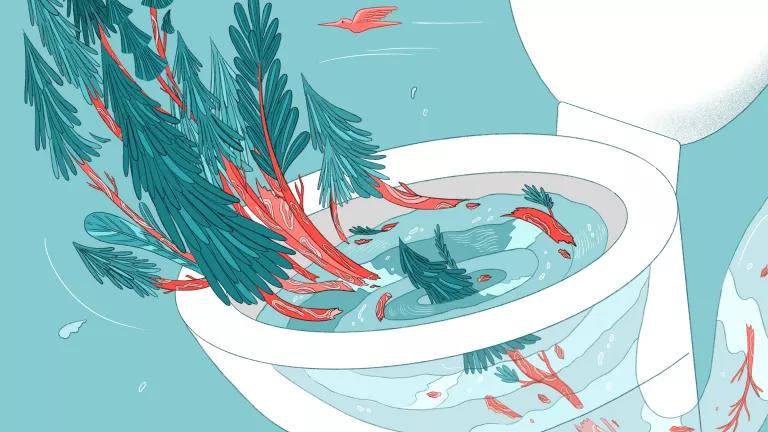
Flush dog (not cat!) poop away. One of the best ways to dispose of dog poop is flushing it down the toilet. (Cat waste is a different story -- see below for why.) If your home is connected to the municipal sewage system, the poop will be sent to the wastewater treatment plant, which will kill the bacteria and rid the water of nutrients and solids before letting it loose on the world. A private septic system will do much the same thing, but make sure yours has the capacity to handle the extra load and confirm with the manufacturer that this is an approved use.
To get the poop to the toilet, you can either use a plastic bag, which you would tie up and dispose of in the trash, or a flushable doggie bag made of soluble polyvinyl alcohol. I feel a bit uncomfortable recommending the flushable bags because the polyvinyl alcohol will end up in a body of water somewhere, and ultimately in our bodies (as it already does from other uses), but the research I've read does suggest that its toxicity is low.
Bury it in your yard. It's the natural solution. Just check that your water table isn't too high, in which case the feces could get into groundwater. Locate your holes away from any vegetable gardens, lakes, streams, ditches or wells and dig them at least five inches deep. To pick up the poop, try the biodegradable corn bags mentioned above, which can be dropped in the ground with the poop inside and covered with dirt. The microorganisms in the soil will take it from there.
Install an underground pet waste digester. This inexpensive device, also known as a doggy dooley, works like a small septic system for your pets, with a minimum of hassle for you. If I had a yard, this would be my disposal method of choice.
Now, here's the scoop on cat poop. EPA brochures and a variety of other publications say you can flush it down the toilet, minus the litter. However, research suggests that the eggs of Toxoplasma gondii, a parasite found in cat poop, may survive the wastewater treatment process and contaminate waterways. While Toxoplasma rarely affects healthy people, it can cause defects and brain damage in babies whose mothers were exposed when pregnant. Brain disease can also develop in people with compromised immune systems. In addition, Toxoplasma has been shown to harm sea otters and may affect other wildlife as well. As the eggs can last for up to a year in soil, burying cat poop is also problematic. For this reason, researchers working in the field recommend keeping cats indoors and disposing of waste and litter in the trash in sealed plastic bags.
Sheryl Eisenberg
|