
Jeremy Swanson for NRDC
Agriculture & Food
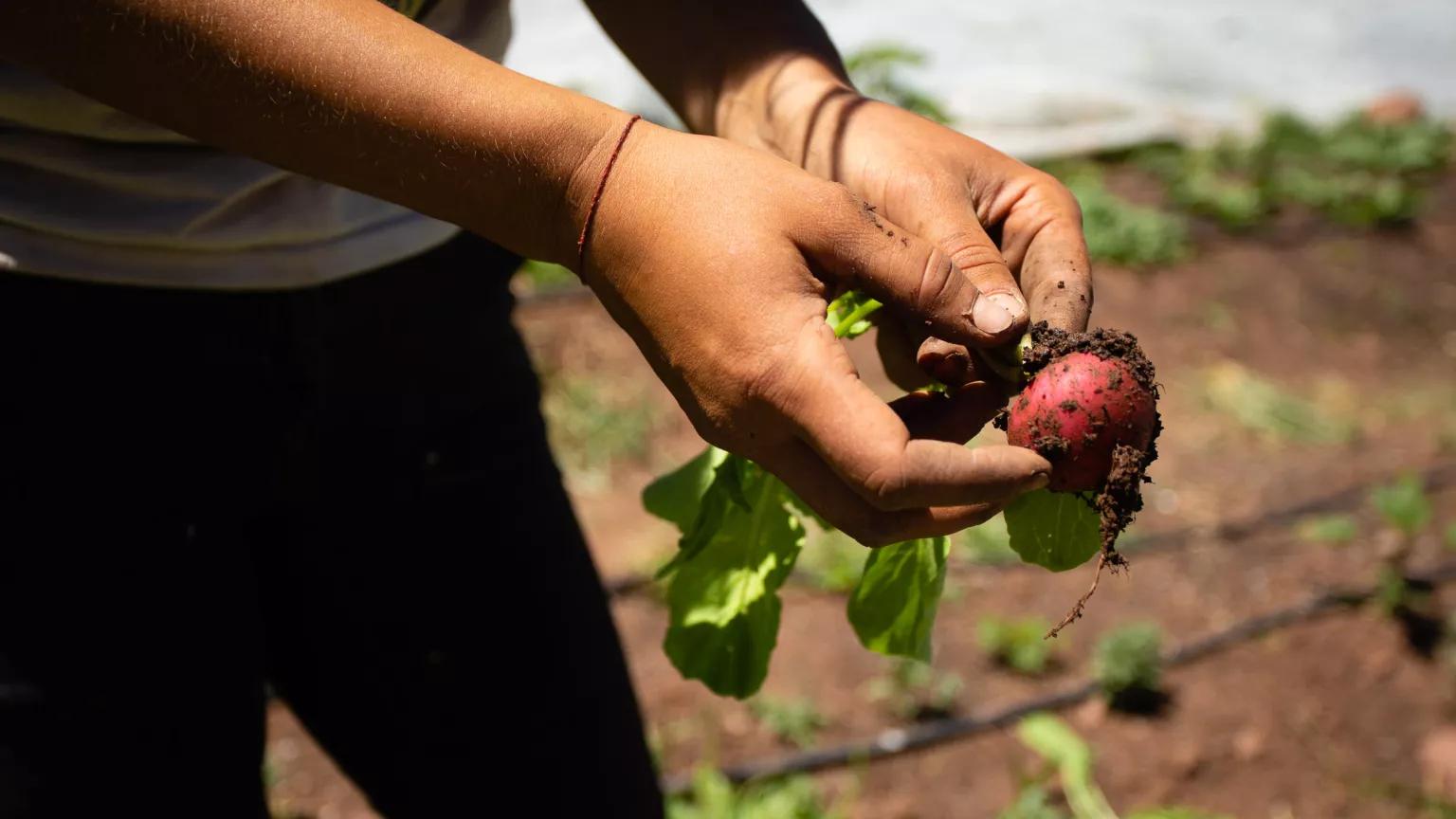
NRDC prioritizes food and agriculture in our work because improving the way we grow and use our food will have powerful impacts across our climate, biodiversity, and human health goals.
Overview
It is impossible to tackle climate change without addressing the carbon, nitrous oxide, and methane emissions from agriculture. And our overuse of pesticides, fertilizers, and other chemicals on our fields kills bees, butterflies, birds, and fish while contaminating our food, soil, and water with chemicals that harm our health. There is no silver bullet to fixing the food system, but NRDC works on some of the most powerful levers we have at our disposal.
Neonicotinoid (neonic) pesticide seed coatings now cover upward of 150 million acres of U.S. farmland every year, and just one neonic-coated corn seed has enough active ingredient to kill a quarter million bees.
One-third of global emissions stem from agriculture, including nitrous oxide, a climate pollutant almost 300 times more powerful than carbon dioxide that comes from the overuse of nitrogen-based fertilizers.
Solutions
Climate, biodiversity, and our health are all intimately linked. NRDC is dedicated to strengthening our food system, from farm to table. Here are our current priorities.
Reducing nitrogen pollution
Nitrogen is a fundamental element for plant growth, but 45 percent of nitrogen fertilizer applied to cropland ends up in waterways and the atmosphere. Excess fertilizer leaches into drinking water and harms people, degrades biodiversity through toxic algal blooms, and contributes to climate change through nitrous oxide emissions.
Our past policy work focused on removing excess nitrogen and building soil health by encouraging farmers to plant more trees, perennials, and cover crops. Now, we are pushing for policies that tackle nitrogen pollution at the source—the overapplication of fertilizers. There is a more efficient, less wasteful way to sustain agricultural productivity and protect people and ecosystems when almost half of the fertilizer applied to crops is lost to the environment. Efforts in other countries to reduce nitrogen pollution show that it’s possible to reduce overapplication and nitrogen runoff and protect agricultural economies.
Reining in destructive pesticide pollution
Bees, butterflies, and other pollinators underpin our food and ecological systems by enabling flowering plants and crops to reproduce. Yet in the past two decades, pollinators have declined dramatically, with continued losses threatening food insecurity and ecosystem collapse. Scientific studies increasingly identify neonic pesticides—one of the most potent and widely used insecticides in U.S. history—as a leading cause. Recent research also links vast neonic pollution to mass losses of birds, the collapse of fisheries, extensive water contamination, and threats to our own health, especially that of children.
Needless neonic use accounts for the overwhelming majority of the problem, so we are focused on eliminating these wasteful and destructive uses—especially the unnecessary use of neonic crop seed coatings. To do so, we use an all-of-the-above approach, harnessing our litigation tools and policy expertise, challenging federal and state regulators in court to do more, and building crosscutting coalitions to pass critical new protections at the state level, like the New York Birds and Bees Protection Act.
Did You Know?
To insects, neonics are some of the deadliest pesticides ever created. They kill indiscriminately, exterminating not only “pests” but also countless butterflies, bees, and earthworms too.
In addition, neonics can be applied directly to the soil (as a “drench”) around a plant’s roots or as a coating on a plant seed, which the plant then soaks up as it grows. That makes the plant itself—including its nectar, pollen, leaves, stems, and fruit—toxic. The problem is that only a small portion of the neonics make it into the target plant, leaving the vast majority in the soil. Once in the soil, neonics remain there for years, and rain or irrigation water can easily carry them long distances to contaminate new soil, plant life, and water supplies.
Reducing food waste
Wasting 40 percent of our food supply wastes everything: water, land, labor, chemicals, energy, even precious landfill space. Food is the single-largest material in U.S. landfills and is responsible for nearly 60 percent of landfill methane emissions, making it one of the largest drivers of climate change globally. All the while, one in seven households don’t have enough to eat, and families already strapped to make ends meet are spending about $3,000 every year on food they throw away.
To solve this problem, we need comprehensive action across all levels of government to ensure food is valued for the resource it is. NRDC is focused on advancing state-level food waste diversion policies that keep food out of landfills and incinerators. They require businesses, institutions, and sometimes residents to instead donate their surplus food and send their food scraps to be recycled; for example, through composting and using that compost to help build healthy soil. These policies cut down on harmful emissions while also boosting economic activity and encouraging increased food donations of surplus food that would have otherwise been wasted.
NRDC has been a driving force for food waste reduction since 2012, combining our strengths in research and advocacy to shift the status quo and ignite nationwide change. With the combined power of NRDC, our Zero Food Waste Coalition and Food Matters cities, and the passionate local partners around the country that we work with, we can make food waste a thing of the past.


Progress
- NRDC’s multiyear campaign work led to the passage of the landmark New York Birds and Bees Protection Act, the first law to rein in wasteful neonic coatings on corn, soybean, and wheat seeds—by far, the largest and most widespread use. The law follows a successful Canadian prescription-based model that eliminated nearly all such neonic coatings without harming crop production or causing a switch to more harmful alternatives.
- NRDC campaign work also led to the nation’s first comprehensive prohibition on needless neonic lawn and garden uses in New Jersey (the “Garden State”) and the first neonic ban on state lands in Minnesota.
- In 2025, thanks in part to NRDC advocacy, Colorado became the first state in the country to offer an incentive for farmers to switch away from using harmful and unnecessary neonic coatings on corn, soybean, and wheat seeds.
- NRDC prepared and presented a first-of-its-kind literature review to an expert panel convened by California officials that demonstrated how science-based limits on nitrogen fertilizers can improve water quality.
- NRDC co-led the Food and Farm Resilience Coalition in securing $65 million for California's Healthy Soils Program to support practices that reduce nitrogen waste through cover cropping, composting, and riparian buffers, as well as $40 million in the State Water Efficiency & Enhancement Program to expand upgrades to irrigation systems and reduce nitrous oxide emissions.
- In 2022, the Food Donation and Food Scraps Recycling Law, the New York State food waste diversion policy that NRDC championed, went into effect. A year after the law was enacted, food donation increased by 60 percent, and there was a 529 percent increase in food scraps recycling.
- In 2024, California signed into law the nation’s first mandatory food date labeling reform bill, which standardizes inconsistent date labels that had resulted in unnecessary food waste across the state. The landmark legislation was cosponsored by NRDC and will help address the six million tons of food discarded each year, which accounts for about 41 percent of California’s methane emissions.
Latest News & Resources
Overshoot Demands a New Era of Adaptation, Loss and Damage, and Climate Justice
10 Years After Kigali: What Comes Next for the Global HFC Phasedown?
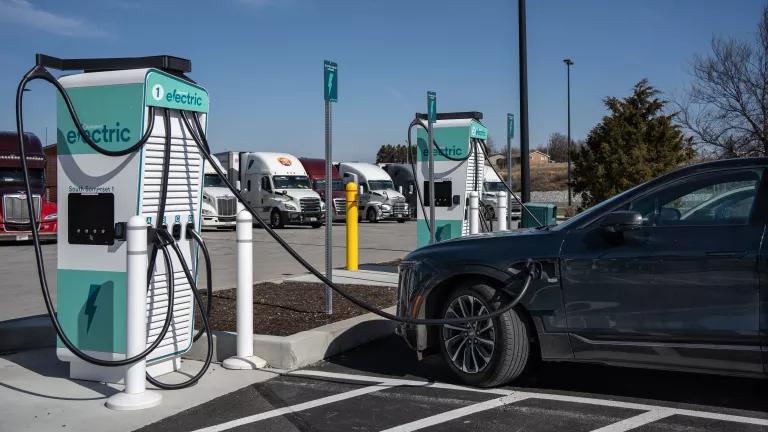
Congress Is Cutting Off Transportation Investments that Help Families Save Money
Data Center Gets Massive Tax Break in Surprise Vote by Lowndes County Commission
Inflation numbers show Trump Administration energy policies “infecting” the nation’s economy
The Trump Administration’s Pro-Cancer Agenda
Trump Administration Moves to Scrap Roadless Rule Despite More Than 1.6 Million Comments in Near-total Opposition
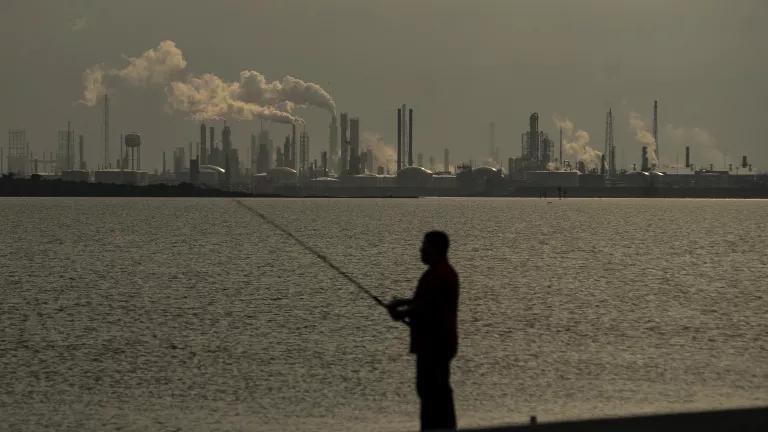
The Trump Administration’s Pro-Cancer Agenda

White House Watch: Tracking Attacks on Our Environment & Health
FERC Rejects PJM’s Plan to Protect Electricity Reliability and Consumer Bills from Data Centers
More Ways to Make an Impact
Overshoot Demands a New Era of Adaptation, Loss and Damage, and Climate Justice
10 Years After Kigali: What Comes Next for the Global HFC Phasedown?