
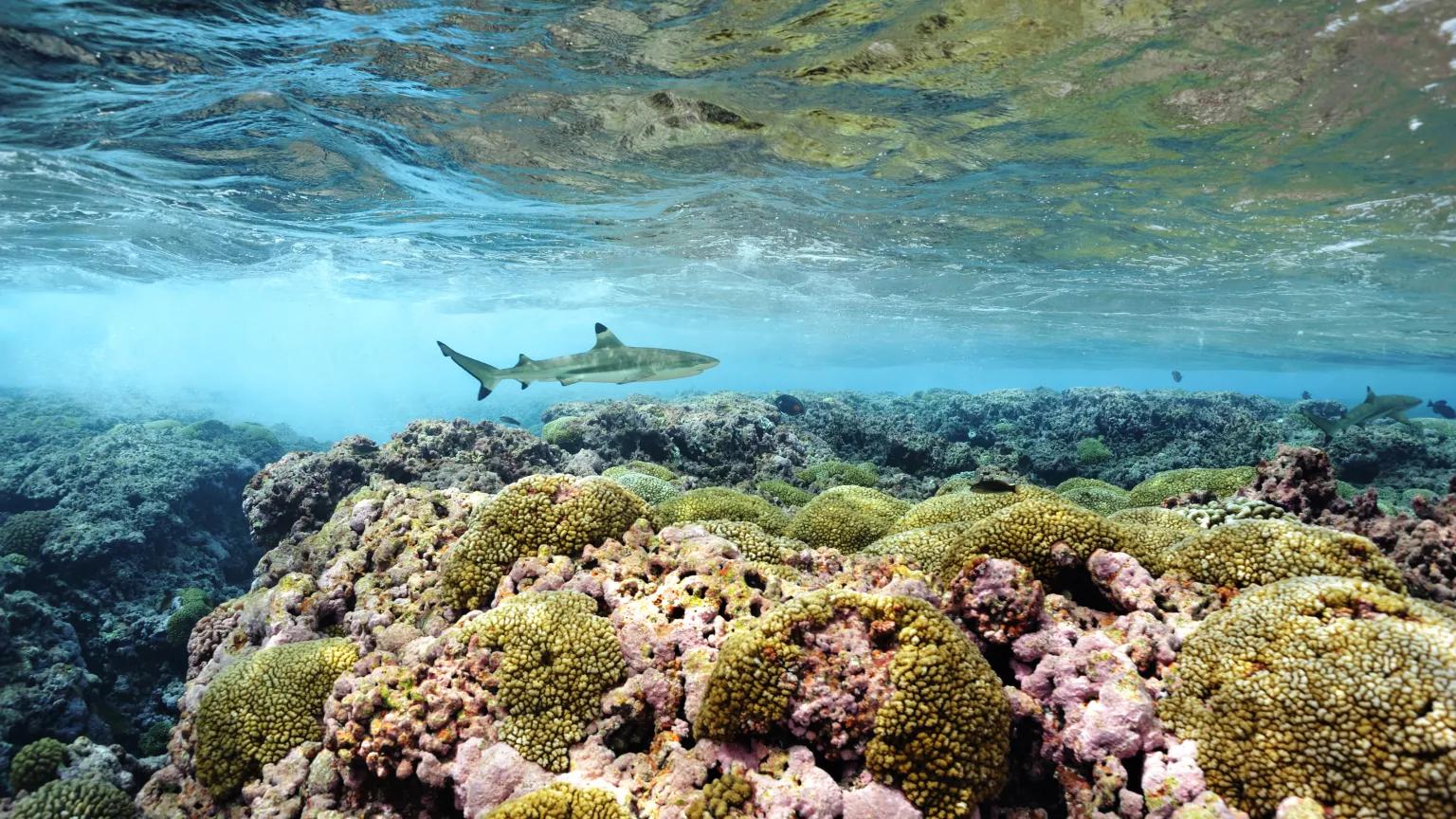
Brian Skerry
Overview
Covering more than 70 percent of the planet, our ocean helps govern the weather, clean the air, feed the world, and provide a living for millions. It is also a powerhouse for climate change mitigation, absorbing about one-quarter of the carbon we emit. But our sea is not omnipotent: It’s overfished, exploited for oil and gas, choked with pollution, and dangerously acidifying as the waters heat up. NRDC is determined to turn the tide. We fight for federal and state policies and international conservation treaties that help protect climate-critical marine ecosystems and threatened species, allow fisheries to rebound, and uplift vulnerable coastal communities.
Solutions
It will take nothing short of a highly ambitious global effort to restore fragile marine resources suffering from climate change and decades of chronic overfishing, pollution, and habitat destruction. But we know change is possible because we are making it happen. Here are our current priorities:
Promote sustainable, safe, and climate-smart fisheries
Through our participation in international treaty negotiations and in other policy-focused arenas, we’re working to ban destructive fishing practices and improve stewardship of the ocean. This includes ensuring that seafood-exporting nations worldwide adopt regulations to reduce entanglements of whales, dolphins, porpoises, and seals in fishing gear to maintain access to the U.S. market. We’re also focused on strengthening the current—and antiquated—legal regime governing fishing and other human activities on the high seas, and rooting out the human rights abuses and destructive illegal, unreported, and unregulated fishing practices that riddle the global seafood trade. This includes convening officials, scientists, and stakeholders in China to help increase traceability of catch.
Support the creation of marine protected areas
NRDC is identifying strong, durable actions necessary to protect more areas across a broad array of ocean habitats—along the U.S. coastline and beyond—to successfully reach the 30x30 goal to protect and restore at least 30 percent of the world’s natural areas by 2030, and ensure that priority areas, such as the Northeast Canyons and Seamounts Marine National Monument, remain well protected. We are also supporting the work of Chinese governmental agencies, research institutions, and local NGOs in strengthening the country’s network of marine protected areas through international case sharing, technical support, and policy advocacy.
End offshore drilling in the United States
With our ocean wildlife, coastal communities, and climate under threat from fossil fuel exploitation, NRDC opposes continued oil and gas development along our coastlines. Our work is particularly focused on Alaska and the Gulf of Mexico, two seascapes that are treated as sacrifice zones for the country’s dirty and dangerous oil and gas addiction, even as they are experiencing some of the most profound effects of climate change.
Did You Know?
The “high seas” technically begin when you sail beyond the waters under the control of a nation-state, about 200 miles from the coastline. Informally, the high seas, an area covering nearly half the planet, are a place of loose regulation and lax enforcement—the marine equivalent of the Wild West.
Prioritize responsible offshore wind energy development
We’re providing technical guidance to help develop this burgeoning renewable energy industry, which can help address climate change, reduce local and regional air and water pollution, and support thousands of well-paying jobs. While the need for this transition is becoming more urgent, we are also lobbying federal and state agencies to establish robust standards for sustainability, and seeking to ensure that all offshore wind in the United States is developed in a way that minimizes impacts on vulnerable marine species and ecosystems.
Reduce ocean noise pollution
Industrial noise in our oceans is highly disruptive to marine mammals and commercial fish stocks alike. For more than 20 years, NRDC has litigated, lobbied, and developed cutting-edge policies to reduce this far-reaching form of marine pollution. We are working across many sectors, both here and internationally: defending the Gulf of Mexico, Atlantic Ocean, and Arctic from the oil and gas industry’s use of seismic airguns, which blast the ocean about every 10 seconds for weeks and months at a time; campaigning to protect important habitat from military sonar and explosives training; and advancing toward the global regulation of shipping noise through the International Maritime Organization.
“To play with our families under the warm sun, beside the crashing waves. To wonder at the horizon and imagine the varied sea creatures swimming deep below the waves. Our oceans are cause for celebration, even when it may be difficult to celebrate.”
Sarah Chasis, senior strategist, ocean division, Nature Program
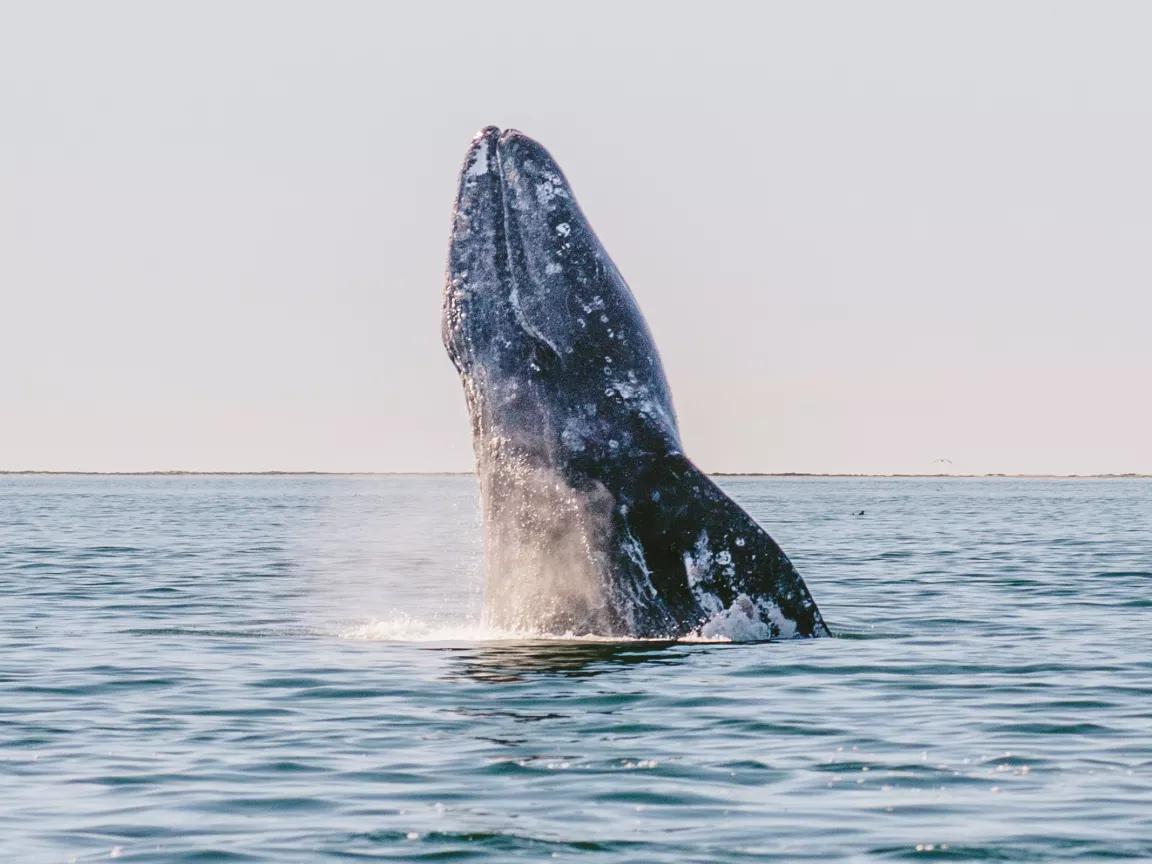
NRDC helped lead the fight to keep industrial development out of Mexico’s pristine San Ignacio Lagoon, home to Pacific gray whales.
Heidi Zumbrun for NRDC
Progress
- The culmination of more than a decade of negotiations, in 2023, a significant majority of nations at long last agreed on language for a historic United Nations treaty to preserve biodiversity throughout the high seas. NRDC’s Oceans team persevered through five failed attempts by the U.N. to reach an accord before arriving at this agreement, which lays the legal groundwork for the establishment of large-scale, fully and highly protected marine protected areas and provides tools to protect ocean ecosystems and improve the management of industrial activities such as high seas fishing, shipping, seabed mining, and other damaging activities
- Each year, more than 650,000 whales, dolphins, and other marine mammals are caught and killed in fishing gear around the world. But under a recent U.S. regulation, fishing operators that export fish to the United States are required to meet the same marine mammal protection standards—such as fisheries closures, gear modifications, and tracking requirements—that are applied to U.S. fisheries.
- In 2022, in a major step for global shark conservation, the parties to CITES (the Convention on International Trade in Endangered Species of Wild Fauna and Flora), increased protections for more than 50 species of requiem sharks and 6 more species of hammerhead sharks by listing them on Appendix II, so that trade in those species will now be regulated throughout the ocean. The global trade in shark fins has devasted shark populations around the world.
- In 2023, the U.S. Environmental Protection Agency finally issued strong, durable, and comprehensive protections that will definitively safeguard the headwaters of Bristol Bay from the development of the Pebble Mine. Opposition to the project—which would put the region’s world-class wild salmon fishery and Indigenous People’s ways of life at risk—is supported by 80 percent of Bristol Bay's population. Over the years, that support has only grown, spreading to the Lower 48 states and around the world.
More Ways to Make an Impact
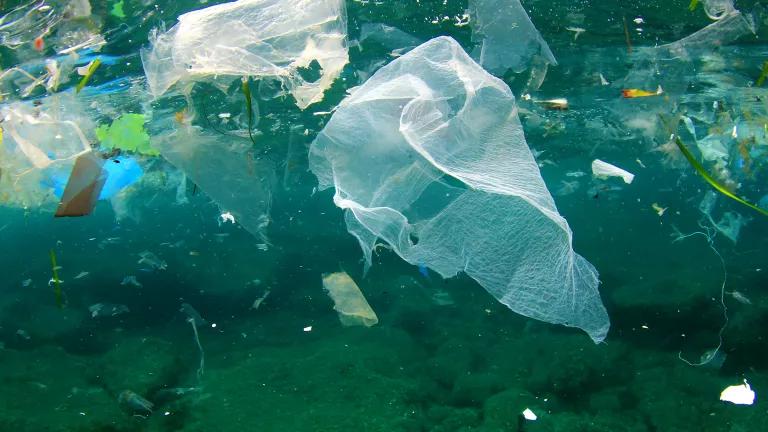
10 Ways to Reduce Plastic Pollution

The Smart Seafood and Sustainable Fish Buying Guide

How to Become a Community Scientist
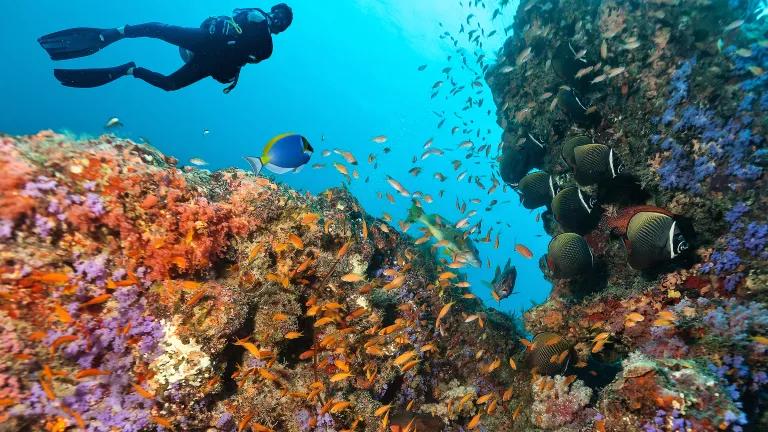
Go Green in Margaritaville: Eco-Friendly Beach Vacation Tips
Latest News & Resources

LNG in the Aquarium of the World: A Direct, Existential, and Unacceptable Risk

Managing Offshore Wind in the Face of Uncertainty

NRDC at Climate Week NYC 2026: Meeting the Moment

California Decides on Marine Protected Areas This Fall

California Crab Fishery Leads the Way in Pop-Up Fishing

Political Control of Research Funding Threatens Sound Science

A Snorkeler’s-Eye View of the Gulf of California

From Whales to Walruses, Sea Mammals Are Under Attack—and So Is the Law That Protects Them

High Risk, Heavy Toll

Blue Whales Ply the Northeast Canyons and Seamounts; Industry Could Soon Too
Anti-environmental Congress members want to gut marine mammal protections and research.
Write to Congress to keep our waters safe for dolphins, whales, seals, and other ocean life from these unprecedented attacks!

Tell Congress to keep our waters safe for dolphins, whales, seals, and other ocean life!
Anti-environmental members of Congress are trying to gut life-saving marine mammal protections and research—all to pave the way for corporations to get richer while polluting our waters where imperiled wildlife live. Urge your members of Congress to protect ocean life before it's too late.


