
Overview
By now, it’s broadly acknowledged that at least a million animal and plant species face extinction—many in mere decades—if people don’t force governments and industries to clean up their act. Half a million terrestrial species lack enough habitat to survive. And marine species are disappearing from their habitats at twice the rate of those on land. Of course, humans don’t exist independently of nature. A million pending extinctions is a huge threat to our own existence on this planet. We must continue to fight for wildlife.
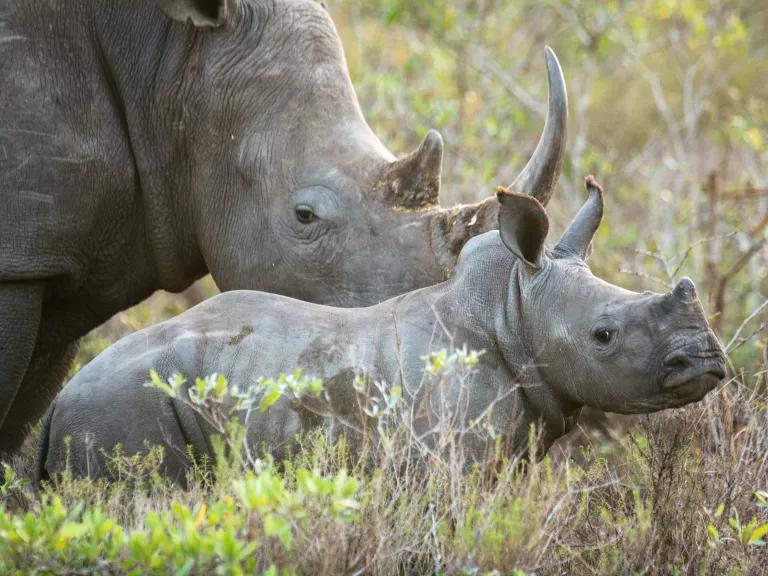
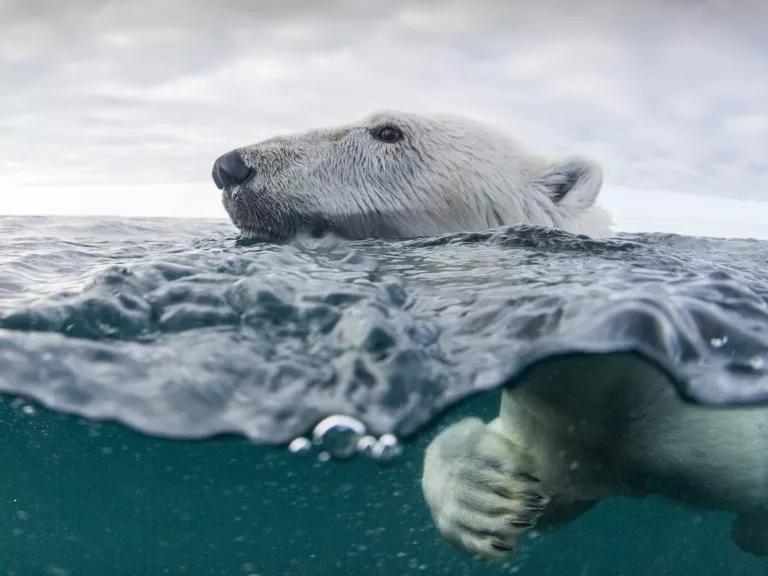
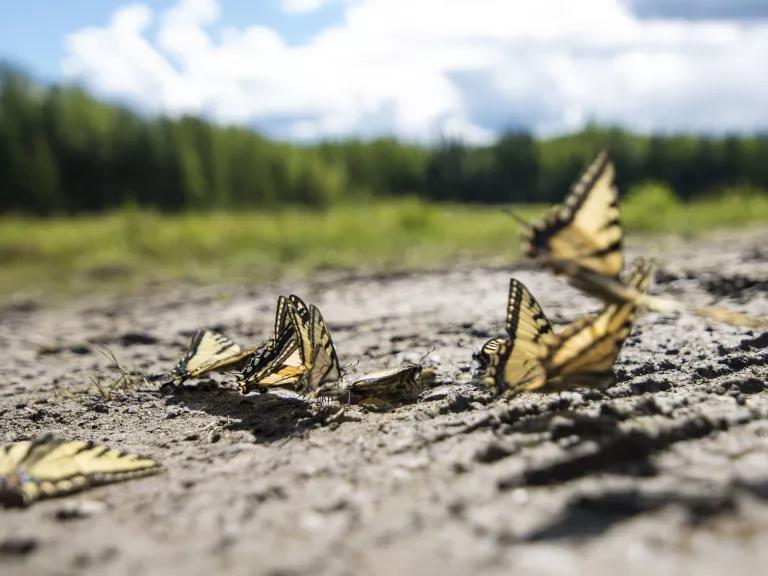
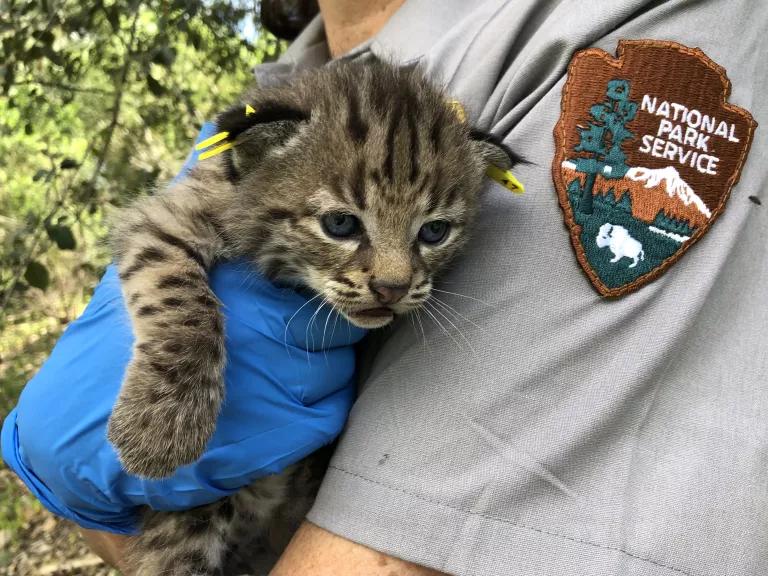
Clockwise from top left: Countless examples of species have been decimated by the wildlife trade, including rhinos; the climate crisis is destroying the habitats of species around the globe, like polar bears; extreme weather driven by climate change, such as more frequent and intense wildfires, are not only impacting communities but also wildlife, like this newly born bobcat found after the Woolsey Fire destroyed numerous bobcat dens in the Santa Monica Mountains; loss of habitat, climate change, and the heavy use of toxic herbicides have put monarch butterflies on the IUCN Red List of threatened species.
Peter DiCampo for NRDC
; 2)Paul Souders/Getty
; 3)NPS
; 4)NPS
Solutions
By protecting wildlife and their habitats, we simultaneously preserve ecosystems that all living things depend on and build resilience to climate change. Currently, NRDC is prioritizing these conservation goals.
Protect and connect wildlife habitats
We are calling on leaders at the state, federal, and global levels to adopt strategies that will protect at least 30 percent of the ocean and 30 percent of land areas and inland waters by 2030. This is our best chance at providing safe havens for threatened wildlife. We have identified key focal areas where conservation can make the most impact—including habitats that shelter keystone species that play pivotal roles in how their ecosystem functions, such as beavers (ecosystem engineers) or tigers (a top predator). We are also helping to shape policies to make sure these protected areas are effectively and equitably managed. A key aspect of this work is ensuring that states, tribes, and communities have the resources and tools they need to restore struggling populations and minimize conflicts with wildlife, including grizzly bears and wolves.
Strengthen policies devoted to threatened and endangered species
Given the remarkable track record of the Endangered Species Act (ESA) in protecting the wildlife on its lists, we cannot allow the law to be weakened by business interests and lawmakers who place short-term economic gain above long-term conservation efforts. And on the global stage, we must continue to hold leaders accountable for delivering on the targets set at events like the Convention on International Trade in Endangered Species of Wild Fauna and Flora (CITES) and the U.N. Biodiversity Conference.
Did You Know?
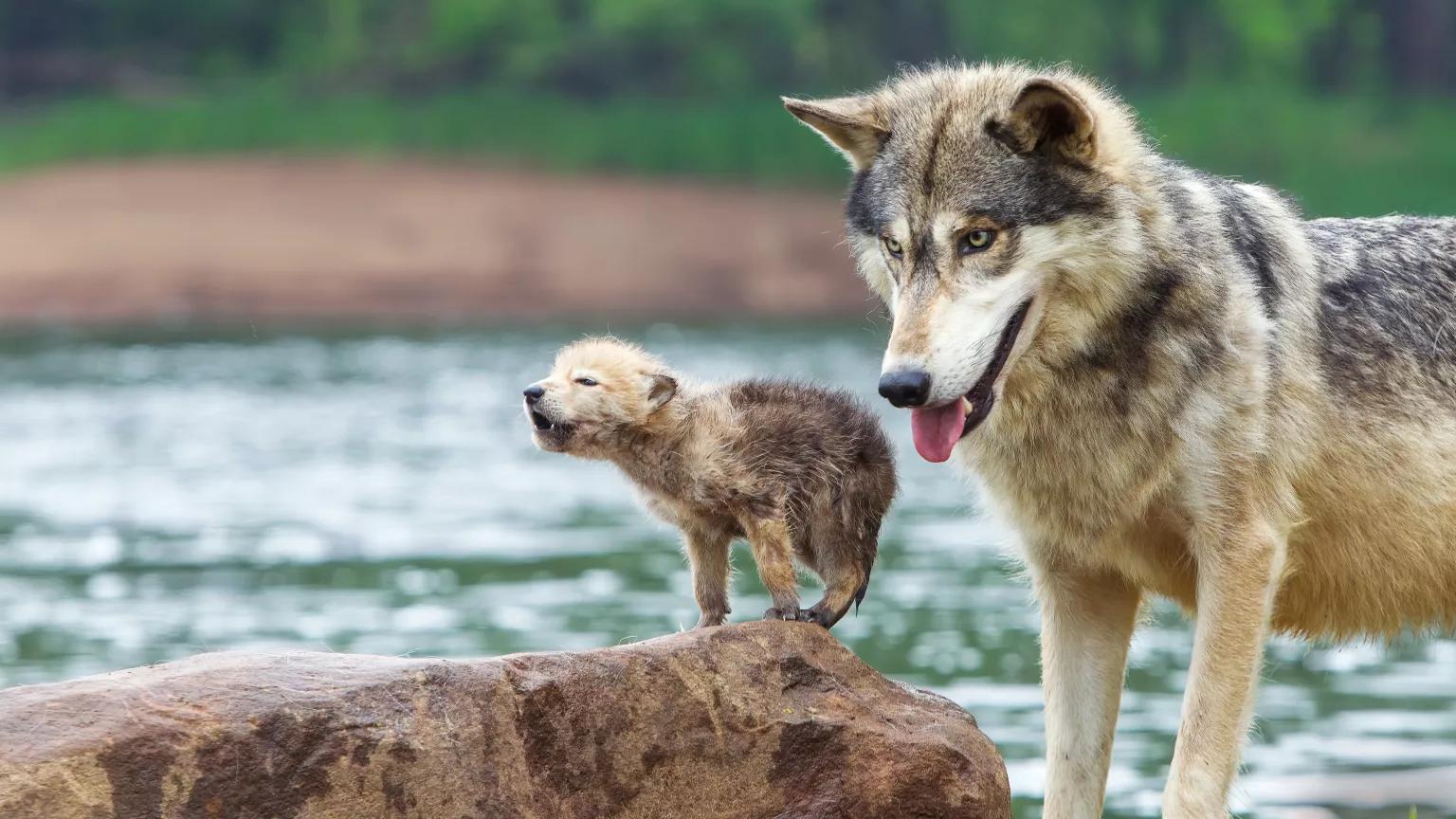
Research shows that wolves help mitigate the impacts of climate change by keeping populations of herbivores like deer and elk in check—indirectly keeping a landscape’s vegetation in good health and providing habitat for a diversity of species, such as songbirds and beavers.
Rein in wildlife trade
The trade and overexploitation of wild plants and animals is the second-biggest threat to the terrestrial biodiversity of our planet, following habitat loss. In marine ecosystems, this direct exploitation is the biggest threat. We are fighting for imperiled species in a variety of ways, including by supporting state efforts to limit trade, advocating for policy changes—like domestic ivory bans and laws that make it easier to prosecute wildlife traffickers—and providing recommendations to China on revisions to its wildlife law. By adopting laws that can curb poaching, trophy hunting, overfishing, and the spread of zoonotic diseases, we’ll limit the risk of future pandemics and prevent a collapse of the complex web of life that sustains us all.
Protect pollinators—and our food supply
The bees, butterflies, birds, and bats that pollinate many of our fruits, vegetables, nuts, and most wild plants are dying in record numbers. If these losses continue, whole ecosystems will suffer. Many of our healthiest (and most delicious) foods will become scarce, and costs will rise—hitting low-income communities and communities of color the hardest. We’re working to clamp down on one of the biggest threats to pollinators: rampant and reckless pesticide use. In particular, we’re pushing to rein in the use of neonics, the most widely used insecticides in the United States and the most ecologically destructive pesticides since DDT. We’re also supporting efforts to expand regenerative agriculture practices, such as diverse crop rotations and other techniques that can eliminate the need for toxic chemicals on our farms.
Ensure a future for salmon
Salmon have provided sustenance and economic opportunity for millennia in the Pacific Northwest and remain a sacred part of the region’s cultural heritage, particularly for Indigenous People. But climate change, habitat destruction, and other threats jeopardize their future. By preventing the industrial exploitation of Alaska’s Bristol Bay and advocating for dam removal in the Columbia River Basin, we’re seeking to restore not just a fish and not just the health of critical ecosystems, but also cultures at risk of extinction themselves.
“We need to end, halt, stop forever human-caused extinctions. It’s our moral imperative, and it means that globally we need to agree to do everything in our power not to let a single other species slip into oblivion.”
Zak Smith, attorney & director, global biodiversity conservation, Nature Program
Progress
- To help meet the biodiversity goals adopted by the Parties to the United Nations Convention on Biodiversity in late 2022, funding for conservation will now increase to at least $200 billion annually by 2030, with $20 billion to $30 billion going directly to lower-income countries. The advancement is a testament to the perseverence of key players from the Global South, including Niger and other member nations of the Economic Community of West African States, which are leading the fight for equity in financing and comprehensive solutions to the biodiversity crisis.
- In November 2020, the U.S. Fish & Wildlife Service (USFWS) finalized a rule that stripped gray wolves of federal ESA protections, citing its “successful recovery.” In actuality, these animals remain absent from much of their historic range across the country. In response to the delisting, NRDC and our partners took the USFWS and the U.S. Department of the Interior to court and, in February 2022, a judge restored protections for gray wolves across 44 states. The victory represents a critical moment for conservation and is the most recent in a series of important steps meant to ensure the gray wolf truly recovers.
- In December 2022, the USFWS finally listed the whitebark pine—which grows on mountaintops in much of western North America—under the ESA, citing climate change as the cause of its decline. The decision came in response to NRDC’s 2008 petition to the agency, at which time studies showed 80 percent of whitebark pine forests in the Greater Yellowstone Ecosystem to be either dead or dying.
- China’s new Kunming Biodiversity Fund of approximately $232 million takes a step toward addressing the significant gap between what world leaders currently spend on protecting and restoring nature and what’s necessary to secure the natural world for future generations.
- What started off as a tentative partnership between NRDC and Montana Wildlife Services has grown into an effective effort to promote coexistence between people and wildlife in Montana—home to wolves, grizzly bears, and other keystone species. NRDC and partners have helped Wildlife Services develop new positions dedicated to nonlethal conflict prevention and coexistence work, and the agency has expanded the initiative across a dozen other states, including California, Colorado, Idaho, Minnesota, and Oregon.
- We helped pass a bill in New Jersey to reduce neonic pesticide pollution—a leading cause of bee and pollinator losses—by 70 to 80 percent, and we’re currently working on similar bills in California and New York.
More Ways to Make an Impact
10 Ways to Reduce Plastic Pollution

How to Become a Community Scientist
Colony Collapse Disorder: Why Are Bees Dying?
So You Want to Be a Beekeeper...Or Just Be There for the Bees

24 Green Projects to Tackle Now

How to Turn Your Patch of Earth From Barren to Bountiful
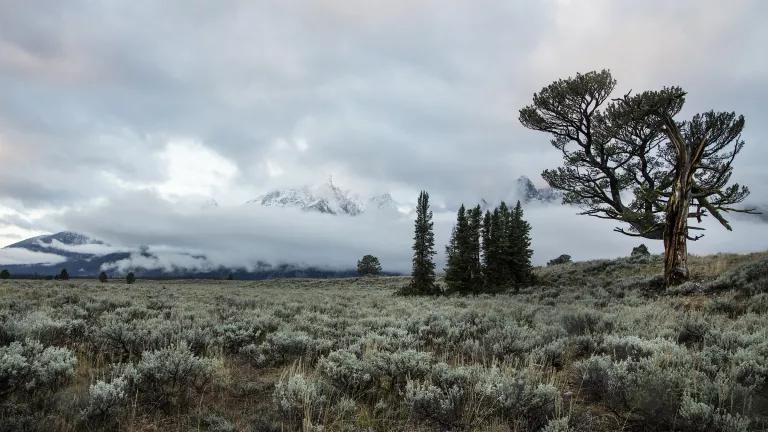
The Hiker’s Guide to Leaving No Trace . . . and in One Piece
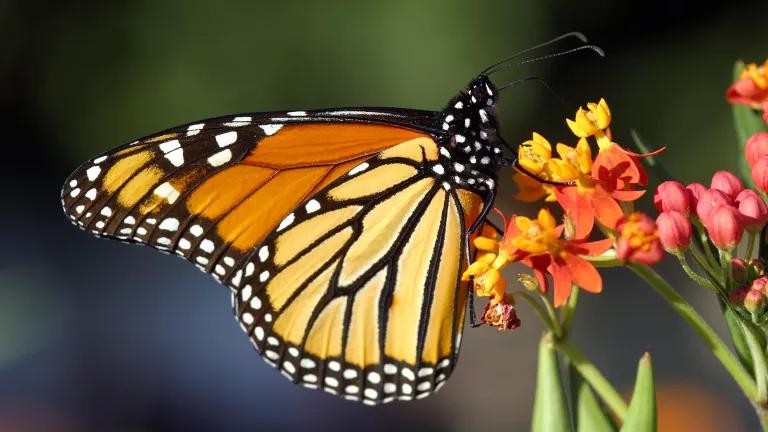
8 Ways to Attract Bees and Butterflies
Latest News & Resources

Trump Administration Readies the Axe for Nearly 45 Million Acres of Public Forests

LNG in the Aquarium of the World: A Direct, Existential, and Unacceptable Risk

California Crab Fishery Leads the Way in Pop-Up Fishing

Our Public Lands Are on the Chopping Block Again

Minnesota’s Water Quality Wake-Up Call

Alaska’s Tongass National Forest at Risk Once Again

BLM Moves to Subsidize Dirty Drilling, Cut Out the Public, and Send Taxpayers the Bill

A Snorkeler’s-Eye View of the Gulf of California

From Whales to Walruses, Sea Mammals Are Under Attack—and So Is the Law That Protects Them
