
8 Ways to Attract Bees and Butterflies
Be a good neighbor to struggling pollinators by turning your outdoor space into a safe haven.
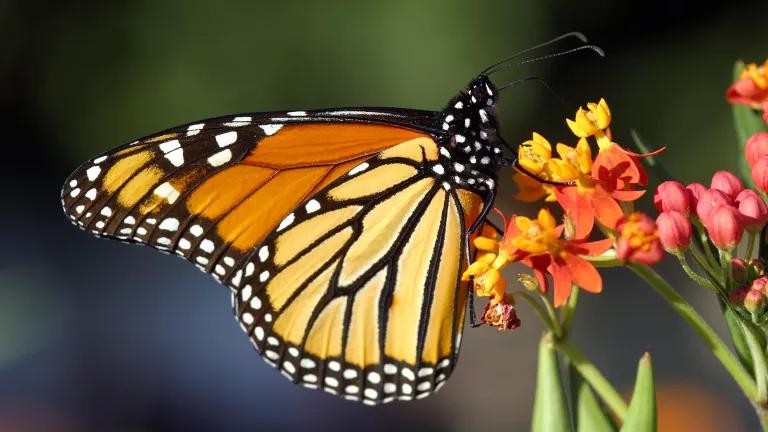
blackwaterimages/iStock
If your garden has seemed different in recent years—that familiar buzz much quieter, the air less colorful and alive—it's probably not your imagination. Bee, butterfly, and bat populations face alarming declines worldwide. That's a scary thought, considering that the majority of the crops we eat rely on these (formerly) frequent visitors.
It's true that no one person can single-handedly restore the monarch butterfly, cure bat-killing fungus, reverse the honeybees’ downward spiral—and save agriculture as we know it. But as we work on the larger issues at play, like climate change and widespread pesticide use, pollinators need safe spaces in order to feed and find mates. That’s where you come in. Make your own yard a pollinator-friendly pit stop with a few simple fixes.
1. Try leave-it-alone gardening.
Stop obsessing over perfectly planted flower beds and weed-free lawns. “Think about your garden as a habitat for wildlife rather than approaching it as 'I need a nice and tidy manicured lawn,’ ” says Sylvia Fallon, a senior scientist with NRDC's Land and Wildlife program.
Lawns and gardens that provide food, nutrition, and shelter for pollinators and other critters can still be gorgeous. Instead of weeding out natural greenery, let your lawn go. (Bees need clover!) Instead of wiping a plot clean to make a new garden bed from scratch, leave wild spaces—especially meadows of wildflowers—as they are.
2. Go native.
Local plants match the needs of nearby pollinators. Those modern hybrids you find at plant nurseries, on the other hand, may have pollen, nectar, and even scent bred out of them. A little research into your local climate and soil will reveal which plants work best in your yard. For more on what is considered native (sage) and what is not (butterfly bush), check out the Xerces Society.
3. Mix it up.
To please your bees and your butterflies, opt for plants of all shapes and colors that will bloom from early spring to late fall. Planting clumps, rather than individual flowers or plants, will also make it easier for pollinators to find you.
Throw in some larval host plants to attract the caterpillars that turn into colorful butterflies, and don’t forget night-blooming flowers for bats. While bats mainly pollinate plants in desert climates (like the agave in the Southwest), they're useful everywhere because they eat insects, including crop pests. Consider these nocturnal visitors organic pest control.
4. Stop spraying pesticides.
It’s amazing how many fans of organic food willingly use the dangerous chemicals they try to avoid in the grocery store on their home gardens. The number one threat to pollinators—and the chemicals you should avoid over all others—is neonicotinoid (or neonic) pesticides. Not only are they most toxic to bees, butterflies, and other insects, but they're also systemic. When applied, these poisons make their way throughout the entire plant—including the pollen and nectar.
Consider asking your neighbors to ditch pesticides, too. And see if you can collectively work on town and county ordinances to further reduce their use. It's not as pie-in-the-sky as it might sound; many places have banned spraying that's not related to public-health purposes, especially for private lawns.
5. Shop smart.
A 2014 report by the nonprofit group Friends of the Earth and several other organizations revealed that 51 percent of plant samples purchased at top garden stores in the United States and Canada contained neonicotinoids. Buy only plants or seeds that aren't pretreated with pesticides. And read the fine print: If a plant is marked “protected,” that may mean it’s chemically treated.
Smaller nurseries that specialize in organic gardening will likely be your best bet. And remember, supply equals demand: The more you ask for pollinator-safe plants, the more likely stores will start stocking them.
6. Plant milkweed.
In 1997, more than 1 billion monarch butterflies were recorded during their annual migration from the United States to Mexico for the winter; now that number is less than 57 million. “That's more than a 90 percent decline in a short period of time, largely due to changes we have made in our agricultural practices,” says Fallon.
One big change is the nationwide loss of milkweed crops—monarchs' only food source and the plant on which they lay their eggs. “The introduction of genetically engineered crops means milkweed is no longer in agricultural fields," says Fallon. "They have effectively eliminated milkweed from large swaths of what were breeding grounds in the corn belt. With that decline has been a huge decline in population.”
Do your part to recoup those numbers by planting milkweed from seeds or cuttings. You’ll be doubly rewarded with its heavenly full-bloom scent drifting through your windows.
7. Just add water.
Some experts say shallow pools will attract pollinators, especially if you’re in a dry climate or there hasn't been much morning dew on your grass. If you already have a birdbath, you're good to go. Provide some pebbles or rocks as “islands” in the dish so pollinators—especially small bees—won’t drown.
Of course, standing water can also attract an unwanted backyard pest: the mosquito. Make sure you empty and refill dishes frequently to keep the H2O fresh.
8. Extra credit: Become a landlord.
Revisit how you approach a fallen tree or a dead limb. It's not an eyesore; it's a potential bee nest! Drill bee-inviting holes in that dead wood, build nest blocks, or simply buy a premade bee box.
You can also purchase prefab roost modules (or make your own) for bats as well. Roost modules are meant to host maternity colonies during summer months; this keeps bats warm enough to avoid contracting white nose syndrome. The fungus, responsible for killing millions in North America, can't survive temperatures above 68 degrees Fahrenheit.
Make sure any pollinator condos you do build are made from nontoxic wood. And display your creations proudly—perhaps they'll be a conversation starter and educational tool for neighbors or visitors.
This NRDC.org story is available for online republication by news media outlets or nonprofits under these conditions: The writer(s) must be credited with a byline; you must note prominently that the story was originally published by NRDC.org and link to the original; the story cannot be edited (beyond simple things such as grammar); you can’t resell the story in any form or grant republishing rights to other outlets; you can’t republish our material wholesale or automatically—you need to select stories individually; you can’t republish the photos or graphics on our site without specific permission; you should drop us a note to let us know when you’ve used one of our stories.
The Endangered Species Act Under Attack
Neonicotinoids 101: The Effects on Humans and Bees
Protecting Biodiversity Means Saving the Bogs (and Peatlands, Swamps, Marshes, Fens…)