|
Our Children At Risk
Top of Report AIR POLLUTIONINTRODUCTIONClean air is a delicate balance of nitrogen and oxygen, with small amounts of argon, carbon dioxide, neon, helium, and other gases. Unfortunately, pollutants are altering this mixture by adding myriad ingredients which alone and in concert pose health risks to everyone who breathes the air, particularly children. In fact, children represent the largest subgroup of the population susceptible to the effects of air pollution.[1] Over the last ten years, a considerable number of scientific studies have reported adverse health effects associated with air pollution. The effects have ranged from respiratory symptoms and illness, impaired lung function, hospitalization for respiratory and cardiac disease to increases in mortality.[2] A recent study estimated that approximately 64,000 people in the United States die prematurely from heart and lung disease every year due to particulate air pollution -- more people than die each year in car accidents.[3] Among children, air pollutants are associated with increased acute respiratory illness, increased incidence of respiratory symptoms and infections, episodes of longer duration, and lowered lung function.[4] Asthma, the most common chronic disorder of childhood, is on the rise in the United States and in other industrialized nations. During the 1980s, the prevalence of childhood asthma increased nearly 40 percent.[5] Many different factors have been associated with asthma, including genetic makeup, environmental tobacco smoke, dust mites, cockroach allergens, and air pollution, both indoor and outdoor. Several studies have linked ozone and particulate air pollution with exacerbations of asthma in children afflicted with the disease. Due to their greater respiratory rates, children breathe a proportionately greater volume of air than adults. As a result, children inhale more pollutants per pound of body weight. They also spend more time engaged in vigorous activity than adults. In addition, because of young children's height and play habits (crawling, rolling) they are more likely to be exposed to pollutants or aerosols that are heavier than air and tend to concentrate in their breathing zone near ground level.[6] Children's physiological vulnerability to air pollution arises from their narrower airways and the fact that their lungs are still developing. Irritation caused by air pollutants that would produce only a slight response in an adult can result in potentially significant obstruction in the airways of a young child. The harm caused by air pollutants has been recognized by medical scientists, government officials, and the public for some time. Historic air pollution disasters -- Meuse Valley, Belgium in 1930, Donora, Pennsylvania in 1948, and London, England in 1952 -- in which large numbers of people fell ill and died, have been clearly associated with high concentrations of particulate and sulfur dioxide pollution.[7] Such acute air pollution episodes have killed children because of their heightened susceptibility to the damage that can be done by air pollutants.[8] Existing stationary sources of air pollution include coal combustion for power production, oil refineries, and industrial manufacturing facilities. Additional sources of air pollution have emerged; today automobiles are a major polluter of the air: Americans drive some 150 million private cars and nearly 50 million buses and trucks.[9] The exhaust from these vehicles contains nitrogen oxides, and other ozone precursors, particulate matter, and carbon monoxide -- all deleterious to health, even in small quantities. Also of importance in vehicle exhaust are toxic organic compounds including formaldehyde, acetaldehyde, and benzene. And, even though new cars start out far cleaner than the cars of decades ago, we drive them far more and they fail to remain clean as they age. To protect citizens, the federal government began setting standards for ambient air quality as early as the 1950s. In 1970, Congress passed the Clean Air Act, the first major national law for air pollution control throughout the United States. This Act, amended in 1977 and 1990, requires the EPA to establish national health standards for ambient air pollutants and to assure that states adopt effective programs for attaining these standards. The most successful parts of the Act, such as the acid rain program, the ozone depletion program, and the introduction of emission standards for automobiles and the reformulation of fuels, established very specific federal standards. Yet these standards are not enough. In 1995, about 127 million Americans -- half of the nation's population -- lived in regions with air quality that did not meet federal standards for certain pollutants.[12] Based on U.S. Census Bureau estimates of the population by age group, 18 million children under the age of ten lived in these "nonattainment" areas. The health risks from air pollution are greatest in these regions, and those at greatest risk include children. Citizens must seek additional remedies to assure the health of their families in the face of increasing air pollution threats. Toward that end, this chapter describes scientific research on the health effects of air pollutants on children, suggested measures that concerned parents and others can take, and model programs of local solutions that have worked throughout the nation, as well as government reforms that should be supported. Children: The Most Vulnerable Among Us The nation has failed to protect its most precious citizens -- its children -- from the adverse health effects of air pollution. Emission reduction efforts and federal air quality standards have been insufficient to shield children from potentially serious health damage.[13] Ozone and particulate matter are of special concern. In June 1993, the Committee on Environmental Hazards of the American Academy of Pediatrics stated that the federal standard for ozone in effect at that time contained "little or no margin of safety for children engaged in active outdoor activity."[14] In July 1997, the EPA revised both the ozone and particulate matter air quality standards in order to protect children and other members of the population. The American Lung Association estimated that 27 million children under the age of 13 reside in areas with ozone levels above EPA's revised standard, and that two million children with asthma, or half of the pediatric asthma population under the age of eighteen, lived in these areas.[15] HAZARDS OF AIR POLLUTIONCellular Damage
Reduced Lung Function Respiratory Illness and Asthma Currently affecting at least 6 percent of American children, asthma is the number one cause of absenteeism for school children.[24] During the 1980s, asthma incidence among children increased by nearly 40 percent.[25] One study estimated the total costs -- both direct and indirect -- related to asthma in the young and old in 1990 to be $6.2 billion.[26] Asthmatics suffer recurrent attacks of breathing distress caused by temporary inflammation and constriction of the airways. In many cases, asthma is caused by an allergic response that develops as a result of the airways becoming sensitized to one or several substances. Common air pollutants, especially ozone, sulfur dioxide and particulate matter, present a challenge to asthmatics. A considerable body of scientific evidence links increases in levels of these pollutants to worsening of asthma (increased emergency room visits, increased medication use, increased hospitalization, and increased symptoms.)[27] Some of the investigations reveal asthma exacerbations occurring at pollutant levels at or below the pre-1997 federal air pollution standards. In one case, hospital emergency visits rose by 37 percent on days when ozone reached hourly concentrations of 0.11 parts per million (ppm), which is below the pre-1997 federal standard.[28] Higher Mortality Rates In December 1993, Harvard researchers published the results of a sixteen-year-long community health study that tracked the health of 8,000 adults in six U.S. cities with differing levels of air pollution. After adjusting for age and smoking, researchers found that residents of the most polluted city had a 26 percent higher mortality rate than those living in the least polluted city.[30] This translated into a one- to two-year shorter lifespan for residents of the most polluted cities.[31] Another major study corroborated these findings. The study correlated American Cancer Society data on the health of 1.2 million adults with air pollution data in 151 U.S. metropolitan areas. The study found that people living in the most polluted area had a 17 percent greater risk of mortality than people living in the least polluted city.[32] Long-Term Effects of Chronic Exposure A variety of animal studies suggest that long-term exposure to air pollution damages lung cells.[33] In one animal study, researchers found that low-level ozone exposure resulted in the progression of lung injury into structural changes.[34] Acute inflammation in the animals' lungs evolved into chronic inflammation, with healing by a process known as fibrosis, or scarring that stiffens the lung and may make it less capable of efficient gas exchange. Corresponding evidence from epidemiological research includes one study of humans who were exposed to elevated ozone levels over several days. Lung function loss persisted for a week after exposure, which suggested to researchers that cell death and inflammatory reactions were involved, not just reflex airway constriction.[35] Chronic exposure to air pollutants may reduce lung capacity. The most comprehensive study was performed on populations living in two different parts of the Los Angeles Basin. People living in the more polluted area had substantially worse lung function than when they were initially tested, and they showed a significantly more rapid deterioration of lung function over time.[36] Chronic exposure to a mixture of air pollutants, as shown in this study, results in less rapid growth of lung function in children and a greater rate of deterioration in adulthood. In addition, a lifetime of exposure to air pollution may lead to premature aging of the lungs. The aging process in the lungs, which occurs naturally throughout adulthood, is marked by increased deposits of scar tissue, and it may render the lung tissue less elastic and less efficient in delivering oxygen to the blood. Ozone is strongly implicated in the premature aging of lungs. For instance, research on laboratory animals shows that common ozone exposure can lead to a variety of changes in lung tissue, including changes in the structure of the cells that line the smallest airways, such as death of the ciliated cells that are critical in the lung's defense system against particles and bacteria,[37] reduced ability to remove foreign material,[38] inflammation,[39] biochemical changes that suggest damage to tissues and greater permeability of the air sacs,[40] and stiffening of the lung due to the formation of scar tissue.[41] An autopsy study performed on 107 young accident victims (fourteen to twenty-five years of age) in Southern California, most of them lifelong residents, showed evidence of lung disease. Though few had outward signs of breathing disorders when alive, the lungs of 104 of them showed early signs of chronic lung disease, including low-level bronchitis, chronic interstitial pneumonia, and an unprecedented rate of severe chronic inflammation of the respiratory bronchioles. While the results of this study are not definitive since the subjects were not screened for the use of tobacco or marijuana, one of the researchers commented that the subjects "had lungs of older people," saying that, "air pollution is highly suspect for a substantial contributory role."[42] Special Vulnerability of ChildrenDuring the last decade, hundreds of published reports have documented the effects of air pollutants on children, who are more susceptible than adults to the adverse effects of air pollution. Children's greater sensitivity is a function of both greater exposure to air pollutants and unique physiological susceptibility. Greater Exposure and Susceptibility Young children generally spend more time low to the ground by virtue of both their shorter stature and the nature of their typical physical activity. Children, therefore, experience greater exposure to pollutants emitted close to the ground, such as automobile exhaust and high-density pollutants brought downward by gravity.[46] In addition, when the sources of air pollutants such as automobiles are close to playgrounds and other areas where children play, children and infants in strollers may be heavily exposed. Children often fail to recognize the significance of respiratory symptoms such as coughing, wheezing, and shortness of breath, and they frequently fail to move indoors or curtail exercise during air pollution episodes. Children tend to breathe more through the mouth than through the nose due to their increased physical exertion, thus reducing the effectiveness of one level of filtration. In addition, young children's small noses are easily blocked by congestion, constriction, or other illnesses. Children's airways have small diameters. Environmental irritants capable of obstructing air passages are more likely to do so in children than in adults.[47] Early in life, children have far fewer alveoli than adults, creating less "reserve volume" from which to draw oxygen. They also have relatively less reserve surface area in their lungs available for times of stress or increased metabolic demand.[48] In adults, air moves from one alveolus to another through holes in the alveoli and channels between the small airways and the alveoli, allowing air to be distributed deeply throughout the lung, circumventing obstructed areas. Infants and young children have few such pathways that provide for this restorative air drift.[49] Children at greatest risk from the effects of air pollution include: children with sensitized respiratory systems, such as allergic or asthmatic children, children who live near industrial pollution sources, areas of heavy traffic, or in homes with cigarette smokers, and children who lack adequate medical attention, nourishment, or sanitary living conditions. Adverse Health Effects in Children
Increased Mortality Risk Increased Acute Respiratory Illness Similarly, researchers found that summertime hospital admissions in Ontario for children are associated with increases in ambient ozone and sulfate levels.[58] Other researchers report that over a six-year period, respiratory admissions were closely associated with ozone levels at 168 hospitals in Ontario. They also showed that 15 percent of summer hospital admissions for infants were associated with air pollution, as compared with 4 percent of such admissions for elderly patients.[59] Studies of hospital admissions in Toronto suggested that increases in ozone, sulfates, aerosol hydrogen ion levels, and particulate air pollution with a diameter of 10 microns or less (PM10) can all be directly correlated to increases in hospital admissions.[60] In a diary study of 625 Swiss children between birth and five years of age, respiratory symptoms were associated with particulate concentrations, while the duration of symptoms was associated with levels of nitrogen oxide. These symptoms included coughing, upper respiratory episodes, and breathing difficulty.[61] Another study compared the frequency of upper respiratory infections in Finnish children residing in a polluted city with that in children living in two less polluted cities. The researchers found a significant association between the occurrence of upper respiratory infections and living in an air-polluted area.[62] The finding was consistent in both the fourteen- to eighteen-month-olds and six-year-olds when comparing the polluted city with the reference cities and when comparing the more and less polluted areas within the polluted city. A study in East Germany found that levels of sulfur dioxide, particulate matter and nitrogen oxides were associated with an increased risk of developing upper respiratory infections in nine- to eleven-year-olds.[63] Increased Respiratory Symptoms Decreased Lung Function Numerous studies have showed that even brief exposure to air pollutants can impair lung function.[68] One study in Utah Valley indicated that elevated particulate levels were associated with a decline in lung function among elementary school-age children as measured by peak expiratory flow (the maximum rate at which air is exhaled from a maximum inhalation).[69] Another study examined the health effects of exposure to acidic air pollution among children in twenty-four communities in the United States and Canada and found that acidic air pollution is associated with reductions in pulmonary function, as measured by forced vital capacity (the volume of air forcibly exhaled from a deep inhalation) and forced expiratory volume (the volume of air exhaled over a specific period of time from a maximum inhalation).[70] Much of the evidence that air pollution reduces lung function in children focuses on summertime exposure to acidic particles or acid aerosols.[71] Reductions in pulmonary function in children have also been linked to ozone exposure.[72] One study found a significant decline in forced expiratory volume after ozone exposure, a change that appeared to persist for sixteen to twenty hours.[73] Exacerbation of Asthma Based on increased hospital admissions, increased hospital emergency room visits, and increased medication use, ambient air pollution is associated with aggravation of asthma. In a recent study of children at an asthma summer camp, ozone air pollution was significantly correlated with an increase in the use of asthma medication and the worsening of other asthma symptoms.[77] The children were 40 percent more likely to suffer asthma attacks on high pollution summer days. In another study, researchers reported a 37 percent increase in hospital emergency visits for childhood asthma after periods of maximum ozone pollution levels.[78] A study in Mexico City showed an association between increased levels of particulate matter and ozone and a worsening of respiratory symptoms among mildly asthmatic children.[79] Hospital admissions among children with asthma in Toronto were higher after days with elevated ozone levels.[80] Children of Color The health risks from air pollution are likely to be more serious for children who are already exposed to toxic chemicals, because they live or attend school near landfills, toxic waste sites, bus depots and rail yards, industrial plants, or similar facilities. Because of low-quality housing, overcrowding, and lack of air conditioning, children in low-income communities may also spend more time outdoors on smoggy summer days. (In the absence of air conditioning, indoor concentrations of ozone can approach 80 percent of outdoor levels.[85]) In addition, children in low-income families are less likely to receive sufficient health care. Scientists at the Argonne National Laboratory have found that minority population subgroups experience greater exposure to substandard outdoor air quality. In particular, their research indicates that minorities live in greater concentrations both in areas with above-average numbers of air polluting facilities and in air quality non-attainment areas. [86] For instance, 52 percent of all whites live in counties with high ozone concentrations. For African-Americans the figure is 62 percent, and for Hispanics it is 71 percent. Population group distributions were found to be similar for carbon monoxide, sulfur dioxide, nitrogen dioxide, lead, and particulate matter, with higher percentages of African-Americans and Hispanics than whites residing in counties with excessive levels of these pollutants. Moreover, 57 percent of all whites, 65 percent of African-Americans, and 80 percent of Hispanics live in counties that failed to meet at least one of the EPA's ambient air quality standards. Five percent of whites, 10 percent of African-Americans, and 15 percent of Hispanics live in counties that exceed standards for four air quality standards. To compound the greater likelihood that children of color reside in the areas of worst air pollution, Black and Hispanic children are potentially more susceptible to air pollution due to their increased rates of asthma. Black and Hispanic children have a higher incidence of asthma than white children. Black children are more likely to have asthma than white children.[87] Moreover, Black children aged five to fourteen years are four times more likely than whites to die from asthma, and African-Americans under the age of twenty-four are 3.4 times more likely to be hospitalized for asthma.[88] Children of Hispanic (mainly Puerto Rican) mothers have a rate of asthma two and a half times higher than whites and more than one and a half times higher than Blacks.[89] Within the Hispanic-American population, the highest prevalence of asthma among children was in Puerto Ricans (11.2 percent), followed by Cuban-Americans (5.2 percent), and Mexican-Americans (2.7 percent). By comparison, the asthma incidence in non-Hispanic Blacks is 5.9 percent and in non-Hispanic whites it is 3.3 percent.[90]
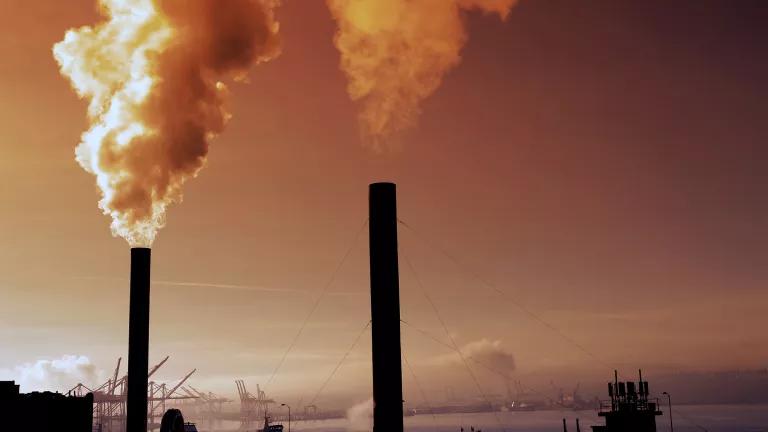
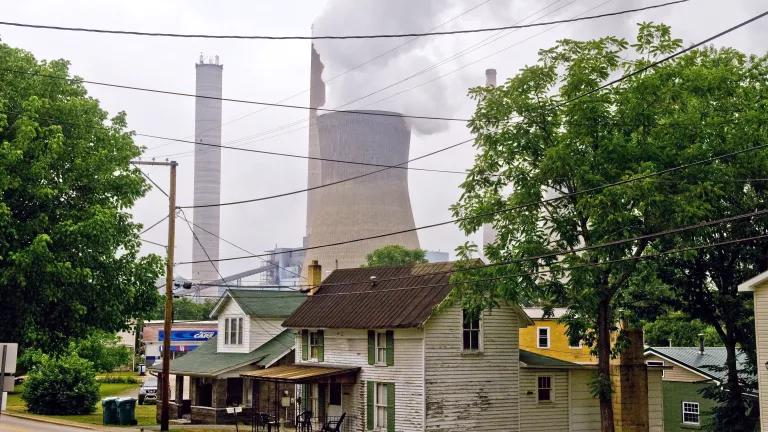
MAJOR OUTDOOR AIR POLLUTANTSBelow are summaries of the chief potential health impacts of major outdoor air pollutants. It is important to keep in mind that little clinical research has been done to determine the health effects of air pollutants in combination, and this fact is reflected in a common flaw in federal and state air pollution programs that generally fail to take into account the potential effects of the pollutant "soup." Ozone, particulate matter, nitrogen oxides, sulfur oxides, and carbon monoxide are "criteria" air pollutants for which the EPA has established maximum exposure limits. The sixth criteria air pollutant, lead, is the subject of Chapter 3. Ozone Ozone damages the cells that line the respiratory tract, causing irritation, burning, and breathing difficulty. When inhaled, even at very low levels, ozone can cause acute respiratory problems, aggravate asthma, cause inflammation of lung tissue, and impair the body's immune system, making people more susceptible to respiratory illness.[91] Ozone exposure can cause temporary decreases in lung capacity of 15 to 20 percent in healthy adults.[92] Inhalation of ozone can lead to hospital admissions and emergency room visits. According to the EPA, 10 to 20 percent of all summertime respiratory-related hospital visits in the northeastern United States are associated with ozone pollution.[93] Particulate Matter A battery of scientific studies has linked particulate matter, especially fine particles (alone or in combination with other air pollutants) with health problems, including premature death, respiratory-related hospital admissions and emergency room visits, the exacerbation of asthma, acute respiratory symptoms such as severe chest pain, gasping, and aggravated coughing, chronic bronchitis, and decreased lung function (which can be experienced as shortness of breath).[94] Nitrogen Oxides Carbon Monoxide Once inhaled, carbon monoxide passes immediately through the lungs into circulating red blood cells, binding tightly to hemoglobin and blocking the blood's ability to carry oxygen throughout the body. Intense, short-term exposure to carbon monoxide can lead to a loss of consciousness, as was known by physicians in the late nineteenth century who used it as an anesthetic.[97] The health threat from exposure to carbon monoxide is most serious for those with cardiovascular disease. Exposure to elevated levels of carbon monoxide is associated with irritability, headaches, visual impairment, reduced work capacity, reduced manual dexterity, poor learning ability, and difficulty performing complex tasks.[98] Sulfur Dioxide The seriousness of the threat from exposure to sulfur dioxide was underscored in a recent study of air pollution and daily mortality in residential areas of Beijing, China. Researchers from the Harvard School of Public Health and the Chinese Ministry of Public Health found a highly significant association between sulfur dioxide and daily mortality, estimating that the risk of total mortality increased by 11 percent with each doubling of the sulfur dioxide concentration.[100] Toxic Air Pollutants Formaldehyde and acetaldehyde, which can be found in automotive exhaust as well as in consumer products, are strong irritants, reddening eyes and causing runny noses and respiratory irritation. The EPA has designated both substances probable human carcinogens. Another probable human carcinogen, emitted from motor vehicles, is 1,3 butadiene. The EPA estimates that mobile (car, truck, and bus) sources account for as much as half of all cancers attributed to outdoor sources of air toxics.[102] Non-road mobile sources (tractors and snowmobiles) emit air toxics as well. Heavy Metals SOURCES OF OUTDOOR AIR POLLUTIONAir pollutants come from a variety of sources. At one point, the burning of coal was the greatest source. For instance, in 1952 more than four thousand people died in London due to a fog saturated with coal dust and acids.[104] Since that time, government and business in the United States and in other countries have acted to reduce coal smoke emissions. Though air pollution from coal has been substantially reduced in most areas of the country, citizens must be concerned about other sources of air pollution. Today, motor vehicles are the primary air polluter. Some pollutants are emitted directly into the atmosphere while others are produced by reactions that occur in the atmosphere between "precursor" substances. The following are sources of man-made pollutants common throughout the United States: Cars and Trucks Recent evidence suggests that diesel engine emissions are more dangerous than previously considered. Two recent government reviews, one by the EPA and the other by California, have found diesel exhaust to be carcinogenic. A draft qualitative and quantitative cancer assessment of diesel emissions conducted by the EPA reportedly concludes that such emissions are probable human carcinogens.[106] In March 1997, CalEPA issued a draft review of the health risks from diesel exhaust and found it carcinogenic.[107] Stationary Point Sources In Los Angeles and its environs, all fourteen operating refineries emit approximately 30 tons of nitrogen oxides per day and 10 tons of reactive organic gases per day.[108] Despite a long history of aggressive efforts to control emissions, power plants continue to expel large quantities of pollutants. Factories and high-tech industries -- everything from aerospace firms to label manufacturers -- also contribute. For instance, paper mills commonly release sulfates into the air, coal-burning power plants emit sulfates and acids, and municipal incinerators emit fly ash, a particulate mixture which can include heavy metals. Of particular concern are metal smelters, which sometimes emit lead, arsenic, and other metals. Small Businesses and Consumer Products Also of concern are consumer products. Hairspray, spray-on deodorant, and room fresheners expel individually only small amounts of gases, but these minute amounts are released several million times a day. In southern California, consumer products contribute almost 8 percent of the total daily volatile organic carbon emissions.[116]
What You Can DoThe following are suggestions for protecting children and other family members during air pollution episodes. Regularly check air pollution levels in your area and plan accordingly. Pollution patterns and concentrations can differ radically from one area to another. Some areas might be particularly susceptible to carbon monoxide violations, while for others it might be ozone. Be sure you are able to recognize the air district jurisdiction under which your area falls. Call your county health department to identify your local air pollution control agency. Pollution patterns also change over the course of a single day. During hot summer months in some areas, for instance, levels of ozone are five times higher in the afternoon than in the morning, while in the winter the mid or late afternoon may be the time of lowest pollution. Depending upon the area in which you live, newspapers and newscasts often discuss each day's air pollutant levels. You can also contact your local air district for specific information and advice. Limit children's outdoor exercise when smog levels are high. Laboratory studies have revealed that heavy exercise during smog episodes contributes to adverse health effects. Though our bodies have a variety of protective mechanisms against the adverse affects of air pollution, children are especially vulnerable and should be encouraged to stay indoors during smog episodes. At these times, keep doors and windows closed whenever possible while taking into account the sensitivities of asthmatics and others with breathing difficulty that may be exacerbated due to indoor air pollutants. Be sure your child's school is prepared for smog episodes. Every school should have plans for smog episodes, including alerting teachers, curtailing sports or exercise programs, and providing alternative activities that do not involve heavy physical exertion. Encourage curriculum development on air pollution issues. Children need help identifying air pollution hazards and the health symptoms that might indicate sensitivity to air pollution. Encourage your child's school to develop curriculum units centered on these issues. Be aware of sensitivities that put family members at increased risk. Children, people with asthma and other chronic lung diseases, the elderly, and the chronically ill are especially vulnerable to air pollution. During episodes of poor air quality, monitor the health of these individuals and contact a physician if needed. Avoid highly polluted areas during smog episodes. If you must be outside during a smog episode, avoid busy streets and highways that can significantly increase your exposure. Sitting in a car during a hot summer day in the middle of a traffic jam can expose you to elevated levels of carbon monoxide. Keep indoor air as clean as possible. Do not smoke cigarettes indoors. Keep your house free from dust and mildew. To control dust in the home, remove wall-to-wall carpets when possible and replace them with small area rugs that can be thoroughly cleaned. Periodically remove and launder heavy curtains. Be sure that fumes from gas stoves and heaters are properly vented, and reduce indoor sources of pollutants such as insecticides, wood fires, cleaners, solvents, and deodorizing sprays. When painting or using chemical cleaning agents, assure full ventilation. Help get polluters off the road. Report vehicles with visibly excessive tailpipe emissions to your local air quality management district. In some areas, an anonymous 800 number is available for this purpose. Minimize your own use of the automobile. Take your car to a reliable service station if your automobile "smokes " or if the "check engine " light remains illuminated. Carpool whenever possible. Use public transportation, bicycle, or walk as frequently as you can. Consult the Toxics Release Inventory. The Toxics Release Inventory (TRI), part of the 1986 Superfund Amendments Reauthorization Act, is a powerful tool for uncovering local sources of air pollution. The information, available thorough the regional US EPA office or state air pollution board, is free to any citizen who requests it. The TRI data identify by name and location industrial facilities that release toxic substances into the air, water, or land. Contact the EPA's Emergency Planning and Community Right-to-Know Information Hotline at 800/535-0202. Model Programs and Local SolutionsIn a number of communities across the country, community pressure, progressive business decisions, and government programs have worked to promote feasible, non-polluting alternatives that make economic sense. The job includes not only pressuring local businesses, but regulators as well. Below are some examples.
CURRENT REGULATORY FRAMEWORKWhile the first federal standards regulating air pollutants were established in the 1950s, it was not until 1970 that the first major legislative breakthrough occurred when Congress passed the Clean Air Act (CAA). The CAA requires the EPA to set federal standards to limit exposures to major air pollutants including ozone, sulfur dioxide, particulate matter, nitrogen dioxide, carbon monoxide, and lead. Accordingly, the EPA has established National Ambient Air Quality Standards (NAAQS) for each of these pollutants, which is a legally permissible upper limit on the concentration of that particular substance in the air. Individual states are allowed to establish air pollution standards that are stricter than the federal standards. States are required to develop state implementation plans indicating how they will comply with the Clean Air Act requirements. The EPA must approve the state implementation plan or the EPA can take over enforcement of the Clean Air Act in that state. The 1990 amendments to the CAA require the EPA to develop regulations to reduce emissions of 189 hazardous air pollutants. The CAA also requires improvements in motor vehicles to decrease tailpipe emissions, phases out chemicals that deplete atmospheric ozone, and reduces emissions of acid rain precursors. In spite of recent improvements in air quality, many areas of the country exceed the NAAQS for a variety of pollutants. Strong implementation of the CAA is critical to improving air quality. REFORMS NEEDEDIn essence, there are two primary ways in which the government can help improve the quality of the air our nation's children breathe: set more stringent health standards for key air pollutants and carry out more aggressive clean air strategies. Improve Health Standards The EPA's air quality standards are structured in a variety of ways to guard against health threats from both acute pollution episodes and chronic exposure. One-hour and 24-hour standards are primarily intended to guard against acute episodes that can be extremely hazardous to sensitive individuals and have been known to incapacitate some and even lead to death for others. Seasonal or annual measuring times, on the other hand, are becoming increasingly important in the wake of mounting evidence about additional, cumulative health impacts. Annual or quarterly standards exist for PM10, nitrogen dioxide, sulfur dioxide, and lead. In general, the criteria used by federal and state regulators do not provide sufficient protection against repeated and chronic exposures, or combinations of pollutants. Implement revised ozone and particulate matter standards. On July 16, 1997, the EPA issued new air quality standards for ozone and particulate matter.[121] The previous standard, set in 1979, limited ozone to 120 parts per billion in a single hour. The new limit is 80 parts per billion measured over eight hours. For particulate matter, the EPA's new standard allows daily concentrations up to 65 micrograms per cubic meter of air and annual average concentrations of up to 15 micrograms per cubic meter for the smallest particles (less than 2.5 microns in diameter). The standards will protect the health of 125 million Americans, including 35 million children, from the hazards of air pollution. Industry and some members of Congress are seeking to block the enforcement of the new standards. Protect against chronic exposure. The mounting evidence of risk from exposure over a lifetime calls for a different approach to health standards and clean air policy as a whole. Standards continue to be set to protect against the risks from single, short-term exposures to single pollutants. Current control measures encourage "peak shaving, " which, rather than reducing average levels and exposures, focuses only on specific episodes. Study the pollutant "soup. " Evidence suggests that combined effects of pollutants may be greater than the sum of their individual effects. Regulators should support more research aimed at identifying the health risks from simultaneous exposure to different combinations of air pollutants and revise standards accordingly. Provide adequate margins of safety. Air quality regulators are required by law to protect the public not only against demonstrable hazards, but also against those that are suspected or have not yet been quantified. Consequently, even when medical evidence merely suggests health impacts, measures must be taken. This is particularly critical in the case of children's health since most of the existing standards are based upon studies conducted on adults. The only way to ensure the protection of children is to establish conservative margins of safety. Strengthen nitrogen oxide and sulfur dioxide standards. Federal standards for nitrogen oxide and sulfur dioxide must be tightened to provide protection against short-term pollution episodes in response to medical evidence of adverse health effects from short-term exposure to these substances. NRDC recommends that federal 24-hour sulfur dioxide standards be tightened. In addition, a short-term standard must be developed to protect children and others with asthma who can be affected by exposures as short as five minutes. More Aggressive Clean Air Strategies NRDC has identified a variety of ways in which national and state air quality programs can be improved: Improve and enforce implementation plans. The most heavily polluted areas in the nation often lack integrated, comprehensive implementation plans to reduce air emissions. Few air quality regulators have the geographic reach or authority to develop and execute regionally coordinated plans of action, despite the regional nature of what they are regulating. And even if an area has well-crafted implementation plans, that does not assure adequate implementation, monitoring, or enforcement. This has been because, in the case of federal regulations, Congress has historically pushed back attainment dates at the request of cities or states, thus increasing public cynicism over the ultimate value of the laws. Tighten emissions requirements for new vehicles. Transportation-related emissions account for about 50 percent of the ozone problem and almost all of the carbon monoxide problem. Some of our greatest emission reduction opportunities and greatest political problems arise in the transportation area. NRDC has helped lead a successful campaign to persuade the EPA to approve a "low emission vehicle " program for the Northeast. This program will require substantial improvements in emission standards for automobiles and require the introduction of a limited number of zero-emission vehicles. Additional changes are necessary to require manufacturers to produce more durable emission control systems for new vehicles and to strengthen emission standards for minivans and sport utility vehicles. Reformulate fuels and clean up existing cars. The benefits of air emissions control programs will never be fully realized until the existing fleet of cars is retired, which typically takes from twelve to twenty years. Auto inspection and maintenance programs can control very large amounts of pollution at much less cost than pollution control measures on factories. There are several kinds of initiatives at work throughout the country that have reduced emissions for these vehicles:
Improve transportation strategies and alternatives. For every ton of pollutants eliminated by the development and use of better technology today, more than a ton is added because of additional automobile travel. Accordingly, the 1990 Clean Air Act Amendments require seriously polluted regions to develop coherent transportation and trip reduction strategies over the next few years. No city in the nation has developed such a program, despite the existence of many cost-effective transportation control strategies.
Provide economic incentives and disincentives. The costs of road construction and maintenance, police patrols, and accident response -- as well as environmental costs -- are all heavily subsidized by public agencies and financed through taxes. If motorists were assessed these costs in proportion to the number of miles they drive or their annual vehicle emissions, for instance, they would have a powerful incentive to drive less and use less polluting means of travel. Reduce emissions from small stationary pollution sources. It is essential to control the pollution emitted by solvent use, "area sources, " and consumer and commercial products. Solvents, often held in large open vats for degreasing operations, contribute significant amounts of air pollution through evaporation, for instance. Some areas of the country must cut emissions from such sources by a staggering degree in order to meet federal clean air standards, and the most promising strategies include market incentives. Better educate the public. The general public is forced to sift through myriad conflicting claims about air quality matters. For this reason, air quality officials and policymakers must expand and enhance current public education and involvement programs to build a stronger base of support for what are often politically difficult air pollution control measures. Target communities with the greatest needs. As noted early in this chapter, researchers have found that communities of color and low-income communities tend to suffer disproportionately from air pollution. NRDC is concerned that current laws and regulations are inadequate to protect the communities most at risk, and we recommend that air quality researchers investigate communities at special risk from air pollution. In addition, officials should intensify pollution control efforts in these communities and target the most dangerous sources. Notes
|


Print this Page
E-mail this Article