Giles Clark/Getty Images
Overview
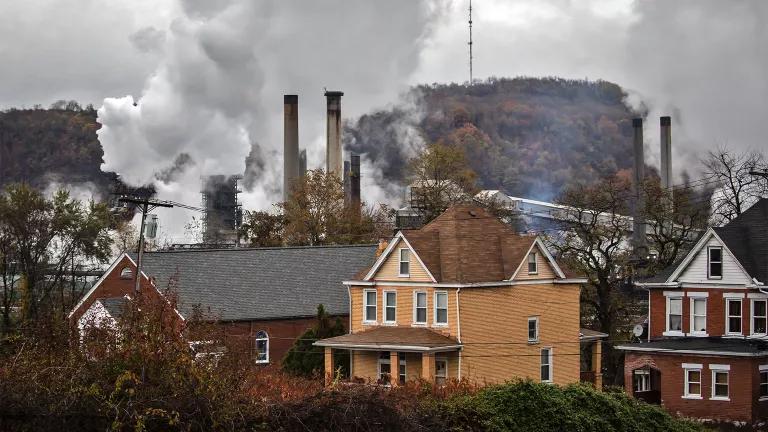
Found in our bodies, food, homes, and the environment, toxic chemicals are pervasive and linked to myriad health issues, from cancer to hormone disruption. To ensure a healthy future for our children and communities, we must address the sources of these harmful chemicals. As the saying goes, an ounce of prevention is worth a pound of cure. To that effect, we must advocate for science-based policies, pass new laws, change the marketplace, and hold agencies accountable to protecting public health and the environment. We must also work with environmental justice and frontline communities to reduce their disproportionate exposure to pollution, toxic chemicals, and health inequities.
Solutions
Reduce exposure to PFAS, AKA “forever chemicals”
Given the scale of PFAS contamination in our environment—these toxic chemicals are found in everything from drinking water and food packaging to clothing and firefighting foam—we are tackling the problem through a multipronged approach. In addition to foundational work advocating for policy change that eliminates nonessential uses of PFAS, we’re also raising consumer awareness and pressuring manufacturers to stop using them, for example, through our PFAS scorecard that exposes their use in popular clothing brands. We’re calling on the federal government to regulate facilities that send PFAS into the environment; to accelerate the monitoring and cleanup of contaminated drinking water, waterways, and soils; and to prohibit new PFAS from entering the market.
Did You Know?
Currently, most chemicals are regulated by the government one at a time, and assessing the risk for a single chemical can take decades. Instead of this slow process, scientists and advocates are calling for toxic, “forever” PFAS chemicals—which now include more than 12,000 chemicals, used in hundreds of different products—to be managed as a single chemical class.
Halt the plastic industry’s growth
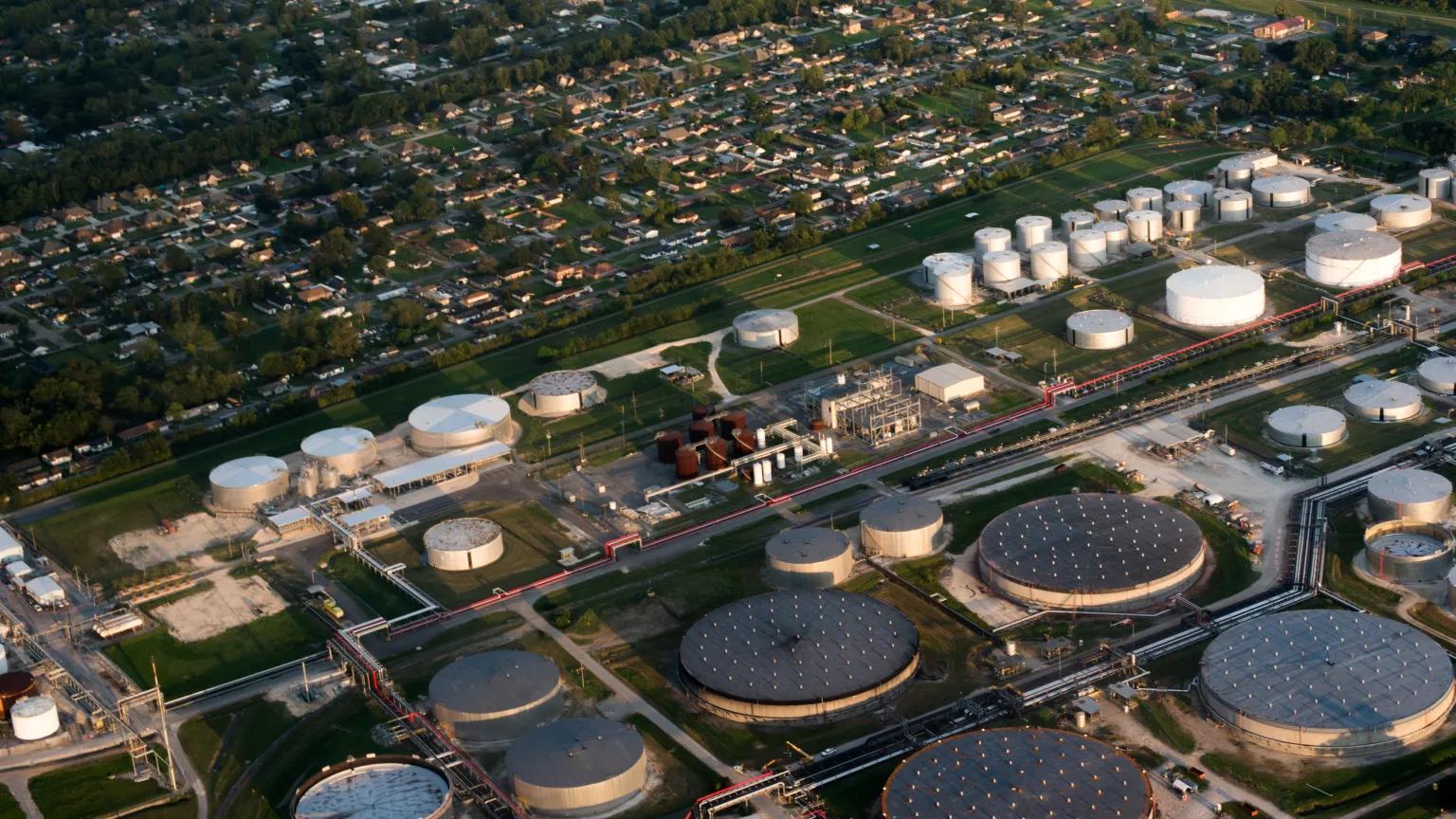
Our plastic addiction creates more than a litter problem: The refineries and “cracker plants” that turn crude oil into the building blocks of plastic make up some of the most polluting industries in the manufacturing sector and have significant greenhouse gas impacts. Plastic production both uses toxic chemicals and adds toxic chemicals—like PFAS and flame retardants—to plastic products, threatening the health of nearby communities and consumers. Marginalized communities already overburdened by environmental injustice, where these facilities are often located, are particularly at risk. Microplastics themselves can harm health. We are fighting to curb plastic production and protect people and communities. We’re also working to slow the industry’s further expansion, exposing its greenwashing schemes like so-called “chemical recycling” (actually just incineration in different guises), which generates an enormous amount of hazardous waste as well as air pollution that must continue to be regulated under the Clean Air Act.
Rigorously evaluate and regulate health-harming chemicals
We use the legal process to pressure the U.S. Environmental Protection Agency (EPA), U.S. Food and Drug Administration, and state governments to act on the latest science and take the lead on restricting dangerous chemicals, as well as notifying the public of harmful chemical ingredients and exposures. Our advocates are urging the EPA to effectively implement the revised Toxic Substances Control Act by assessing chemicals and restricting the uses of harmful chemicals, especially to protect vulnerable populations, including pregnant women, children, and fenceline communities.


From left: A Laysan albatross chick rests among discarded plastic buoys and fishing nets on a beach in Hawaiʻi's Papahānaumokuākea Marine National Monument—recent studies have found plastic in the guts of 90 percent of the seabirds tested and 100 percent of the turtles; PFAS chemicals have been found in everything from food packaging to clothes to drinking water.
Ryan Tabata/NOAA Coral Reef Ecosystem Program Marine Debris Team
; 2)Idris Soloman for NRDC
“The functionality that PFAS provides—a more stain-resistant coat or more breathable yet water-resistant gym shorts—is not necessary and certainly not worth the health risks.”
Sujatha Bergen, health campaigns director, People & Communities Program
Progress
- The United Nations Environment Assembly has introduced a mandate to create the world’s first legally binding agreement by 2024 to end plastic pollution.
- While federal regulation on PFAS remains insufficient, we’ve seen promising state action. New Hampshire and New Jersey established tap water standards for certain PFAS. Meanwhile, California, Maryland, and New York joined other states in banning PFAS in plant-based food packaging and firefighting foam. Given their size, the California and New York markets can help shift the national market. In the private sector, companies like Home Depot and Lowe’s have chosen to ban PFAS in their carpets and rugs, and a wave of clothing brands, including Patagonia, are making public commitments to ban PFAS from their entire supply chains, signaling the potential for new market norms to take hold. Building on these commitments, bills to ban PFAS in clothing and textiles became law in California and New York in 2022.
- In 2021, the Family and Firefighter Protection Act was signed into law in New York State, broadly banning toxic flame retardants (linked to myriad health effects, including cancer, reproductive problems, and reduced IQ) in furniture and mattresses. Advocates see the law as essential to closing regional gaps in the national market for these products; California and Maryland have already passed similar laws, transforming the broader market, and they’ve also banned flame retardants in various children’s products. The legislation also makes New York the first U.S. state to ban particularly persistent organohalogen flame retardant chemicals in the stands and enclosures of larger electronic displays, following the lead of the European Union.
More Ways to Make an Impact

How to Limit Your PFAS Exposure in the Great Outdoors

Nontoxic Ways to Protect Your Pet

9 Ways to Avoid Hormone-Disrupting Chemicals
10 Ways to Reduce Plastic Pollution
Learn to Spot Greenwashing
Fighting Phthalates

How to Combat Weeds . . . Gently

Green Your Halloween
Green Your School

Stocking a Kid-Friendly, Nontoxic Kitchen
Latest News & Resources

When States Act, Markets Follow: The Ripple Effects of PFAS and Chemical Safety Policies
Centering on Communities to Drive Speed and Scale

The Data Is Clear
How to Limit Your PFAS Exposure in the Great Outdoors

Replace the Pipes, Invest in People
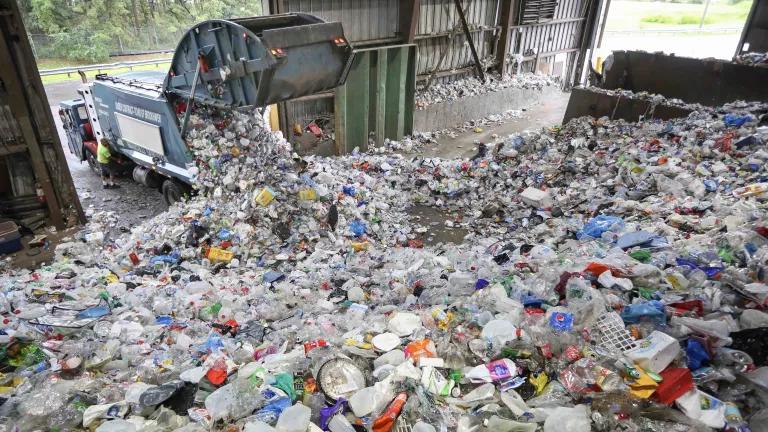
“Chemical Recycling” Is a Toxic Trap
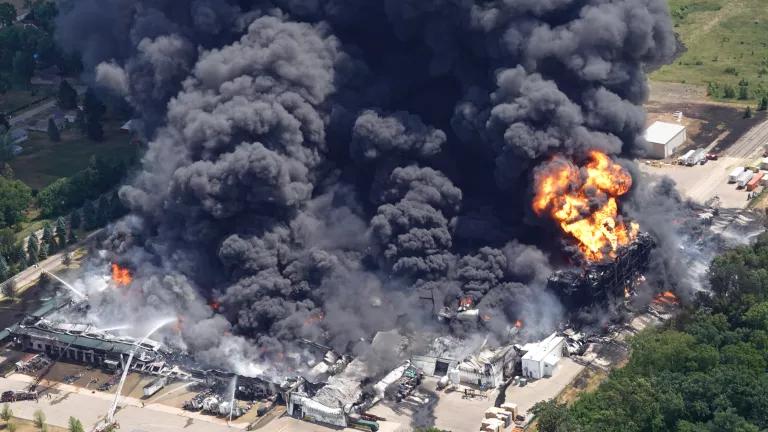
Communities and Workers Deserve Robust Protection from Chemical Disasters

Lactation Interrupted: Impact of PFAS on Breastfeeding

No PFAS, No Problem

Trump EPA Proposes Toxic Loophole for Plastics Incineration

Double Trouble

Neonic Pesticides Threaten Human Health

NRDC to EPA: Get the Rocket Fuel Out of Our Water Already!

Should Harmful Pesticides Come with Warning Labels?