
Teresa Kopec/Getty Images
Overview
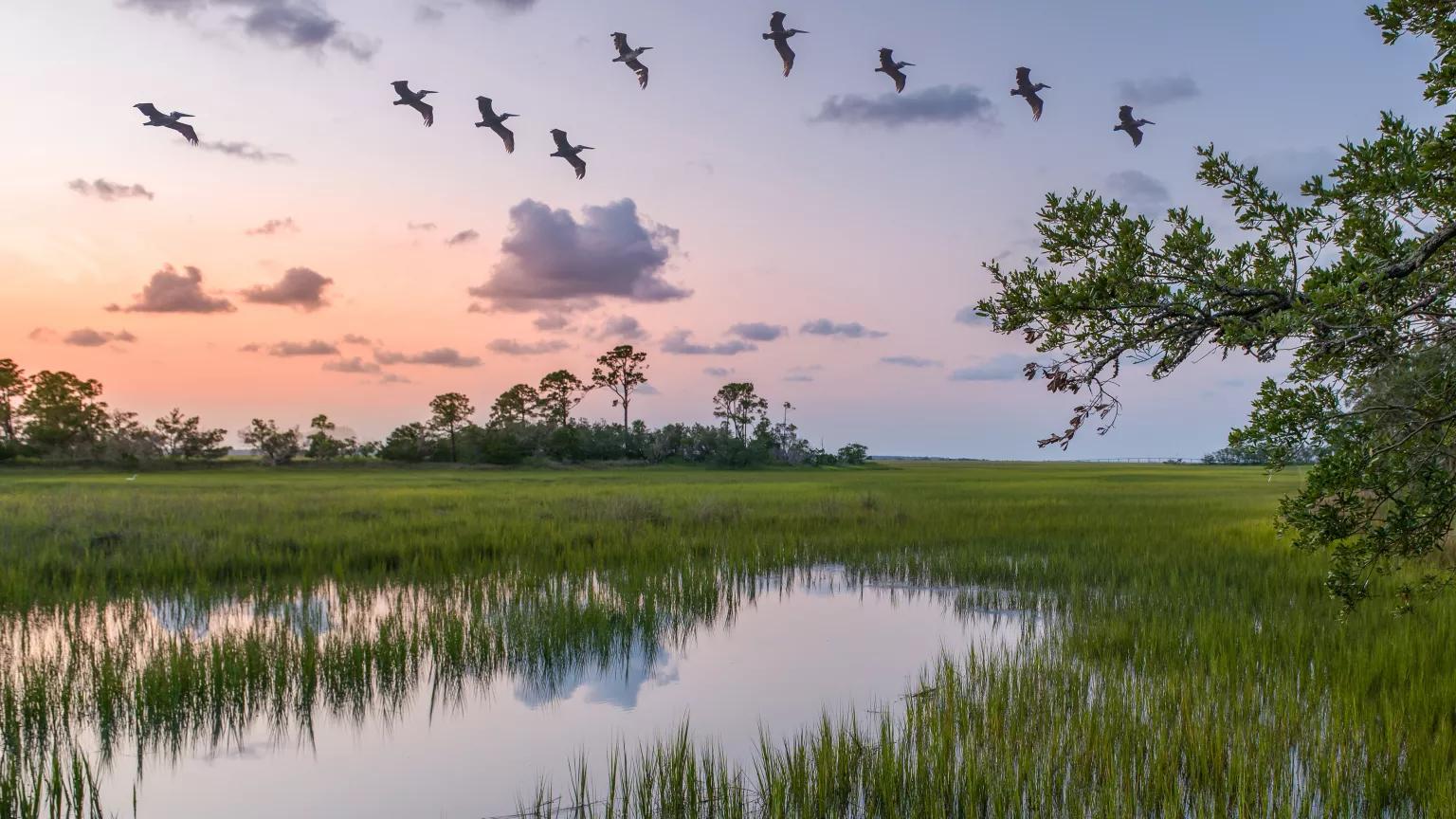
Rivers, lakes, and wetlands cover less than 1 percent of the earth’s surface, but they support an extraordinary diversity of life: Approximately 10 percent of species call them home. And people depend upon freshwater ecosystems for everything from drinking water and fishing to swimming and flood control. Many wetlands are also massive storehouses of carbon, making their preservation a natural climate solution. Since helping to pass the Clean Water Act in the 1970s in the United States, we have continued to fight for a safe and sufficient water supply and for actions that keep pollution out of freshwater ecosystems—for the benefit of all.
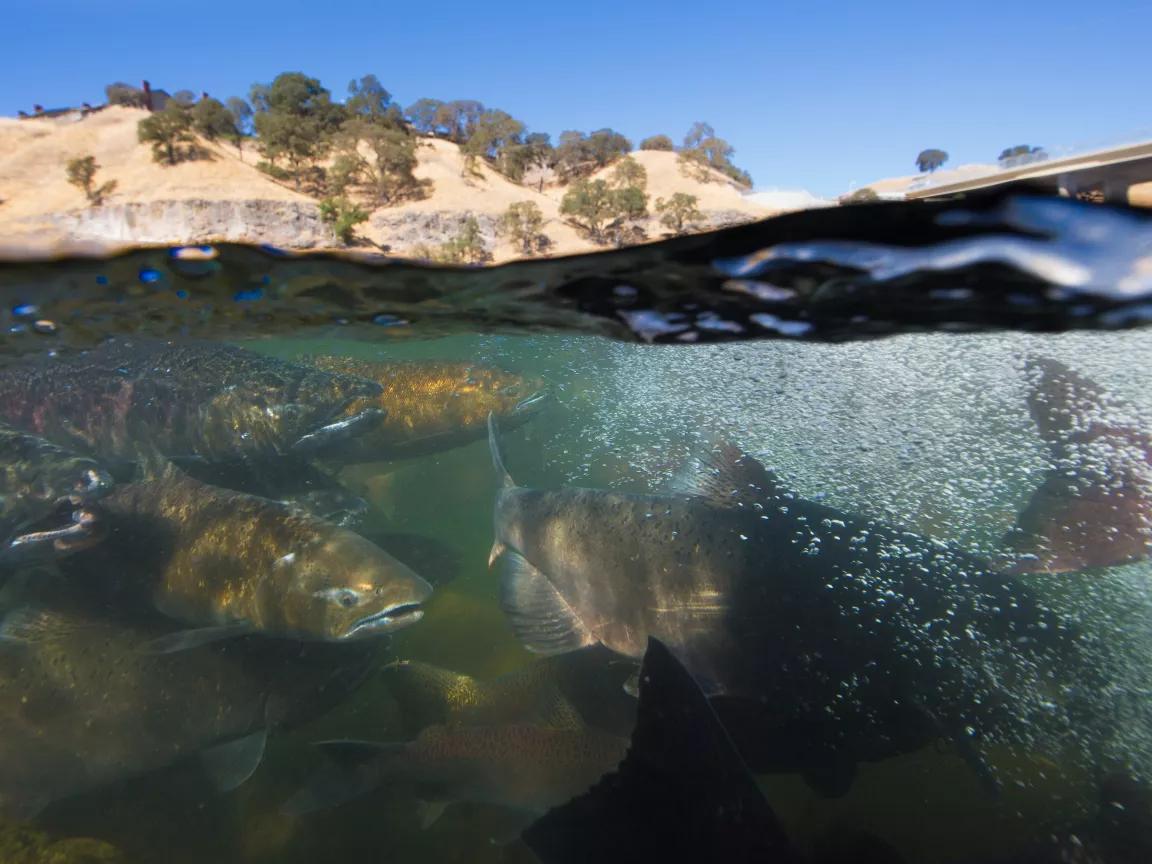
Salmon, including sockeye and Chinook salmon, have provided sustenance and economic opportunity for millennia and remain sacred to Indigenous Peoples. They also feed the surrounding ecosystem, acting as a natural conveyor belt for nutrients wherever their populations thrive. But salmon are up against unsustainable diversions of their waterways, rising river temperatures, unchecked industrial development, and pollution.
Carl Costas/CDWR
Solutions
Freshwater habitats and species have suffered serious declines in the last few decades. We must ensure that nature can continue to provide the crucial services on which we all depend. Here are our current priorities:
Restore and protect wetlands and riparian areas
At the U.S. federal level, we continue to defend the Clean Water Act by ensuring that the natural resources that are important for water quality are protected by law, and that upstream threats from outside protected areas are managed. Right now, wetlands are particularly at risk. This jeopardizes some of the best natural solutions we have to temper the effects of flooding and filter out pollutants from our environment. To reverse these threats, we are also advocating for floodplain conservation support through the Federal Emergency Management Agency, restoring critical riverscapes on public land, and advocating for inclusion of freshwater ecosystems in all plans to protect 30 percent of nature by 2030.
Did You Know?
Peatlands—a type of inland wetland—cover only about 3 percent of the world’s land surface, but they store at least twice as much carbon as all of the earth’s standing forests.
Promote thriving rivers
Rivers with robust flow throughout the year support riparian forests that are important carbon sinks and are essential to maintaining water quality and sustaining keystone wildlife populations like salmon. To restore healthy rivers, we press for infrastructure reforms, as in water-stressed Chile, where we’ve supported communities fighting to save Patagonia’s wildest rivers from being yoked by massive hydroelectric dams, and in the Columbia River Basin, where we are calling for the breaching of the controversial Snake River dams.
Increase water efficiency in the agriculture sector
Oftentimes, farms divert unsustainable portions of the water that would otherwise flow in local rivers, harming fragile ecosystems. Industrial agriculture also remains a major source of water pollution that jeopardizes drinking water supplies, through the mismanagement of animal waste and fertilizer runoff. To chart a course toward a more regenerative farming sector, we are advocating for the adoption of practices that conserve water, cut down on the need for harmful chemicals, mitigate flooding naturally, and improve soil health (an important tool for water retention). Practices like incentivizing farmers to plant cover crops and restoring trees and shrubs alongside streams will help get us there.
“Wetlands, headwater, impermanently flowing streams, and other waters provide enormous critical ecosystem services, which improve communities’ drinking water supplies, prevent flooding, filter out pollution that can cause downstream harms like massive—sometimes toxic—algae outbreaks, and act as habitat for countless aquatic species.”
Jon Devine, director, federal water policy, Nature Program
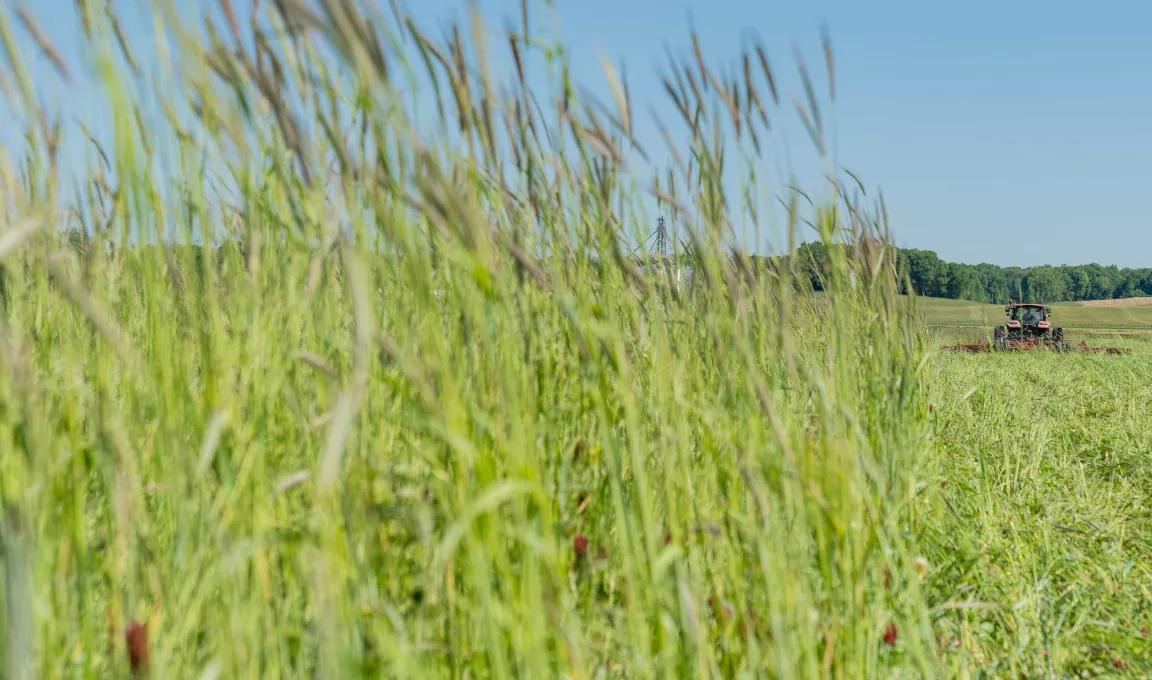
Cover crops prevent erosion, reduce water pollution, feed soil microbes, improve soil’s capacity to use nutrients efficiently, improve soil structure for easier plant growth and more efficient water use, and add carbon to the soil—they are a critical tool in addressing the triple threat of climate change, biodiversity loss, and water quality.
Brandon O’Connor/USDA NRCS
Progress
-
Programs in Illinois, Indiana, and Iowa are offering discounts on crop insurance premiums to farmers who plant cover crops in the colder months. These crops ensure living roots remain in the soil after a cash crop is harvested to reduce soil erosion, increase water retention, improve soil health, increase biodiversity, and more.
-
In the Pacific Northwest, leaders are coming together to devise an action plan to replace the energy, irrigation, and transportation services currently provided by the four lower Snake River dams, and to give salmon a real chance to recover.
-
After nearly two decades of negotiation, federal regulators approved the removal of four hydroelectric dams from the Klamath River in southern Oregon and northern California, to be completed by 2024. It’s the largest dam removal and river restoration in the country’s history as well as an environmental justice victory: For the first time, the the Federal Energy Regulatory Commission publicly included tribes in its decision-making rationale.
-
More than 100 breweries have joined NRDC’s fight to protect the Clean Water Act. Brewers for Clean Water advocate for measures that safeguard their water sources from upstream pollution and keep waterways clean for their downstream neighbors.
More Ways to Make an Impact

How to Become a Community Scientist

9 Tricks That Save Tons of Water
6 Ways You Can Help Keep Our Water Clean
Latest News & Resources

Trump Administration Readies the Axe for Nearly 45 Million Acres of Public Forests

The Fight Against This NYC Area Pipeline Is Not Over

America’s Troubled Waters
U.S. Wetlands and Streams Are Already Losing Protections—Why Make It Worse?

Minnesota’s Water Quality Wake-Up Call

The Dakota Access Pipeline: What You Need to Know

The Nitrogen Pollution Crisis
The Public Lands Rule Falls Victim to the Dirty Energy Agenda

A Fund for Cleaning Up Coal Mining’s Toxic Legacy Dries Up

California on the Frontlines
You can’t make great beer without clean water.
Join the Brewers for Clean Water campaign and help protect the Clean Water Act!

Join the Brewers for Clean Water campaign!
More than 100 breweries have joined NRDC’s fight to protect the Clean Water Act.