
Groups Call on Minnesota to Address Rampant Neonic Pollution
NRDC and the Minnesota Center for Environmental Advocacy are suing the state to stop harmful, unnecessary pesticide pollution.


After years of work by NRDC to rein in widespread and unnecessary neonic pesticide contamination in Minnesota, NRDC and the Minnesota Center for Environmental Advocacy (MCEA) sued the Minnesota Department of Agriculture (MDA) over its failure to regulate seeds coated with toxic neonicotinoids pesticides or “neonics.” This lawsuit comes several months after MDA denied a petition from the NRDC Action Fund and MCEA, which had argued that MDA's failure to regulate widespread, unnecessary treated seed use violates Minnesotans’ rights under the law—and that MDA must take swift regulatory action.
MDA has long recognized the extensive harm that neonic seed coatings wreak on Minnesota’s water, ecosystems, and pollinators—with the agency’s own data connecting the coatings to bee losses and ecologically damaging neonic levels in state water supplies. Nearly a decade ago, the MDA itself proposed measures to curb widespread neonic pollution from coated seeds but has taken no meaningful action since.

Neonicotinoid pesticides, or "neonics," are a class of neurotoxic insecticides used on a near-unprecedented scale, most commonly as coatings on crop seeds, known as “seed treatments.” In Minnesota, neonic seed treatments on corn and soybean seeds alone likely cover upwards of 12 million acres.
Unsurprisingly, widespread use of these long-lasting and highly mobile pesticides has caused near-ubiquitous contamination of Minnesota's environment. In 2022, the Minnesota Department of Natural Resources released a report finding neonics in the spleens of 94 percent of white-tailed deer across the state—up from 61 percent just two years earlier. And water testing shows that neonics commonly contaminate Minnesota waters, often at levels that are expected to harm aquatic ecosystems.
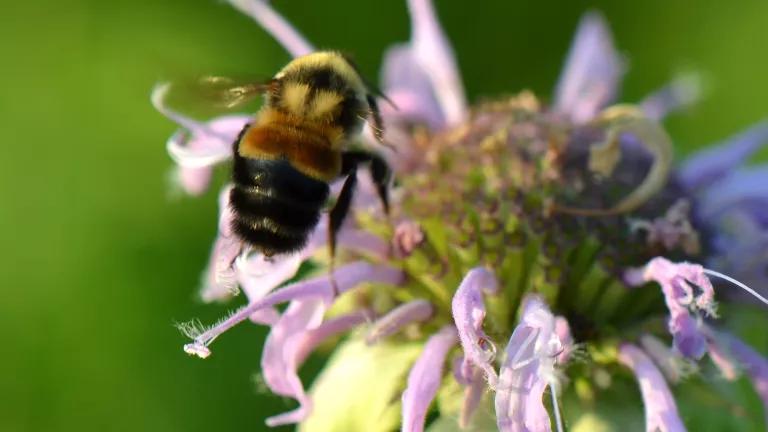
Two decades of research shows that neonic contamination is devastating for the environment. Neonics are a leading driver of losses of honeybees and wild bees that farmers rely on to grow food, and they are increasingly linked with the collapse of aquatic ecosystems, declining bird populations, and birth defects in deer. Neonic-treated seeds have even been identified as the number one factor associated with declines in Monarch butterflies in the Midwest from 1998 to 2014.

Their harms don't stop there. One study detected neonics in the bodies of 95 percent of pregnant women tested nationwide. And other studies link neonics with malformations of the developing heart and brain and other health harms. And a brand-new analysis finds that regulatory studies—meaning those conducted by the pesticide industry itself—reveal harms to the developing brain. Worse still, the U.S. Environmental Protection Agency has failed to acknowledge and address many of these harms when approving neonics for widespread use.
In other words, neonic contamination is bad news—for bees, birds, fish, and people.
Minnesotans have a legal right to be free of this kind of ecological destruction. The Minnesota Environmental Rights Act states that all people are "entitled by right to the protection, preservation, and enhancement of air, water, land, and other natural resources located within the state." Unchecked use of neonic-treated seeds benefits no one—not farmers, not communities, and certainly not the ecosystems devastated by neonic pollution. There's just one exception: the multinational chemical companies that profit from their sale. Just four companies supply upwards of 75 percent of corn and soybean seeds in the United States, and those same companies are manufacturers of neonics.
Minnesota law requires that MDA must act to protect the rights of all Minnesotans to clean water and healthy environment, not the interests of corporate behemoths. NRDC and our partners will continue to fight until they do.
This expert blog was originally published October 17, 2024, and has since been updated with new information and links.
Related Blogs
Bees on the Brink: Will Minnesota Act to Save Them?

Report: Harmful Pesticide Contamination Rampant in Minnesota Waters
