
Neonic Pesticides Contaminate Colorado Water
Pretreated seeds pollute groundwater and streams while threatening wildlife and bees.

Media Contact
A new report by Dr. Pierre Mineau finds neurotoxic neonicotinoid pesticides (neonics) in Colorado water at concentrations 100 times above levels that are expected to harm aquatic life. The report concludes that neonic coatings on crop seeds, known as “seed treatments,” are likely the primary source of this contamination.
The report draws from federal and state water testing data and identifies samples in Colorado with alarmingly high levels of neonics—with some samples exceeding the U.S. Environmental Protection Agency’s estimated worst-case scenarios for groundwater pollution.
Neonics are the most commonly used pesticides nationwide, and studies link even tiny concentrations of neonics in water with declines in bird populations and the collapse of fisheries.
LEARN MORE: NEONICS
For Coloradans, the report underscores three main takeaways:
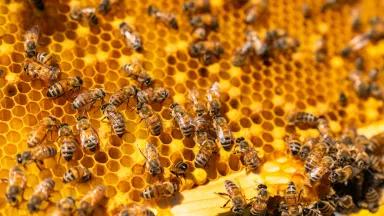
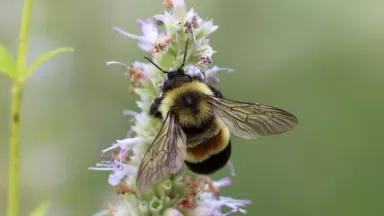
- Neonic contamination in Colorado water threatens aquatic life and bees. Neonics were found in both surface water and groundwater at levels significantly above what is expected to cause harm to aquatic life from chronic exposure. The contamination in some water samples from the South Platte Basin was high enough that it could also pose a deadly threat to pollinators if the water was used for irrigation. The report explains that, because sampling is infrequent and intermittent, the available data may fail to capture peak concentrations of neonics. This means neonic contamination is likely even worse than the data reflect.
- Most neonic water pollution comes from seed treatments. The most prevalent neonic chemicals found in Colorado water are primarily used as seed treatments. Neonics are highly water soluble and prone to runoff, so water contamination is common near field crop production.
- Urban neonic runoff pollutes Colorado streams. Even though most neonic contamination in Colorado water is likely traceable to agriculture, landscape and ornamental uses of neonics expand the pollution footprint. Levels of neonics found in Cherry Creek, which runs through Denver, have exceeded those known to harm aquatic ecosystems every year for more than a decade.
The report’s conclusions focus on harm to aquatic ecosystems, but they also have implications for human health, as conventional water treatment largely fails to remove neonics from drinking water. Exposure to neonics is widespread, with the U.S. Centers for Disease Control and Prevention monitoring detecting neonics in half of Americans’ bodies; another, more recent study found neonics in more than 95 percent of pregnant women tested across the country—with exposure worsening over the course of the study.
As noted in the report, “ecological degradation due to neonic contamination is occurring in real time.” Colorado needs swift action to reduce the use of neonics, especially on seeds, to protect the state’s precious water and the wildlife and people who depend on it.
Related Content

Colorado Can Join Leading States by Curbing Second “Silent Spring” Pesticide Pollution

It’s Time for Colorado to Fix Its Neonic Pesticide Problem
