
Neonic Pesticides Threaten Human Health
Roughly half of all Americans are exposed to neurotoxic neonic pesticides on any given day, and children are especially at risk.

Credit: Yasser Chalid/Getty Images


Neonicotinoids (neonics) are neurotoxic pesticides and the most widely used insecticides in the United States today. While neonics are best known for driving mass losses of bees, birds, and other wildlife, there is mounting evidence that neonic pollution may have potentially devastating effects on human health, especially for children. Roughly half of Americans are exposed to neonics on any given day—mostly from contaminated water and food—increasing our risks of nerve damage, developmental disabilities in children, and impaired reproductive health, among other harms.
READ THE FULL FACT SHEET
RELATED CONTENT
Skip carousel items
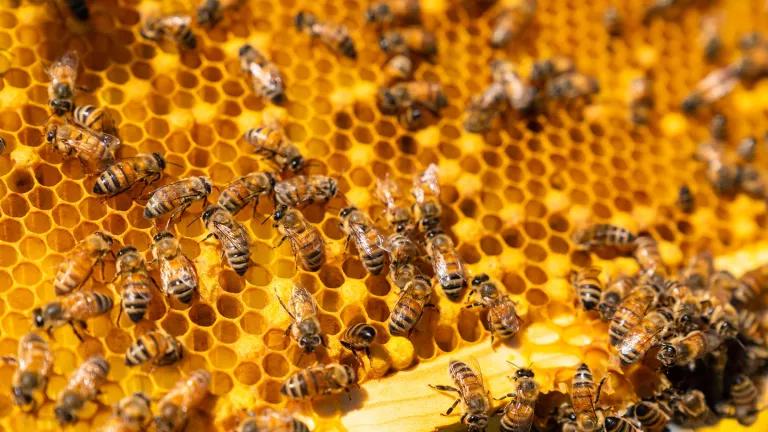
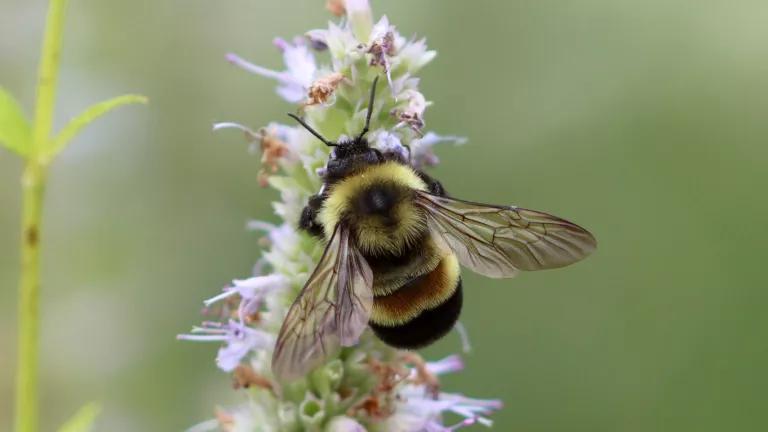

Neonicotinoids 101: The Effects on Humans and Bees
ExplainerUnited StatesCourtney Lindwall
What you need to know about the toxic insecticide that’s decimating populations of pollinators.
Neonics: The Toxic Truth
Fact SheetUnited States, Minnesota, Michigan, California, ColoradoAllison Johnson, Daniel Raichel, Lucas Rhoads, Lena Freij
Pesticides kill bees, pollute water, and threaten our health.
Bigger than Bees: How Neonics Contaminate Water, Threaten Ecosystems, and Cause Human Health Concerns in New York
ReportNew YorkDaniel Raichel, Dr. Jennifer Sass
Neonic use has been linked to a dramatic decline in insects, including plummeting bee and butterfly populations, disrupting entire ecosystems and harming birds, fish, and other wildlife.