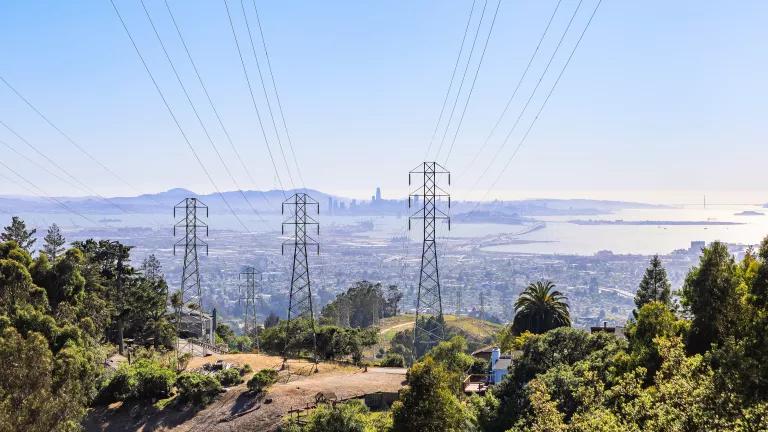
Powering Change: Understanding California’s Electric Rate Challenges and Affordability Solutions
Our report offers immediate and long-term solutions to California’s high electricity prices.


Californians have experienced sharp increases in electricity rates in recent years, adding to the financial strain of rising housing, health care, and food costs. This has also reduced the economic incentive to swap out polluting vehicles and appliances for those that run on clean electricity, at a time when this change is required to address the burden of air pollution and to meet California’s greenhouse gas reduction targets. Residential rates for Pacific Gas and Electric Company—California’s largest utility—have increased by 40 percent above inflation since 2018. Including inflation, rates have risen 80 percent over this period.
Learn More
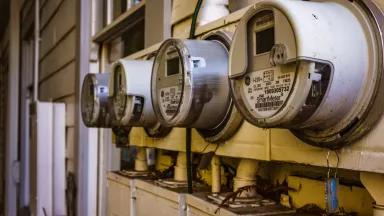
While there are several factors involved in the recent rate increases, our analysis shows that contrary to claims by the fossil fuel industry, climate policies that require utilities to procure clean energy are not a driver of these recent rate increases. Instead, the largest contributor to high prices is loading a range of costs—particularly skyrocketing wildfire-related costs—into the per-kilowatt-hour rate for electricity.
It doesn’t have to be this way: California has the tools and resources needed to bring down energy costs and to ensure that ditching polluting fossil fuels remains an affordable solution for all. This report recommends strategies to address recent rate increases, including immediate ones like expanding sensible fixed charges and moving costs outside of electricity rates where possible, as well as longer-term solutions such as improving regulatory oversight of utilities and better balancing the cost of wildfire risk reduction with rate affordability.
California cannot let electricity rates stall progress on reducing air pollution and greenhouse gas emissions. Bold action must be taken to reduce electricity rates, now and in the future. While this is far from an easy task, the state has the tools and resources to make this a reality.
Read the full report & executive summary
Related Resources

California on the Frontlines

California’s End-of-Session Blitz Is a Ray of Sunshine for Climate Progress