The Biden administration released a historic plan today to put the nation on the path to eliminating carbon pollution from transportation. This is the first time that four federal agencies have come to together on a joint approach to achieve…
The White House Council on Environmental Quality (CEQ) issued new guidelines today that improve the way climate considerations are weighed in federal permitting and decision making, replacing guidance put in place in 2016.
The Environmental Protection Agency proposed a rule today that would tighten one national limit for soot pollution in the United States. It proposes to set the annual health standard for soot, otherwise known as fine particulate matter air pollution, or…
ReportMaryland, New Jersey, Pennsylvania, Washington, D.C., Florida, Georgia, North Carolina, Tennessee, Illinois, Michigan, Ohio, Wisconsin, ColoradoDarby Hoover, Yvette Cabrera
Food waste costs the US $408 billion each year. Producing food that we do not consume swallows up roughly 18 percent of America’s cropland and 14 percent of our fresh water, and generates about 270 million metric tons CO2 equivalent…
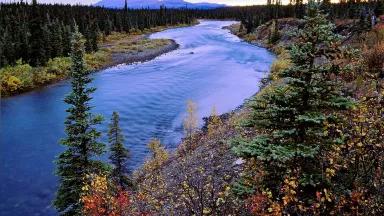
The end of embattled Bristol Bay mining scheme is in sight, as EPA recommends veto long sought by Bristol Bay Native Tribes—and funding is secured for land conservation agreement that blocks proposed access to mine site.
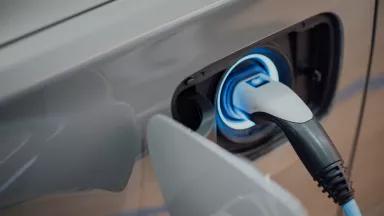
The Advanced Clean Cars Standards can help states mitigate climate change, improve air quality and health, and make the total cost of car ownership lower and more predictable.
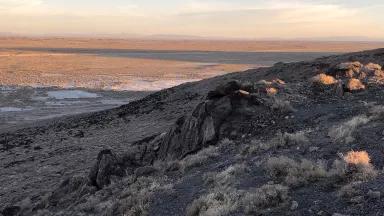
This year's annual defense bill contained an expansion of the Fallon Naval Air Station in northern Nevada—a compromise that strives to resolve complex land use issues and protect the environment.
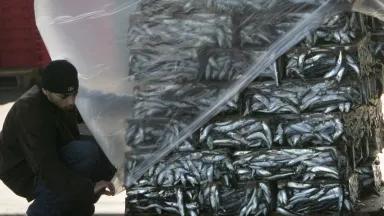
As the world’s largest seafood-importing nation by value, the United States holds outsize purchasing power and the market leverage necessary to help transform the seafood industry and eliminate destructive illegal, unreported, and unregulated fishing.