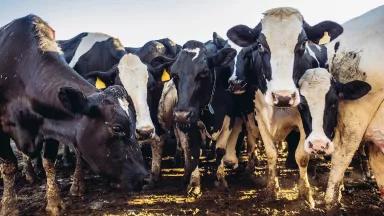
Today, Representative Casten (D-IL) introduced the Conservation Opportunity and Voluntary Environment Resilience (COVER) Program Act with co-sponsor Representative Axne (D-IA). The bill would codify a Good Steward Cover Crop program, which will mirror the Pandemic Cover Crop Program (PCCP) and…
NRDC (Natural Resources Defense Council) will host its fifth fundraising event, “Night of Comedy”, on Tuesday, September 20, 2022, at Cipriani South Street, Casa Cipriani in New York. The evening will pay special tribute to NRDC Honorary Trustee and Night…
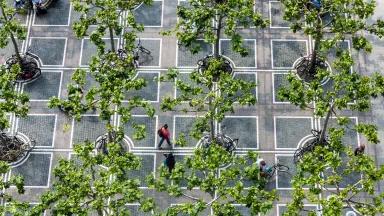
By relying on plants, soil, and natural systems to manage rainfall runoff, green infrastructure tackles urban water woes and boosts climate resilience. Here’s how.
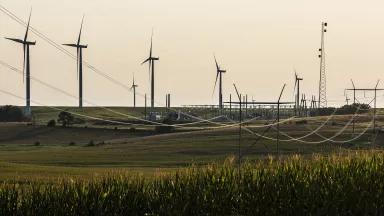
MISO's Board just approved the largest investment in transmission in the United States. These lines will bring on more clean energy and provide savings to customers. However, this is just the start.
To make good on these goals, the California legislature and the governor need to fund equitable building decarbonization programs in the state budget decisions they’re working on.
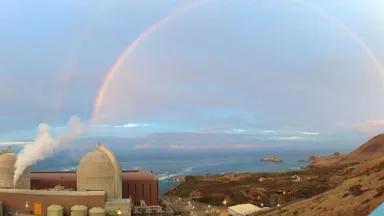
One of my friends recently suggested that the Diablo Canyon nuclear power plant was on the verge of becoming “another Lazarus.” The analogy is misplaced.
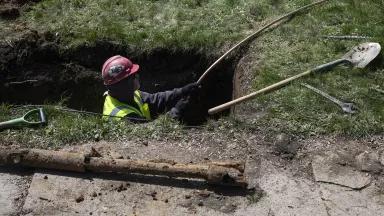
The Bipartisan Infrastructure Law includes a $15 billion commitment to replace the nation’s lead pipes, but key improvements are needed to equitably distribute funding and align this assistance with need.
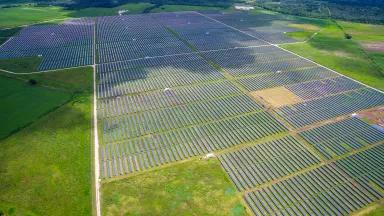
In a month that has seen Texas sizzle under record-breaking heat, solar, and wind power have been key to helping keeping the lights on—and air conditioners humming.
Community advocates, the water utility, and mapping experts collaborate to document
where Buffalo’s lead pipes are located, as records are incomplete or inaccurate
The negative effects of highways on communities have been well-documented. At long last, the U.S. Department of Transportation is moving to correct this injustice.
Thanks for signing up. You’ll receive your first NRDC action alert and update email soon!