I’m grateful to the Stanford Environmental Law Clinic, Winnemem Wintu Tribe, Shingle Springs Band of Miwok Indians, Little Manila Rising and Restore the Delta for compiling this clear and compelling history of California water.
NRDC (Natural Resources Defense Council) and the United Auto Workers (UAW) sued the U.S. Postal Service today over its plan to buy tens of thousands of polluting trucks for its fleet rather than cleaner electric vehicles.
The Food Donation Improvement Act of 2021 would address the current limitations of the 1996 Bill Emerson Good Samaritan Food Donation Act—and is a critical step towards increasing the amount of surplus food that is donated.
The world’s largest home improvement retailer has a prime opportunity to model supply chains that are aligned with a safe and sustainable future. Instead, it’s choosing to fall further behind, risking not just our forests but also its reputation and…
Today, Drax will hold its Annual General Meeting (AGM), where it will tell its shareholders and the world how great it's doing and claim that our planet's future depends on industrial biomass energy.
Kalamazoo's Affordable All-Electric New Homes Pilot showcases how new homes in Michigan and the Midwest can be built to be clean, healthy, and affordable.
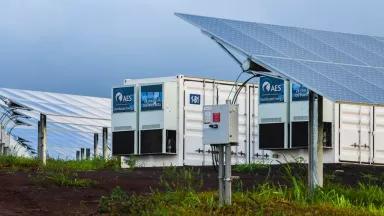
A bill to increase access to renewable energy for more Californians, such as through community solar with storage, passed through the Assembly Utilities and Energy committee today. If passed, the bill will provide clean energy access and bill savings to…
Upstate New York’s defunct power plants have become a hot spot for cryptocurrency operations, and Finger Lakes residents say they’re just another blight.
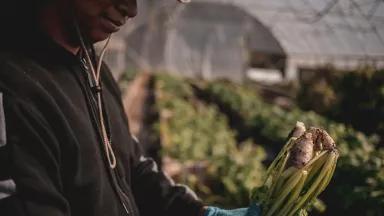
A new report provides recommendations across food waste prevention, surplus food rescue, food waste recycling, and coordination in food waste policy in the 2023 Farm Bill.
California's proposed standards require one-third of vehicles sold by manufacturers to be electric vehicles (EVs) starting in model year 2026, moving towards 100 percent of sales in 2035.
The final strategy brings California a big step closer to successful 30x30 implementation. This is a welcome change from when CNRA first released its draft version of the Pathways Strategy.