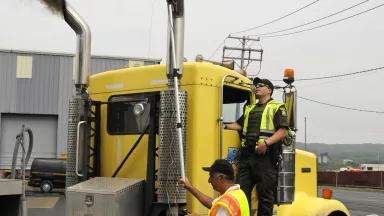
The Truck and Engine Manufacturers Association and their members file a hypocritical and self-defeating lawsuit to delay a lifesaving California clean truck regulation.
The Biden administration has rolled out the first of its long-awaited rules to promote fairness in the meat sector. It’s time for the agency to deliver meaningful change.
o meet our climate commitments, the United States must significantly reduce its current level of fossil fuel exploitation and not develop fossil fuel reserves in new areas.
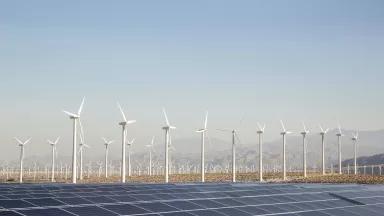
To continue to live and sustain our homes and families, we have to work together to improve our resilience and transition to clean energy, economic development, and new investments in family sustaining jobs in clean industries.
Issue BriefUnited States, East, WestLauren Kubiak, Brad Sewell, Sarah Chasis
To meet our climate commitments, the United States must significantly reduce its current level of fossil fuel exploitation, including by not leasing new areas for development.
With training and capacity-building programs, people can gain the requisite skills to have both more opportunities in the job market and support the country's green transition.
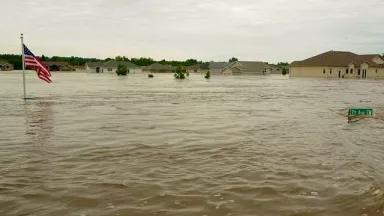
How and where the country’s public hospitals, roads, schools, seaports, and wastewater treatment plants are built must change to account for a warming world.
Today, the Environmental Protection Agency (EPA) noticed its publication of a Proposed Determination (PD) regarding the Pebble deposit for Bristol Bay the next step in the process that brings EPA one step closer to enacting 404(c) Clean Water Act protections…