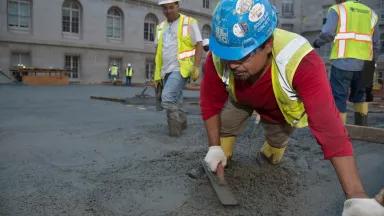
Concrete is the most common building material on earth, but its main binding ingredient, Portland cement, is a leading source of carbon dioxide pollution. This guide provides practical direction for policymakers and advocates on key best practices in this critical…
The California Department of Food and Agriculture, along with the Office of the First Partner Jennifer Siebel Newsom, recently released a roadmap for our state’s new and ambitious Farm to School Program.
The IPCC sends a clear and final warning that we must rapidly cut emissions to avert climate disaster. It also emphasizes that burning trees for bioenergy is a very risky way to do this—and may not even work at all.
Today the New York Public Service Commission approved a program called Tier 4, which will facilitate the delivery of approximately 3,000 megawatts of clean energy to the nearly 9 million people living in the NYC-metro area. Upon completion, these projects…
DispatchGibbstown, New Jersey, PennsylvaniaNicole Greenfield
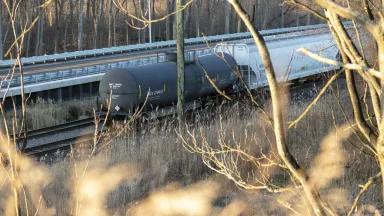
Imagine hundreds of trucks and train cars filled with highly explosive fuel coming through your community every day. These Pennsylvanians and New Jerseyans are fighting to extinguish the project—for good.
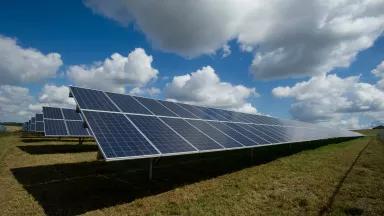
New York has become the top community solar market in the U.S., with more than one gigawatt (GW) of community solar installed and operational—enough to provide clean energy to more than 200,000 homes across the state.
Consumers Energy wants to speed up the retirement of its remaining coal plant—the J.H. Campbell Power Plant, located just outside of Grand Rapids—as part of its plan to become carbon-neutral by 2040.
California’s Air Resources Board proposed standards that would transition the state to 100% sales of zero-emitting vehicles by 2035--a plan that will protect drivers from high prices at the pump, cut health-harming air pollution, and help address the climate crisis.