Pacific Institute’s report, Untapped Potential, shows communities are using less water, even with an increase in population. The report also shows that we still have significant opportunities to continue to improve water efficiency and develop cost-effective supplies.
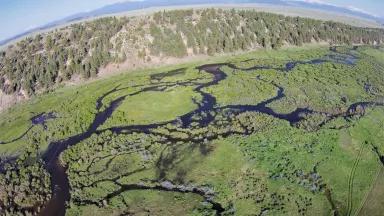
BLM has a ripe opportunity to dramatically increase the health of its landscapes by managing its riverscapes as a critical piece of natural infrastructure.
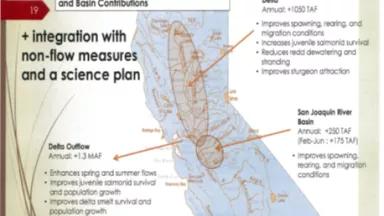
Since the State Water Resources Control Board began its public process to update the Bay-Delta Water Quality Control Plan in 2008, the amount of water proposed for the Bay-Delta environment has continuously shrunk.
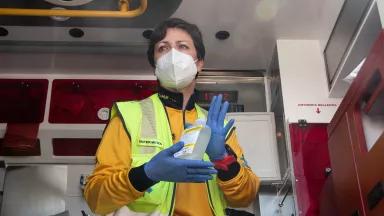
Dr. Cheryl Holder helps her patients and fellow physicians find holistic solutions to coping with the intertwined impacts of sickness and climate change.
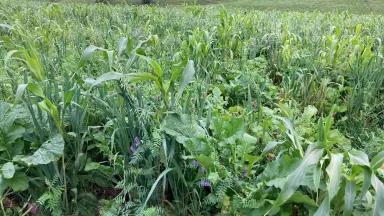
Governor Evers signed into law a bill that advances water quality and authorizes a program that offers farmers $5 per acre savings on their crop insurance if they plant cover crops, a regenerative agriculture practice.
There are specific drivers of food waste at every stage of the food supply chain—and while there is no silver bullet solution to address them all, there are actions that have significant environmental, financial, and social benefits.
EPA's new proposal to reduce pollution from heavy-duty vehicles and engines is long overdue—but it's weaker than existing state action and fails to advance the deployment of zero-emission trucks at the pace needed to address tailpipe exhaust.
Expert BlogUnited StatesYukyan Lam, Sara Imperiale
The Environmental Justice for All Act is an essential federal legislative effort to begin remedying the long history of environmental racism and injustice in the United States.
Expert BlogUnited StatesMatthew Kaplan, Lena Brook
The nation can and must support vital public health investments and nimble food systems as climate change increasingly threatens food and nutrition security.
Because of their massive environmental footprints, urban areas can play a huge role in curbing climate change. Ask these five questions of local leaders to see if your city is up to snuff.
The Recovering America’s Wildlife Act (RAWA) is a once-in-a-generation, bipartisan opportunity for America to invest deeply in halting the biodiversity crisis.