DispatchGibbstown, New Jersey, PennsylvaniaNicole Greenfield
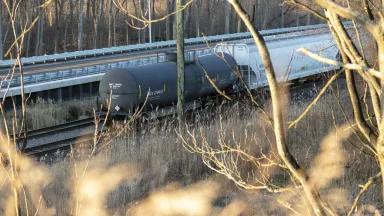
Imagine hundreds of trucks and train cars filled with highly explosive fuel coming through your community every day. These Pennsylvanians and New Jerseyans are fighting to extinguish the project—for good.
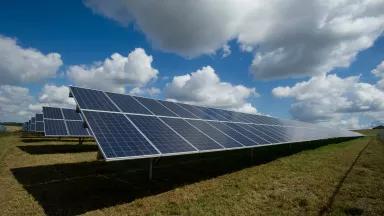
New York has become the top community solar market in the U.S., with more than one gigawatt (GW) of community solar installed and operational—enough to provide clean energy to more than 200,000 homes across the state.
California’s Air Resources Board proposed standards that would transition the state to 100% sales of zero-emitting vehicles by 2035--a plan that will protect drivers from high prices at the pump, cut health-harming air pollution, and help address the climate crisis.
Pacific Institute’s report, Untapped Potential, shows communities are using less water, even with an increase in population. The report also shows that we still have significant opportunities to continue to improve water efficiency and develop cost-effective supplies.
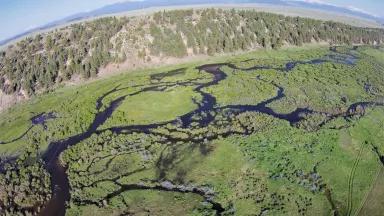
BLM has a ripe opportunity to dramatically increase the health of its landscapes by managing its riverscapes as a critical piece of natural infrastructure.
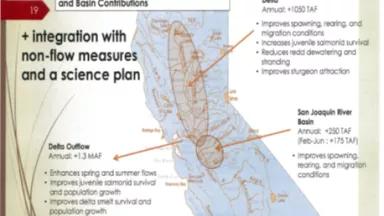
Since the State Water Resources Control Board began its public process to update the Bay-Delta Water Quality Control Plan in 2008, the amount of water proposed for the Bay-Delta environment has continuously shrunk.
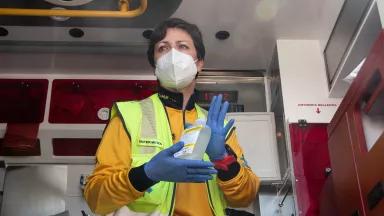
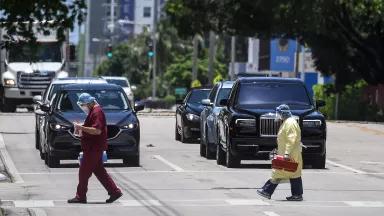
Dr. Cheryl Holder helps her patients and fellow physicians find holistic solutions to coping with the intertwined impacts of sickness and climate change.
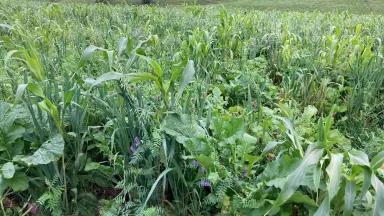
Governor Evers signed into law a bill that advances water quality and authorizes a program that offers farmers $5 per acre savings on their crop insurance if they plant cover crops, a regenerative agriculture practice.
There are specific drivers of food waste at every stage of the food supply chain—and while there is no silver bullet solution to address them all, there are actions that have significant environmental, financial, and social benefits.
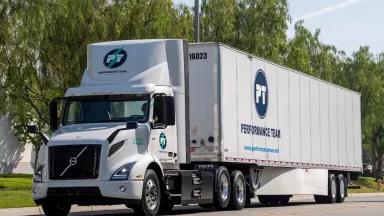
EPA's new proposal to reduce pollution from heavy-duty vehicles and engines is long overdue—but it's weaker than existing state action and fails to advance the deployment of zero-emission trucks at the pace needed to address tailpipe exhaust.
Thanks for signing up. You’ll receive your first NRDC action alert and update email soon!