ExplainerInternational, United StatesNicole Greenfield
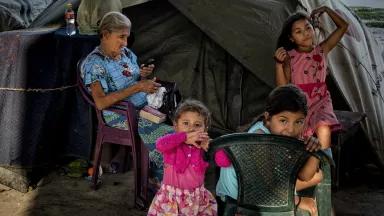
Inequality influences who can stay in climate-vulnerable locales and who can leave and thrive elsewhere. The world needs a plan that supports those climate refugees who can’t do either.
Expert BlogUnited StatesAtid Kimelman, Ridhwan Sediqe, Sara Imperiale
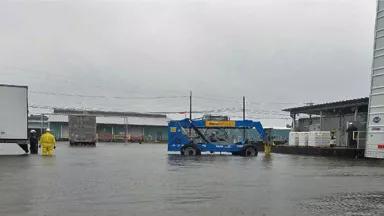
The proposal covers only those facilities that are capable of storing a threshold quantity of hazardous substances and are also within one-half mile of a waterway protected by the Clean Water Act.
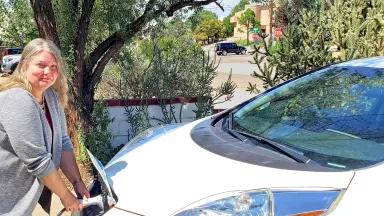
New Mexico is the 18th state to adopt the Advanced Clean Car standards, meaning drivers will have access to more pollution-free vehicles, which will save them money while slashing climate-harming pollution and improving air quality and health.
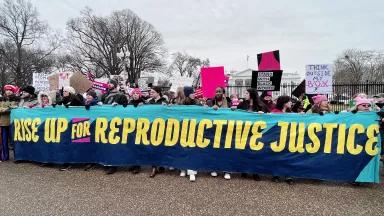
Just as climate change is having a heavier impact on women of color, ending protections of reproductive rights will also have greater impact on women of color.
The White House Council on Environmental Quality today appointed Dr. Jalonne White-Newsome, a Detroit native with strong experience in addressing environmental injustices on the local and national level, to be Senior Director for Environmental Justice.
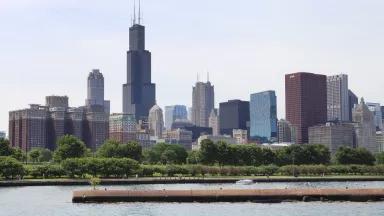
Chicago just released a new Climate Action Plan this week that lays out its long-term strategy for how to address some of the biggest climate challenges facing the third-largest city in the country.
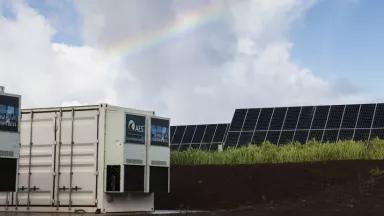
Market forces have driven a lot of coal power offline in the past decade—but regulatory barriers and outdated thinking by some utilities has led to missed opportunities to expand affordable clean energy resources.
Un borrador de la decisión de la Corte Suprema sobre el aborto en Mississippi fue publicado por Politico anoche. Si se aprueba, esta decisión anularía el caso Roe v. Wade.