As the climate crisis intensifies, scientists stress that conserving never-logged primary forests must be a global priority for protecting carbon stores.
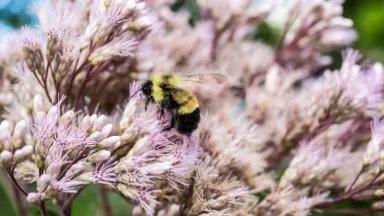
New Jersey has enacted legislation that significantly curtails use of neonicotinoid pesticides, or "neonics," insect-killers that are a leading cause of mass bee losses, contribute to declines in birds and other wildlife, and pose risks to human health.
The Whitmer administration released a draft climate action plan for Michigan titled Draft MI Healthy Climate Plan. The release of the draft will begin a public comment period, that runs through February 14, to inform the Council on Climate Solutions’…
While the beginning of 2022 may feel less certain than we’d all hoped, we’re looking forward to fighting for environmental progress in the State Capitol and beyond.
It's critical for Secretary Granholm to emphasize the importance of climate change for the U.S. and urge her Mexican counterparts to work toward a just energy transition based on sustainable renewable sources.
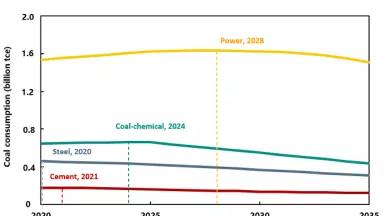
Joint research by NRDC and Chinese Academy of Environmental Planning (CAEP) finds that China’s top coal-consuming sectors—power, steel, cement, and coal-chemicals—can collectively peak both coal consumption and carbon dioxide emissions in 2025.
Leading legal, foreign policy and environmental groups are urging the Biden administration to step up climate diplomacy and push back against policies by the government of Mexico that promote fossil fuel electricity at the expense of clean energy. These practices…
New Jersey Governor Phil Murphy signed into law A2070 (Calabrese)/S1016 (Smith) today, which prohibits most outdoor non-agricultural uses of harmful neonicotinoid pesticides. An outpouring of scientific evidence points to neonics as a leading cause of bee losses; a threat to…
Biden announces 3 Federal Reserve Board Governor nominees, with Sarah Bloom Raskin at the top to be the new Vice Chair for Supervision. Great choices to help the Fed meet its mandates.
OverviewUnited States, CaliforniaSandy Aylesworth, Kate Poole, Helen O'Shea
From the iconic redwood forests to coastal kelp forests, California is a biodiversity hotspot. Protecting at least 30 percent of these natural places will help make them more resilient to a changing climate.
Thanks for signing up. You’ll receive your first NRDC action alert and update email soon!