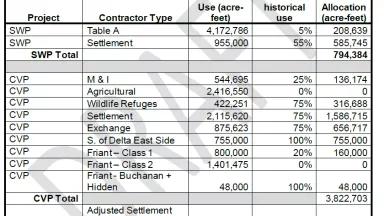
There is no time for half measures, like those proposed in the Interim Operations Plan, if we are going to stop the destruction of the Bay-Delta’s native fish and wildlife.
The Environmental Protection Agency finalized clean car standards for model years 2023-2026, as President Biden moves to re-establish and strengthen vehicle standards gutted by the Trump administration.
By adopting the Advanced Clean Trucks (ACT) rule—which requires an increasing number of zero-emission truck sales each year in the state—New Jersey took a major step to reduce harmful air pollution.
The Biden Administration today released its first annual progress report on its America the Beautiful initiative to reduce biodiversity loss, defend against climate change, and increase equitable access to nature. The report outlines the progress made in conservation and restoration…
The White House issued a statement today pledging to press on with its Build Back Better legislation in the face of what it called an “inexplicable reversal” on the bill by a Democratic senator.
India has taken strong strides on its clean energy transition. While India's energy needs are expected to grow, energy efficiency can help meet them cost-effectively while leaving a better environment for the next generation.
The US Department of Energy finalized a rule this week that eliminates the Trump-era change that allowed for the sale of new multi-nozzle showerhead arrays to bypass the efficiency standard in place for showerheads since 1994.
The Biden administration, Congress, and leading states are all taking action to leverage the government’s purchasing power to help decarbonize these important industrial sectors.
The agency must finish repealing harmful Trump-administration efficiency standards regulations to avoid needlessly deferring immense consumer and environmental benefits.
NRDC and a coalition of partners filed technical comments on the Draft Environmental Review of the largest biofuel refinery conversion project in the world today.
Transportation investments from the bipartisan infrastructure bill could be either a boon for sustainable mobility choices, or a boon for harmful carbon emissions, researchers at Georgetown University said in a new report.