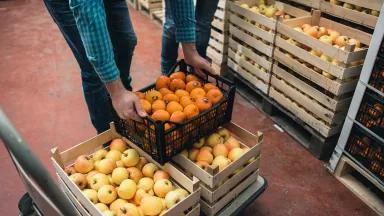
We are in the critical decade for food waste action. As we progress toward our national goal to reduce food waste generation by 50% by 2030, despite navigating life through a pandemic, good work to reduce food waste continues. This…
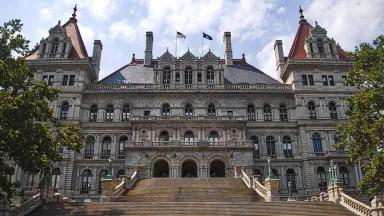
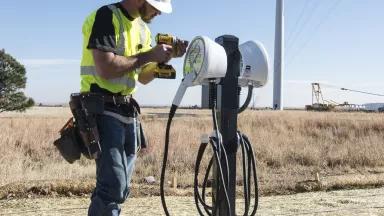
New York State secured several key environmental and public health victories in 2021—and that momentum is continuing into 2022, as we push for bills to expand the use of electric vehicles, improve energy efficiency, promote food security, and reduce toxic…
Burnett Oil Company ravaged Florida panther habitat in the Everglades’ Big Cypress National Preserve to hunt for oil over three years ago, yet still hasn’t completely fixed the damage.
The Biden administration issued guidance today that will finally end longstanding U.S. financial support for overseas gas and oil projects—opening the door to investments in clean energy projects worldwide that will create jobs, protect public health and address the climate…
Date labeling inconsistencies are one of the leading causes of food waste in the U.S. The power to standardize date labels lies with the federal government and a bi-partisan group of legislators has just introduced bills in the House and…
Expert BlogUnited StatesCullen Howe, Tom Rutigliano
Most people believe the United States has a power grid that stretches from coast to coast. But the reality is that we have a patchwork of local and regional grids run by many different utilities. The limited “interregional” transmission lines…
Expert BlogPhiladelphia, PennsylvaniaEmily Barkdoll, Mark Szybist
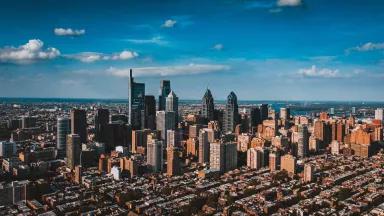
Philadelphia’s Office of Sustainability and Philadelphia Gas Works (PGW), the City-owned gas utility, have released a report summarizing the findings from the Philadelphia Gas Works Business Diversification Study, an exploration of pathways for PGW, its workers, and its customers to…
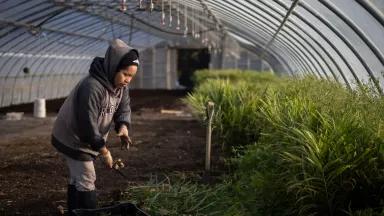
Farming organically and regeneratively—with careful attention to soil health and ecosystems, and without reliance on fossil fuel-based pesticides and fertilizers—is a key piece in the climate puzzle, as well as a recipe for long-term resilience in our food supply.
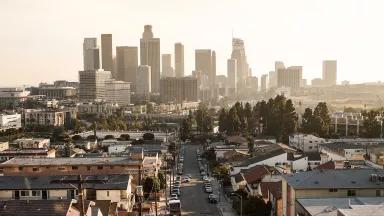
In Los Angeles, buildings are the top source of carbon pollution, and the city is taking bold steps to end these harmful emissions completely by 2050. As city leaders and other stakeholders consider how to achieve these emissions reductions equitably…