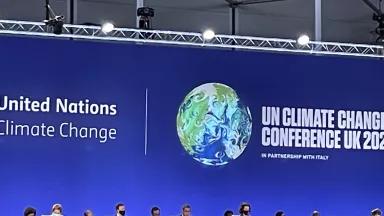
Leaders came to Glasgow with the task of putting the world on a much more plausible pathway to “keep 1.5°C alive”. To do that, they needed to set more ambitious commitments and take noticeable steps to strengthen their actions right…
COP26, the global climate conference in Glasgow, Scotland, is concluding with modest successes on nations committing to stronger climate measures; to expand clean energy; to end financing fossil fuel projects overseas; to ramp up sales of all-electric vehicles; and other measures…
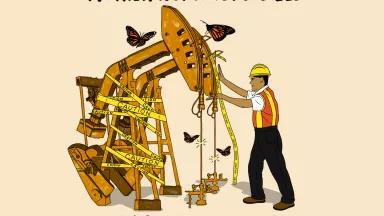
For close to a decade, the STAND-L.A. coalition has been calling on the city to stop extracting oil near homes and schools. Victory, at long last, is within reach.
Now more than ever, governments must lean into labor laws that protect workers and environmental standards that accelerate the transition to zero-emission freight movement, all to help untangle supply chains and mitigate pollution.
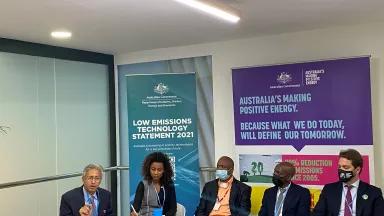
The governments of Costa Rica and Denmark today launched the first country-led effort to accelerate a global shift from oil and gas production to clean sources of energy. At COP26, they unveiled the Beyond Oil and Gas Alliance, which supports…
The law has been extremely effective in training anti-wildlife trafficking staff in trafficking hotspots, increasing prosecutions of traffickers, and harnessing U.S. resources to help countries better combat wildlife trafficking within their borders.
The United States and China announced plans today at global climate talks in Glasgow to work together this decade on controlling climate pollution, reducing deforestation and advancing clean energy to address the climate crisis.
At COP26 today, six major automakers — among them Ford, Mercedes-Benz, General Motors and Volvo — and 30 national governments, including Canada, the UK, India and Mexico, committed to 100 percent sales of electric vehicles by 2040 globally, and by…
Local green banks and development finance institutions have a key role to play in channeling public finance to where it’s most needed most and unlocking private capital to jump start new local green markets.
More than 50 groups urge EPA to issue permanent protections for Bristol Bay, Alaska under Section 404(c) of the Clean Water Act by the start of the 2022 fishing season.
In a key moment at COP26, over one hundred countries signed the Glasgow Declaration at COP26, which aims to halt and reverse forest loss and land degradation by 2030.