Colorado's plans for cutting greenhouse gas pollution from transportation should prioritize benefits for communities most burdened by freeways and poor air quality.
At the start of the pandemic, many consumer, environmental, and community advocates urged both federal and state governments to undertake the responsibility of ensuring that people had access to shelter and energy in this critical time.
Responding to request from Bristol Bay tribes—and dealing another blow to destructive Pebble Mine—EPA tells federal court it will move to vacate Trump Administration’s decision to withdraw safeguards against mining in headwaters of Bristol Bay wild salmon fishery.
A bill aimed at reducing greenhouse gas emissions from the production of cement is headed to Governor Newsom’s desk today after passing out of the state legislature. Cement is a major source of local air pollution and California's second-largest industrial…
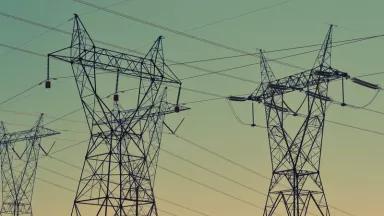
A little-known investment program in the reconciliation package before Congress would create 7.7 million jobs, generate $1 trillion worth of economic growth and drive the U.S. electricity sector toward 80% clean energy, according to a new study commissioned by Evergreen…
Facing a lead-contaminated drinking water crisis, today Governor Gretchen Whitmer proposed to seek “every federal, state and local resource available” to raise $20 million to replace Benton Harbor’s lead water pipes, repair the city’s water infrastructure, and provide drinking water…
NRDC (the Natural Resources Defense Council), together with Sierra Club and the Environmental Integrity Project, sued the Environmental Protection Agency today to force it to fulfill its Clean Air Act obligations and require states to close polluter loopholes in state…
New York State announced the process to adopt the Advanced Clean Truck (ACT) rule began today. The rule--which requires truck makers to produce an increasing number of clean, zero-emission trucks--will cut dangerous, polluting fossil fuel emissions throughout the state. Advocates…
As climate change makes catastrophic events like Hurricane Ida, the Caldor and Dixie fires in California, and prolonged drought in the southwestern United States more likely and more severe (and recovery more costly), we need an overhaul of how we…
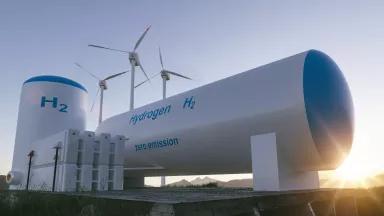
Tech-crastination is an appropriate characterization of the gas industry’s claims around the suitability of hydrogen as a solution to decarbonize buildings, even though heating homes with hydrogen is one of the least-efficient and most costly options available.
Thanks for signing up. You’ll receive your first NRDC action alert and update email soon!