The Sustaining America’s Fisheries for the Future Act would reauthorize and recharge the Magnuson-Stevens Act—a promising sign for sustainable fisheries and coastal communities.
U.S. Representative Jared Huffman (D-San Rafael), chair of the House Subcommittee on Water, Oceans, and Wildlife, and U.S. Representative Ed Case (Hawaii's 1st District) introduced a bill today to reauthorize the Magnuson-Stevens Fishery Conservation and Management Act.
Given the urbanization of our nation, the overdue focus on racial inequity and the threat of climate change, our nation needs to invest much, much more in cleaner transportation options, especially public transit.
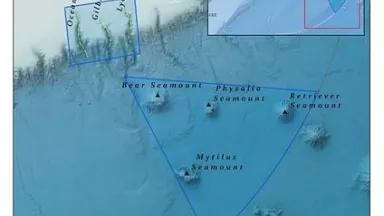
On July 27th, NOAA's remotely-operated vehicle will be piloted down to the slope of Retriever Seamount in the Northeast Canyons and Seamounts Marine National Monument to view its biodiversity and geology up close—and you’re invited!
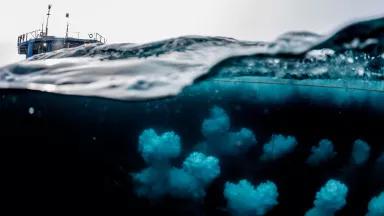
Among the animals at greatest risk from the impacts of seismic testing is the Gulf of Mexico whale—one of the most endangered marine mammals on the planet.
Groundbreaking voter led ballot initiative to curb single-use plastic pollution impacts on people, wildlife and climate qualifies for November 2022 election
NRDC and partner groups Healthy Gulf, Center for Biological Diversity, the Association of Zoos and Aquariums, and the Surfrider Foundation sued the National Marine Fisheries Service (NMFS) today over a Trump administration decision to allow extensive seismic airgun testing in…
Today the Boston City Council held a public hearing on an ordinance amendment introduced last month which would require existing buildings 20,000 square-feet and larger to reduce their carbon footprint over the next 30 years. Boston is only the fourth…
We must act now to establish the policies to get there while supporting the economic recovery with newly created jobs and public health benefits that will make for healthier people and communities throughout the nation.
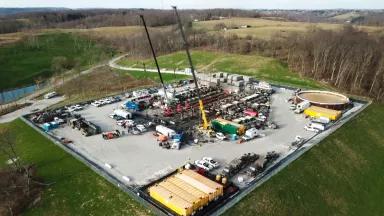
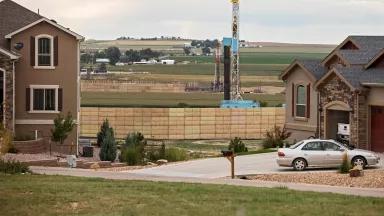
Oil and gas extraction activities, including fracking, drilling, and production, can release radioactive materials that endanger workers, nearby communities, and the environment.
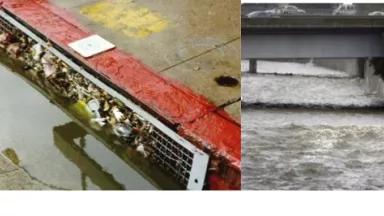
This Friday, the Los Angeles Regional Water Quality Control Board will decide whether to clean up Los Angeles’s urban runoff problem, or to continue to let polluters use our waterways as their dumping grounds.
The U.S. oil and gas industry produced an estimated one trillion gallons of produced water in 2017. And this waste—along with drilling and fracking waste—can contain radioactive elements known as “technologically enhanced naturally occurring radioactive material,” or TENORM. A new…
Thanks for signing up. You’ll receive your first NRDC action alert and update email soon!