Our transportation system—the lifeblood of our economy—directly impacts the quality of our lives, and the life of the nation, every day and in every community. It’s time to move forward.
The Environmental Protection Agency today announced it will reconsider a December 2020 Trump administration refusal to strengthen National Ambient Air Quality Standards (NAAQS) for soot, noting that the current standards may not protect public health and welfare, as required under…
The Biden administration has taken huge strides in acting on climate and should now move forward to take one of the most important actions to protect the ocean and those who depend on it, and to combat the climate crisis…
California utility customers contribute over $100 million every year to subsidize gas connections for new customers. But it doesn’t make sense to keep extending gas pipelines as California moves away from using fossil fuels that add to the climate problem…
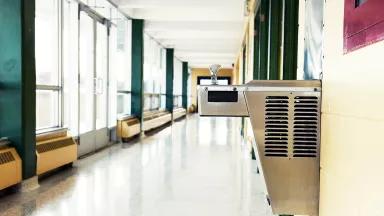
The New York State Legislature passed a bill (S2122-A / A160-B) in the closing days of this legislative session to require more stringent measures to reduce lead in drinking water in schools. This is a huge victory for kids!
Expert BlogUnited StatesRegan Nelson, Dr. Francine Kershaw
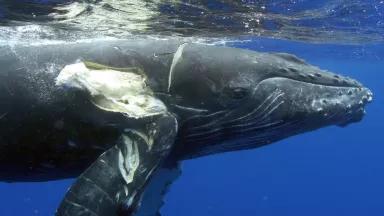
The Oceans-Based Climate Solutions Act, legislation led by Chairman Raul Grijalva, puts forward smart and proven solutions to make our seas safer for whales.
Decarbonizing concrete and, by extension, cement, is a key opportunity for climate action. We can’t hit our climate targets without policies to zero out emissions from this sector.
TC Energy reportedly will announce it is canceling the controversial Keystone XL tar sands pipeline, putting an end to a fossil fuel project that endangered waterways, communities and the climate, which President Biden denied a key permit for on his…
The INVEST Act is a historic, visionary proposal. It breathes new life into the transportation debate and offers a real down payment on the President’s American Jobs Plan. Now is the time to move forward with this exciting bill.