Climate change is a “threat multiplier” that is worsening existing health and economic burdens, particularly for the most vulnerable among us, including children, low-income communities, and people of color.
When he meets with President Biden this week, South Korea President Moon Jae-in has a golden opportunity to show his country means business when it comes to tackling climate change and doing its part to protect the world from a…
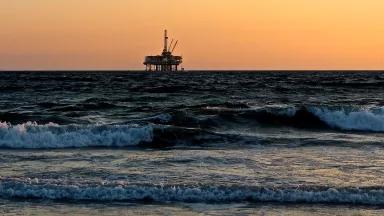
Recent House and Senate hearings on the future of offshore oil and gas leasing raised questions about how best to phase out leasing of our federal waters to oil and gas companies.
The devastating conditions in Jackson, Miss., Flint, Mich., and other cities demonstrate the need for changes in federal tax policy to bring about a fairer, more equitable and cleaner nation, an NRDC expert is telling lawmakers today.
Expert BlogUnited StatesRebecca Loomis, Dr. Francine Kershaw
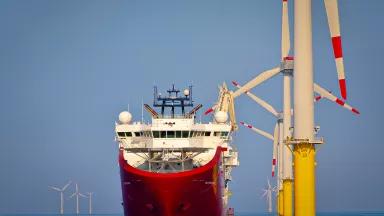
After a decade of dreaming, the prospect of commercial-scale floating offshore wind developments here in the United States is becoming a reality. Floating turbines will make renewable wind energy accessible to parts of the United States where it was previously…
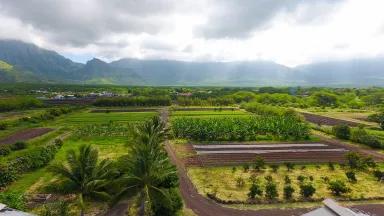
Inspired by an ancient system of natural resource management, Kukui Maunakea-Forth works with her community to turn Oʻahu youth into farmers—and scholars.
In its pathway to limit warming to below 1.5C, the IEA finds that there is no need for investment in new fossil fuel supply or for the development of new oil and gas fields.
India, currently battling a severe second wave of the COVID-19 pandemic, is facing multiple climate stressors simultaneously. Fueled by climate change, heatwaves and other extreme weather events are longer, more frequent, and more intense.
Ending new federal leasing now and using existing, undeveloped leases as a runway to transition and support fossil-dependent economies presents a far more durable, forward-looking economic path to a clean energy future than taking industry’s advice and burying our heads…