To be truly climate-smart and protective of our health, infrastructure policies and projects need to account for the inequitable burdens of disruptions such as power outages.
Concrete’s long-term climate relevance is not limited to emissions reduction: this ubiquitous material could one day serve as a global carbon sink. New and emerging technologies that can capture, utilize and store CO2 across multiple manufacturing phases and components of…
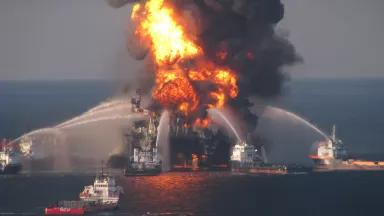
Offshore oil and gas leasing poses a threat to our coastal economies and the health of our ocean. Citizens, local communities, and elected officials from both parties recognize this danger and have been vocal in their opposition to new leasing…
Scientists are trained to question and probe uncertainties, which is valuable for scientific progress, but not necessarily helpful for clear communication of the evidence to support protective policies and timely action.
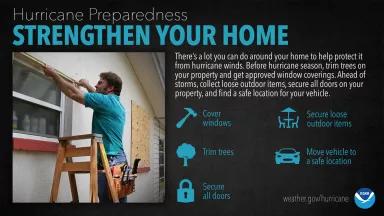
We need to ensure our essential infrastructure and health services are ready for this hurricane season and the increasingly dangerous hurricane seasons to come under climate change.
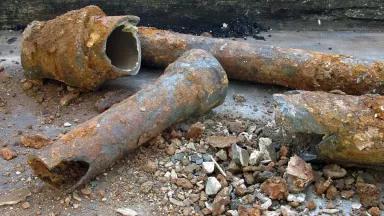
There's an unprecedented opportunity to finally fix the scourge of lead-contaminated tap water, and to address our decrepit drinking water and sewer systems. But we must act now!
Requiring a strong flood protection standard and application of the latest building codes for any federal infrastructure investments will help ensure those investments are safe for the people and communities who will rely on them
Expert BlogUnited States, North CarolinaPaloma Sisneros-Lobato
Pork producer Smithfield Foods, in partnership with Dominion Energy under the new name Align RNG, have focused their corporate agribusiness agenda on building a network of directed biogas to generate energy from methane gas, rather than investing in cleaner waste…
Expert BlogInternational, United StatesSandy Aylesworth
The Illegal Fishing and Forced Labor Prevention Act calls for an innovative, whole-of-government approach to the global seafood industry that is long overdue.
To help ensure the survival of this desperately endangered species, NRDC and our partners are asking the government to establish rules to prevent deadly vessel strikes.
NRDC and partners filed a petition today with the National Oceanic and Atmospheric Administration National Marine Fisheries Service (NOAA Fisheries) to establish a year-round mandatory 10-knot speed limit and other vessel-related regulations within the core habitat of the Gulf of…