We need Congress and the Biden administration to immediately restore protections for birds with an incidental take permitting program under the Migratory Bird Treaty Act.
Bowing to the whims of coal barons, the nuclear industry, and chemical companies, the Trump administration is announcing a final rule today that would severely restrict the use of peer-reviewed science in setting pollution and toxic chemical limits.
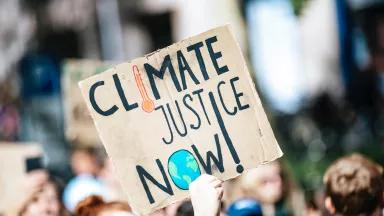
In 2021, the U.S. has a critical opportunity to avert an even worse climate crisis, by building off of the lessons of 2020, which points to a more unifying approach to tackle the climate, economic, and racial justice crises in…
The New York City Department of Parks and Recreation continues to bungle what should be an easy assignment for the storied 87 year-old agency—understanding the urgency of the climate crisis and embracing composting as a strategy that can help curb…
With Virginia’s economy now in a perpetually uncertain new normal, inflated energy costs are a commonsense place for lawmakers to trim unnecessary “drag” on our state’s economy.
The Trump administration is continuing its assault on common-sense energy efficiency standards to the last, this time fabricating a new loophole for dishwashers that opens the door to unfettered water and energy waste. The Department of Energy (DOE) created a…
As we look back at 2020 and reflect on what comes next for North Carolina in clean energy and climate one thing becomes clear, Governor Cooper’s climate and clean energy legacy will be determined by the ability to take the…
Expert BlogInternational, United StatesElizabeth Murdock, Dillon Hanson-Ahumada
This ruthless rush for seafood is depleting fish populations; harming marine habitats; and placing key species—like marine mammals, sea turtles, and sharks—at risk.
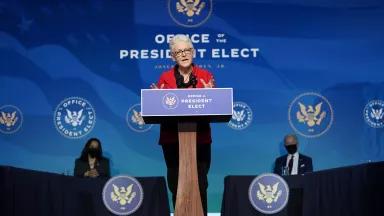
In January, I will be joining the Biden–Harris powerhouse of a Climate Cabinet, and NRDC will continue the work to build a cleaner, healthier, more just and equitable world.
Honolulu Mayor Kirk Caldwell today signed a long-awaited package of climate legislation that will help reduce carbon emissions and save money for residents and the City.
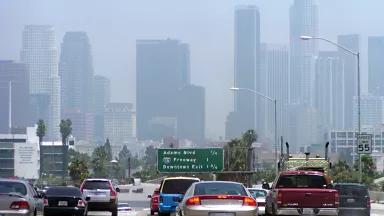
The Environmental Protection Agency today finalized a rule keeping the current limits on smog in place, foregoing the opportunity to better protect the public, reduce asthma attacks and save thousands of lives with a stronger standard.