NRDC (Natural Resources Defense Council) today announced that it has been selected to receive a $100 million grant from the Bezos Earth Fund in recognition of the organization’s work to accelerate climate action.
Join us for the CII Green Building Session with NRDC and ASCI on Wednesday on state level progress on green buildings - featuring state government speakers.
Our roadmap for P&G's success lists specific actions the company should take to embrace transparency, accountability, and responsibility in its supply chains.
It is time to end public investment in new buildings that burn fossil fuels for heating and cooking, locking residents into decades of pollution and undermining California’s climate progress.
Given India’s goals to significantly reduce the energy required for cooling, effective implementation of policy mechanisms such as efficiency standards and labels is essential.
A new report finds that while governments and financial institutions are laboring hard to unlock the investment needed to meet climate and sustainable development goals, green banks can efficiently and effectively help overcome market barriers and channel investments into low…
The State of New Jersey today sued the manufacturer Solvay Specialty Polymers USA and other companies for contaminating drinking water and the environment for decades with PFAS “forever chemicals.” New Jersey is one of the few states in the nation to have adopted limits…
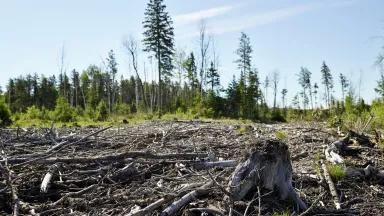
As P&G shareholders call on the company to issue a report on its efforts to eliminate deforestation and intact forest degradation in its supply chain, P&G has the opportunity to rectify its role in forest destruction.
There’s no slowing down Columbus, Ohio, as it continues to stride forward on climate action. On Energy Efficiency Day, October 7, the city celebrated a major achievement: the completion of more than 30,000 home energy audits within just two years.