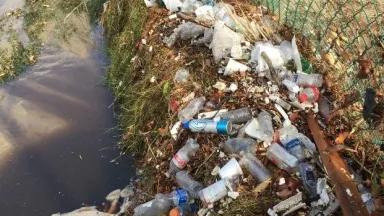
The Nuclear Regulatory Commission took action yesterday to start work on a rulemaking that could prevent a future U.S. Environmental Protection Agency from ending the wanton contamination of groundwater across the Mountain West generated by uranium mining.
Our decisionmakers need to think long-term and tie economic recovery with support for our small- and mid-sized farmers, our essential workers, and climate-smart agriculture programs.
Our homes, workplaces, and other buildings are often the foundations of our sense of comfort and community—they are also foundational to climate action.
Elijah Carter, a 31-year-old retail professional who recently bought and made energy-efficient upgrades to his first home, discusses the importance of energy efficiency education in cities like his native Columbus, Ohio.
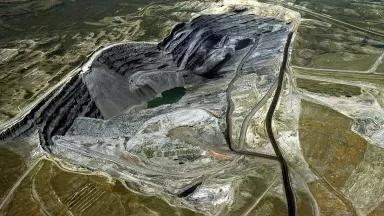
The Bureau of Land Management failed to comply with the National Environmental Protection Act when it approved management plans in the Powder River Basin.
Known for its beautiful lakes, majestic landscapes, and abundant wildlife, the Jicarilla Apache Nation reservation in northwestern New Mexico will soon become known for another impressive environmental feature: a 400-acre solar farm.
A year after the Kayenta Mine was closed, both the energy company behind it and the federal government overseeing it have done little to restore the lands they’ve trampled.
Every day, an estimated 100 million gallons of runoff contaminated with various pollutants flows through L.A.’s massive storm drain system to foul our rivers, creeks and, ultimately, our coastal waters.