California could electrify millions of homes while giving an economic boost to the residents who need it most, but policies must be designed with an understanding of where and under what conditions low-income Californians live. A new, in-depth analysis of…
A new report released today shows how Colorado can reach its ambitious climate goals in a way that cuts dangerous pollution, particularly in communities disproportionately impacted by air pollution. The findings highlight the need for swiftly powering the electric sector…
Ignoring shocking undercover videotapes released last week, CEO of Canadian owner of proposed Bristol Bay copper mine asserts “rule of law” dictates approval of federal permit.
In the middle of a pandemic, an economic recession, and everything else that 2020 is throwing at us, in early August the California Department of Water Resources (DWR) filed a lawsuit against every Californian to authorize spending an unlimited amount…
Court CaseInternational, United States, AfricaClosed
The Trump administration’s International Wildlife Conservation Council—which promoted the killing of elephants, lions, and giraffes by U.S. trophy hunters—was unbalanced, deceitful, and illegal.
A new report outlines pathways for the state to achieve the greenhouse gas emissions reductions required by HB-1261—as well as the health and equity implications of statewide climate actions.
Rather than strengthening the desperately outdated Lead and Copper Rule to protect people’s—especially children’s—health, the agency chose to weaken it.
A draft of the U.S. Environmental Protection Agency’s (EPA) final revision of the Lead and Copper Rule (LCR) revealed today indicates the agency will significantly weaken public health protections against lead contaminated drinking water being delivered to millions of homes…
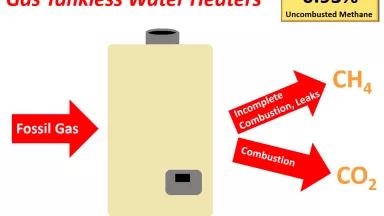
Gas tankless water heaters may not be that much better for the climate when accounting for methane emissions—the primary component of gas and a climate-warming super pollutant—finds a study by Stanford researchers.
With the Schools and Communities First initiative, voters have an opportunity to provide more stable funding to cities and counties, including K–12 schools and community colleges.
The House of Representatives is poised to pass an energy package today, a first step on a path toward more comprehensive climate action in the coming years. The House bill includes measures to boost energy efficiency programs and funding, solar…
Land designated as a National Forest belongs to the American people—and we, ordinary citizens, have a say in how that land is managed. This guide will help individual citizens and advocacy groups engage in forest planning and ensure sustainable and…
Pebble Limited Partnership CEO Tom Collier resigns two days after release of undercover videos showing him bragging to hoped-for investors about political influence to promote a massive 200-year mining scheme at the headwaters of Bristol Bay.