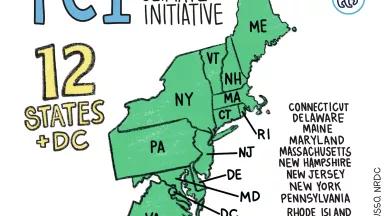
By cleaning up air pollution, making streets safer, and enabling healthier forms of active transportation, like walking, biking, and public transit, the Transportation and Climate Initiative program is projected to generate annual public health benefits of up to $11.1 billion…
Communities across United States face the joint challenges of climate change and growing inequality. Properly addressing these challenges means first understanding the unique situation of each community—where they are vulnerable and where policies will have the greatest impact.
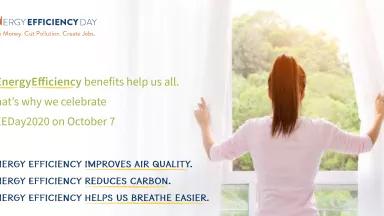
These benefits and more are worth celebrating on this week’s fifth annual Energy Efficiency Day, especially at time when America faces so many challenges.
As NRDC’s California state lead for clean energy and equity, Alexis Cureton is working to ensure that communities of color help shape energy policy, both inside and outside of the energy sector.
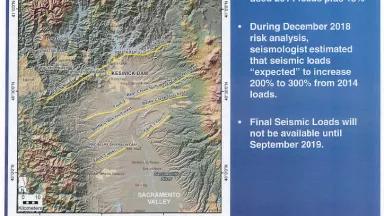
The Trump Administration’s efforts to enlarge Shasta Dam was always a bad idea. In addition to being illegal under California law, it’s been clear for years that raising the height of the dam would destroy Native American sacred sites, harm…
California's water resilience portfolio presented an opportunity for the Governor to think creatively about water resiliency strategies. Instead of proposing new ideas, or championing holistic improvements to water health using soil, the Administration leaned on existing efforts.
HB 6 contains what some have called a “decoupling” provision, but this section of the law passed last year had absolutely nothing to do with energy efficiency (which HB 6 effectively extinguished as a priority for all the state’s major…
A discussion on how green banks and catalytic green financial institutions around the world are responding to the challenges and opportunities of economic recovery.