Most of the country’s Black Lives Matter protests are happening outside of cities—in communities exclusively designed for middle-class whites but increasingly diverse and grappling with policies that foster segregation.
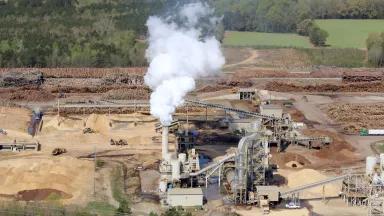
Established science now shows that burning biomass from forests for electricity is not a climate solution within timeframes relevant to addressing climate change. The Select Committee’s plan recognizes this science and squarely positions its policies in contrast to those of…
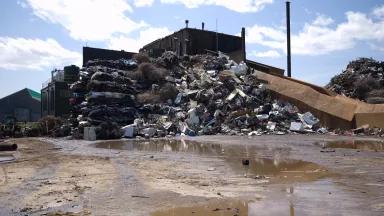
On June 25, the Illinois Environmental Protection Agency (“IEPA”) granted an air permit that will enable the relocation of a notorious metal shredding operation from Chicago’s wealthy and largely white Lincoln Park to the Southeast Side environmental justice community. In…
Expert BlogUnited StatesDerek Murrow, Ben Longstreth, Sam Krasnow
The power sector has the potential to deliver much of the solution to the climate crisis if we can clean the grid and electrify many other sources of emissions.
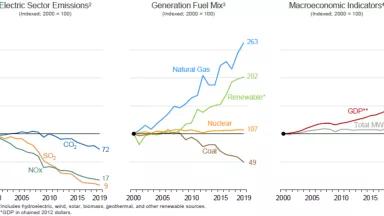
The trends show that, as the U.S. economy recovers, there are significant opportunities ahead to push for a more prosperous clean energy future that prioritizes emission reductions and investments in the communities that have borne disproportionate pollution burdens.
Expert BlogCalifornia, United StatesPierre Delforge
California has just adopted an energy code specification for grid-friendly and super-efficient water heaters that will help decarbonize buildings and the electric grid while saving Californians money on their utility bills.
Illinois can’t go back to the old “normal,” but as we recover from coronavirus, we can chart a new path forward that centers equity and sustainability.
Before the pandemic, power sector emissions fell eight percent as the economy grew. Coal generation continued to decline as renewable energy expanded and more corporations committed to net-zero carbon emission goals.
If Congress doesn’t urgently act, U.S. households that are most vulnerable to the health and economic impacts of the COVID-19 pandemic face the increasing threat of evictions at the worst possible time—and America risks a consumer debt time bomb.
Expert BlogNew JerseyKathy Harris, Eric Miller, Rebecca Behrens
New Jersey’s transportation sector is responsible for 42% of the state’s greenhouse gas emissions, making it the state’s largest source of climate pollution; achieving the state’s climate goals will only be possible if New Jersey aggressively tackles transportation emissions head…
Thanks for signing up. You’ll receive your first NRDC action alert and update email soon!