Governor Cuomo and the New York State Legislature today unveiled a series of critical environmental priorities as part of the Fiscal Year 2021 New York State Budget – including a much-needed boost to developing renewable energy projects, a ban on…
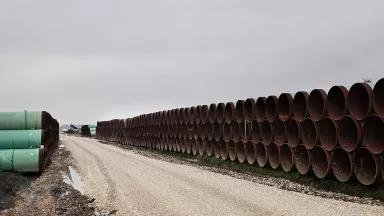
The government of Alberta announced today that it is making a direct investment of more than $1 billion into the Keystone XL tar sands pipeline and a further $4.2 billion in loan guarantees. NRDC will continue to fight this project…
The Trump administration today took steps to gut vehicle pollution and fuel efficiency standards, which reduce massive amounts of toxic air and climate pollution from the nation’s cars and trucks.
Negotiated by local groups, the settlement will address the city’s long-standing lead contamination while prioritizing the health of its most vulnerable residents.
Michigan Governor Gretchen Whitmer today issued a moratorium on the practice of shutting off water in homes with unpaid bills. The order also requires already disconnected homes to be safely reconnected to water. For years, community activists in Detroit and…
Governor Tom Wolf today upheld his promise to veto HB 1100 – a bill that would give tax breaks to fossil fuel plants that use fracked gas to manufacture petrochemicals. This comes at a time when Pennsylvanians increasingly want the state to…