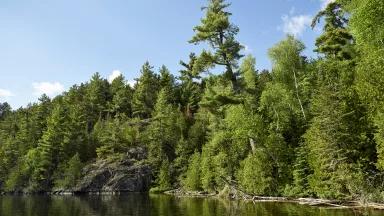
On October 28, 2020, the Trump administration announced it will open the state’s pristine old-growth rainforest—the largest in the United States—to the logging industry.
On October 15th, Michigan became the first state in the U.S. to introduce with bipartisan support NRDC’s Filter First model legislation to protect kids from lead in schools and daycare facilities.
One of the main reasons that neonics are so harmful is that they are designed to be systemic—that is, to get into the system of the plant, making the pollen, nectar, and other parts of the plan toxic to insects…
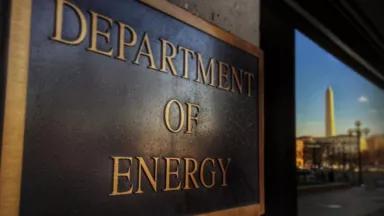
The Trump administration’s Department of Energy (DOE) has proposed NOT to update the minimum efficiency standards for light bulbs and groups like NRDC will defend them.
Virginia’s outdated utility system poses economic challenges, but with Delegates Aird, Jones, and others leading the charge in 2020, better, cleaner, and less expensive days are ahead.
The agency’s proposed revisions of the Lead and Copper Rule fall far short of the overhaul that is needed to protect millions from lead-contaminated water.
Procter & Gamble should take responsibility of the impact its tissue products have on our planet and climate-critical forests like the Canadian boreal.
A federal judge ruled the Trump administration illegally stalled four energy efficiency standards that could save U.S. households and businesses at least $8 billion.
The effort to squash Michigan’s Lead and Copper Rule, passed to prevent future disasters like Flint’s lead drinking water crisis, was rejected today by the Michigan Court of Claims. The ruling ended all legal claims outlined in the complaint from…
The Environmental Protection Agency today is proposing changes to the Lead and Copper Rule (LCR), a complex, outdated national standard for controlling lead levels in drinking water.