Llinking smart speakers to a television can cause its standby power and overall annual energy use to skyrocket, a spike in energy consumption that could exceed $1 billion annually.
California recently approved regulations for public charging stations to ensure people can pay for charging as easily as they pay for gasoline. However, a bill moving through the California Legislature would unwind those regulations, making charging less accessible and less…
Most of the more than 100 million smart speakers and video streaming devices installed in America’s homes are quite energy efficient, the Natural Resources Defense Council (NRDC) said today in the first independent report on their electricity use. However, energy…
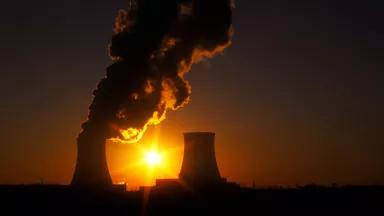
With increasing temperatures already posing threats to many nuclear plants around the world, we are faced with a sobering picture of nuclear energy’s vulnerability to climate change impacts.
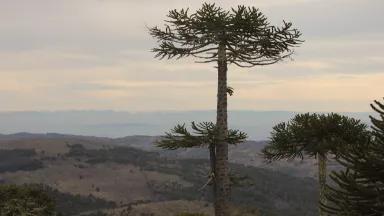
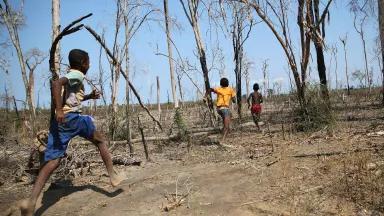
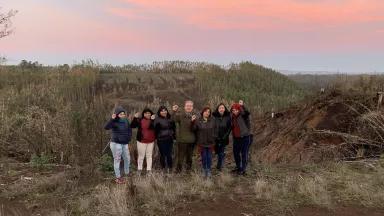
In honor of this year’s United Nations (UN) International Day of the World’s Indigenous Peoples, environmental anthropologist James J. A. Blair revisits ongoing efforts to restore native forests and protect river ecosystems in the Nahuelbuta Mountains, an integral part of…
Expert BlogChina, InternationalJake Schmidt, Alvin Lin
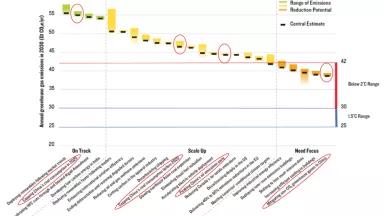
On the sidelines of the G20 meeting in Osaka at the end of June, China and France issued a statement with UN Secretary-General Guterres committing to strengthen their climate targets, or national determined contributions (NDCs), under the Paris Agreement next…
Extending CITES protections to sharks will help safeguard additional shark species threatened by international trade, while strengthening how this international treaty enforces the protection of some of the most important and vulnerable predators that swim our oceans.
The Southeast Side, once an industrial capital, is home to a surprising number of beautiful natural preserves: wetlands, forest, and prairie. In order to protect these threatened habitats, there needs to be a shift to a green industrial corridor.
The Environmental Protection Agency issued a proposed rule today to strip a powerful tool under the Clean Water Act states and tribes have used to prevent federally permitted projects from harming their waterways.
Environmental anthropologist James J. A. Blair revisits ongoing efforts to restore ecosystems in an integral part of the Indigenous Mapuche territory in what is now Chile.